
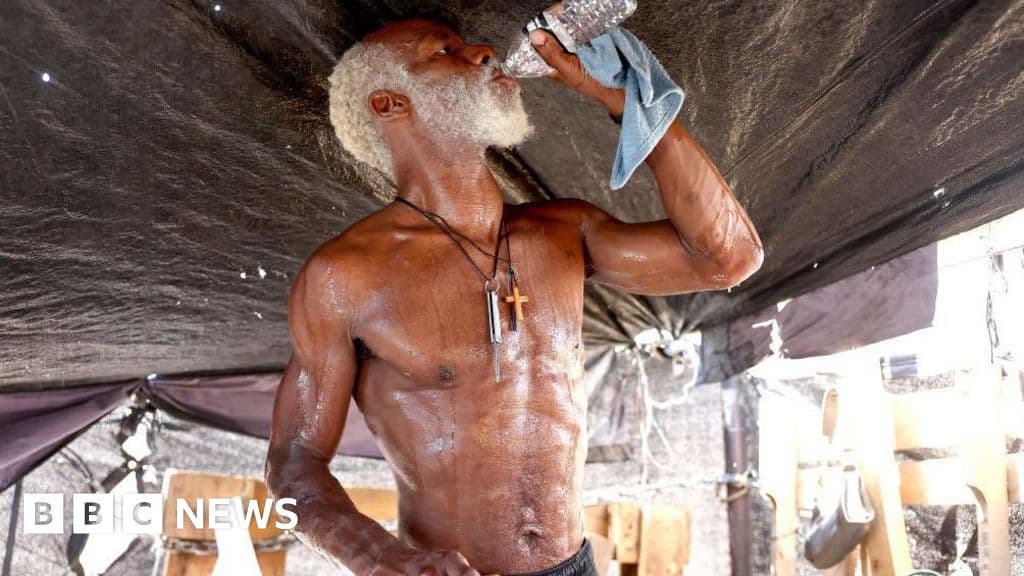
Image: BBC World
A dangerous heatwave is set to impact the southwestern US, with temperatures soaring above 100°F in some areas. What does this mean for residents and the environment?
GlipzoA major heatwave is taking shape across the southwestern United States, expected to bring unseasonably high temperatures to the region starting this week. This weather pattern, which is more characteristic of early summer than mid-March, has forecasters and residents on high alert.
In Phoenix, Arizona, the National Weather Service (NWS) is predicting that temperatures could soar above 100°F (38°C) as soon as Wednesday, marking the earliest occurrence of such heat in almost 40 years. A robust high-pressure system, commonly referred to as a heat dome, is responsible for trapping hot air in the area, resulting in temperatures that are 20-30°F above the seasonal average.
The impending heatwave is set to persist for several days, bringing limited overnight cooling, which will exacerbate the situation. Millions of residents across various states—including California, Nevada, and Arizona—are likely to feel the effects as temperatures climb significantly.
Residents in these areas are urged to take precautions, particularly for vulnerable populations such as the elderly. The NWS office in Las Vegas emphasized the risks associated with this extreme early heat, especially during peak tourist season. “Extreme early-season heat coupled with high tourism rates will make this heat very dangerous, particularly for those unaccustomed to such conditions,” they stated.
Forecasters are warning that this heatwave could be prolonged, with only gradual relief expected by the weekend or early next week. This extended duration raises serious concerns about health risks and the potential for broader environmental impacts.
One of the critical issues at hand is the effect of the heatwave on California's snowpack, which is already below average. The rising temperatures are likely to accelerate snowmelt in the Sierra Nevada, with significant implications for water resources later in the year. The early melting snow decreases the overall water supply available for reservoirs, as about one-third of California's water comes from this snowpack.
The rapid runoff from melting snow also poses an increased risk of summer water shortages, which can lead to more severe drought conditions. This situation heightens the potential for a longer and more intense wildfire season in California and surrounding areas, as landscapes begin to dry out earlier than usual.
However, while the risk of wildfires remains relatively low in the Southwest during this heatwave—due to lighter winds that are not conducive to the rapid spread of fires—conditions differ in other regions. Areas near the Rockies and High Plains face a greater risk due to dry air and parched vegetation, which could ignite flames under persistent breezes.
This early spring heatwave follows a period of recent blizzards and frigid conditions across the Midwest and Great Lakes, alongside heavy storms and tornado threats affecting the East Coast. The contrast in weather patterns highlights the volatile climate conditions currently influencing the United States.
As the week progresses, above-average temperatures are anticipated to spread across much of the country, raising further awareness of the climate fluctuations we are witnessing.
As the heatwave unfolds, residents are advised to stay informed about weather updates and health advisories. It will be critical to monitor the situation as temperatures rise and to prepare for potential impacts on health and local environments. The NWS will continue to provide updates on heat advisories and any necessary precautions residents should take.
Moreover, as we approach the weekend and temperatures finally begin to cool down, it will be essential to evaluate how this early heatwave has affected water resources, wildfire risks, and overall public safety in the affected regions. Understanding these dynamics will be crucial as we head into the summer months, which could be influenced by this uncharacteristic early-season heat.
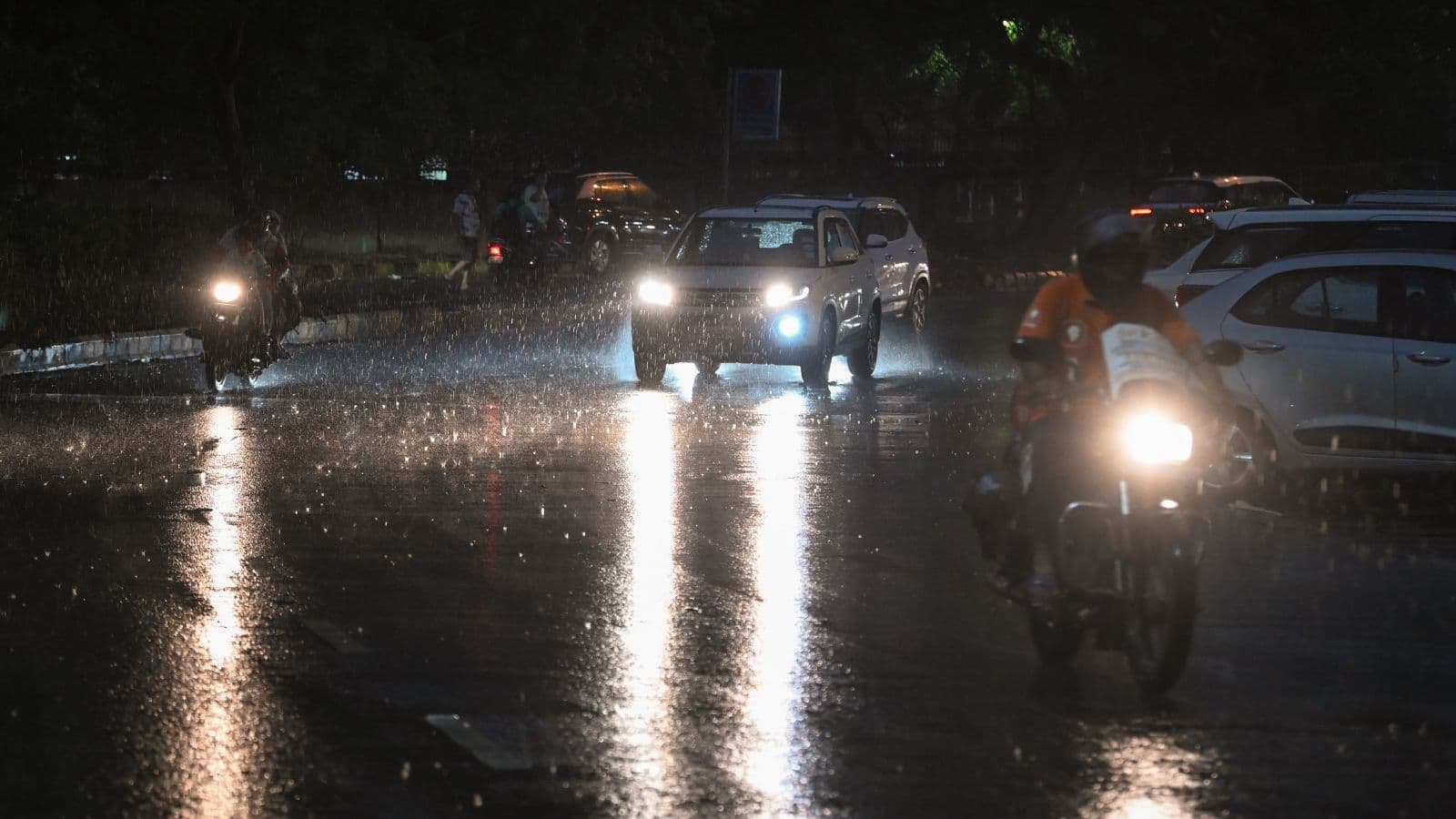
Delhi-NCR experiences thunderstorms bringing temporary relief from heat. What’s next for the city’s weather? Click to find out more!
Indian Express
A critical heatwave continues to impact northwest and central India, with relief expected after May 29. Stay informed for updates on this weather phenomenon.
Indian Express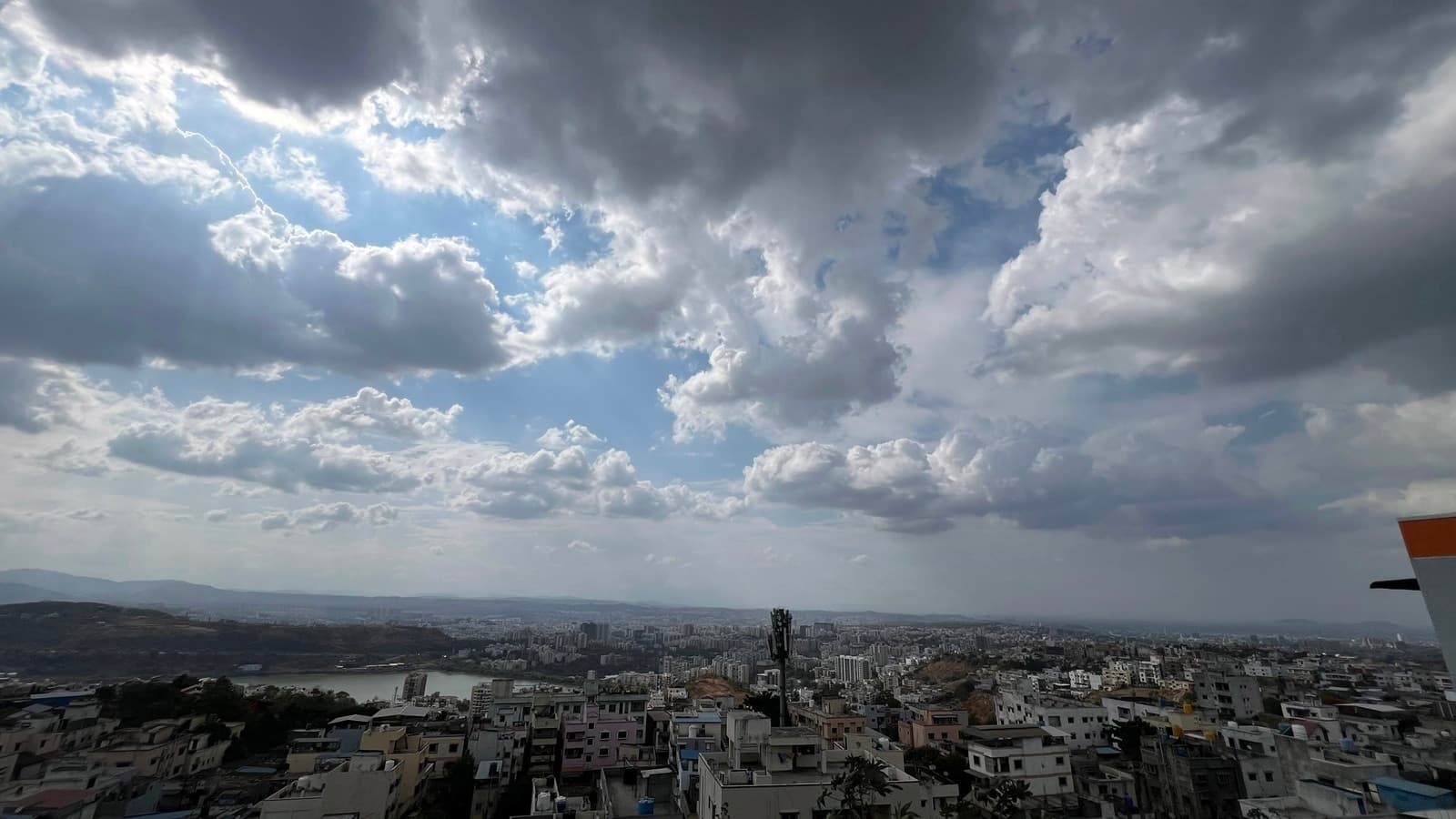
Pune residents can expect a temperature drop and thundershowers next week as Westerly winds bring moisture, offering relief from the recent heatwave.
Indian Express