
Image: The Hindu
Discover how the delivery of crude oil by the tanker ‘Jag Laadki’ to Gujarat highlights India's energy security amid rising West Asia tensions.
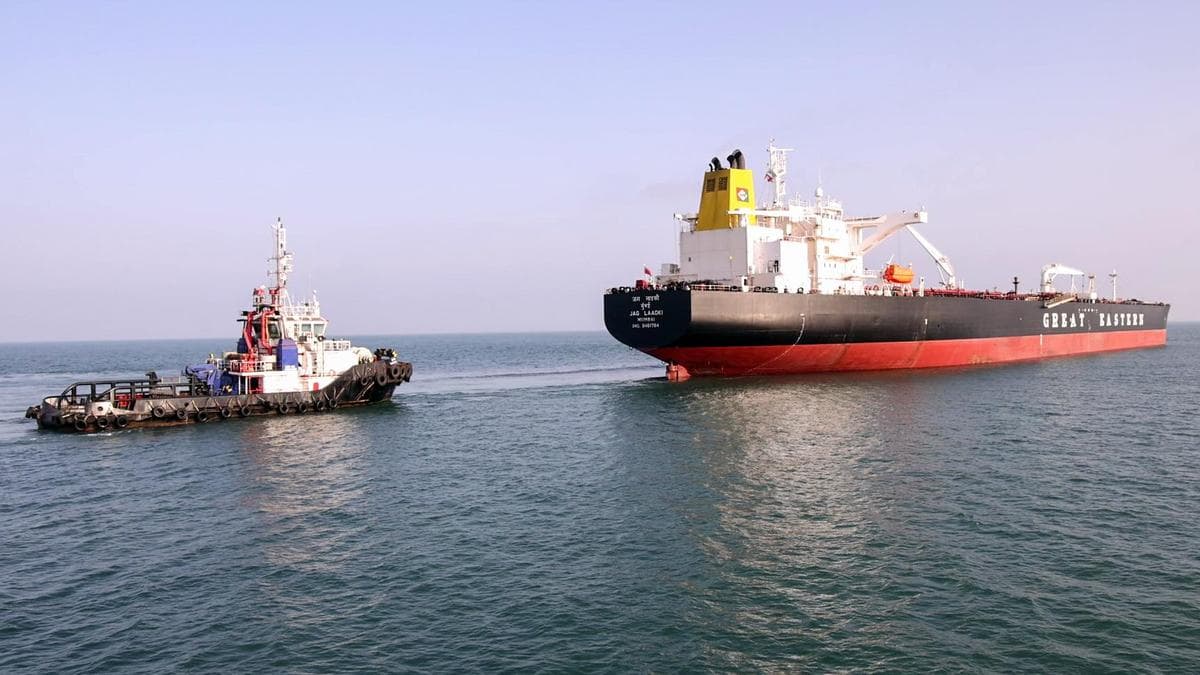
GlipzoOn March 18, 2026, the Indian-flagged tanker ‘Jag Laadki’ successfully docked at Mundra Port in Gujarat, delivering a significant cargo of 80,886 metric tonnes of crude oil sourced from the United Arab Emirates (UAE). This arrival comes at a critical time as tensions rise in the West Asia region, underlining the strategic importance of this shipment for India’s energy needs.
According to officials, the ‘Jag Laadki’ was loaded at Fujairah Port in the UAE, a location currently facing increased hostilities due to the ongoing conflict involving the U.S. and Israel against Iran. The tanker is noteworthy for its size, measuring 274.19 meters in length and 50.04 meters in beam, with a deadweight tonnage of approximately 164,716 tonnes and a gross tonnage of around 84,735 tonnes.
The arrival of ‘Jag Laadki’ at Mundra Port highlights the facility's vital role in facilitating substantial crude imports for India. A statement from Adani Ports, which operates Mundra, emphasized that this shipment is crucial for refineries that depend on consistent crude supply to maintain operations, especially amid supply chain disruptions caused by regional conflicts.
Adani Ports noted, "This delivery supports a major refinery that relies on such shipments to maintain operations and bolster India’s energy security during supply disruptions in the region." The port has effectively ensured the safe berthing and maritime coordination necessary to protect these critical energy lifelines.
The arrival of ‘Jag Laadki’ is not an isolated incident. Just a day prior, the LPG carrier ‘Nanda Devi’ docked at Vadinar Port in Gujarat, transporting 46,500 metric tonnes of liquefied petroleum gas (LPG) through the strategically significant Strait of Hormuz. Another vessel, ‘Shivalik’, also carrying LPG, arrived at Mundra on March 16, 2026. These shipments are part of India's ongoing effort to secure energy supplies amid rising geopolitical tensions.
The ongoing conflict in the region has significantly impacted energy routes, particularly the Strait of Hormuz, which is a critical passage for about 20% of the world’s oil supply. As a result, India, which imports around 88% of its crude oil, finds itself in a precarious position as it navigates these global energy dynamics.
India’s energy landscape has changed dramatically due to the recent geopolitical conflicts. Before the hostilities escalated with the U.S.-Israel strikes on Iran on February 28, India was heavily reliant on Gulf nations for its energy needs. Approximately 50% of its natural gas and 60% of LPG were sourced from these regions, with Saudi Arabia and the UAE being the primary suppliers.
The geopolitical instability has led to a blockade of the Strait of Hormuz, affecting the flow of essential energy supplies. To mitigate these disruptions, India has started to diversify its sources, turning to nations like Russia for crude oil. However, this has not been without challenges, as industrial users have faced reduced gas supplies, and LPG availability has been impacted for commercial establishments such as hotels and restaurants.
The situation surrounding the ‘Jag Laadki’ and similar vessels underscores the fragility of global energy supply chains in the face of conflict. As India grapples with rising energy demands and geopolitical threats, the ability to secure consistent energy imports is paramount for economic stability and growth.
As tensions in West Asia continue to evolve, the focus on securing energy supplies will likely intensify. Observers should watch for further developments regarding maritime security in the Strait of Hormuz and India’s strategic partnerships with alternative oil suppliers. The future of India's energy security will hinge on its ability to navigate these complex geopolitical waters while ensuring that its economic growth remains uninterrupted.
In conclusion, the docking of the ‘Jag Laadki’ at Mundra Port is more than just a logistical achievement; it symbolizes the ongoing struggle for energy security in a world fraught with uncertainty.
As events unfold, India will need to remain vigilant and adaptive to maintain its energy lifelines and ensure stability in its energy sector.
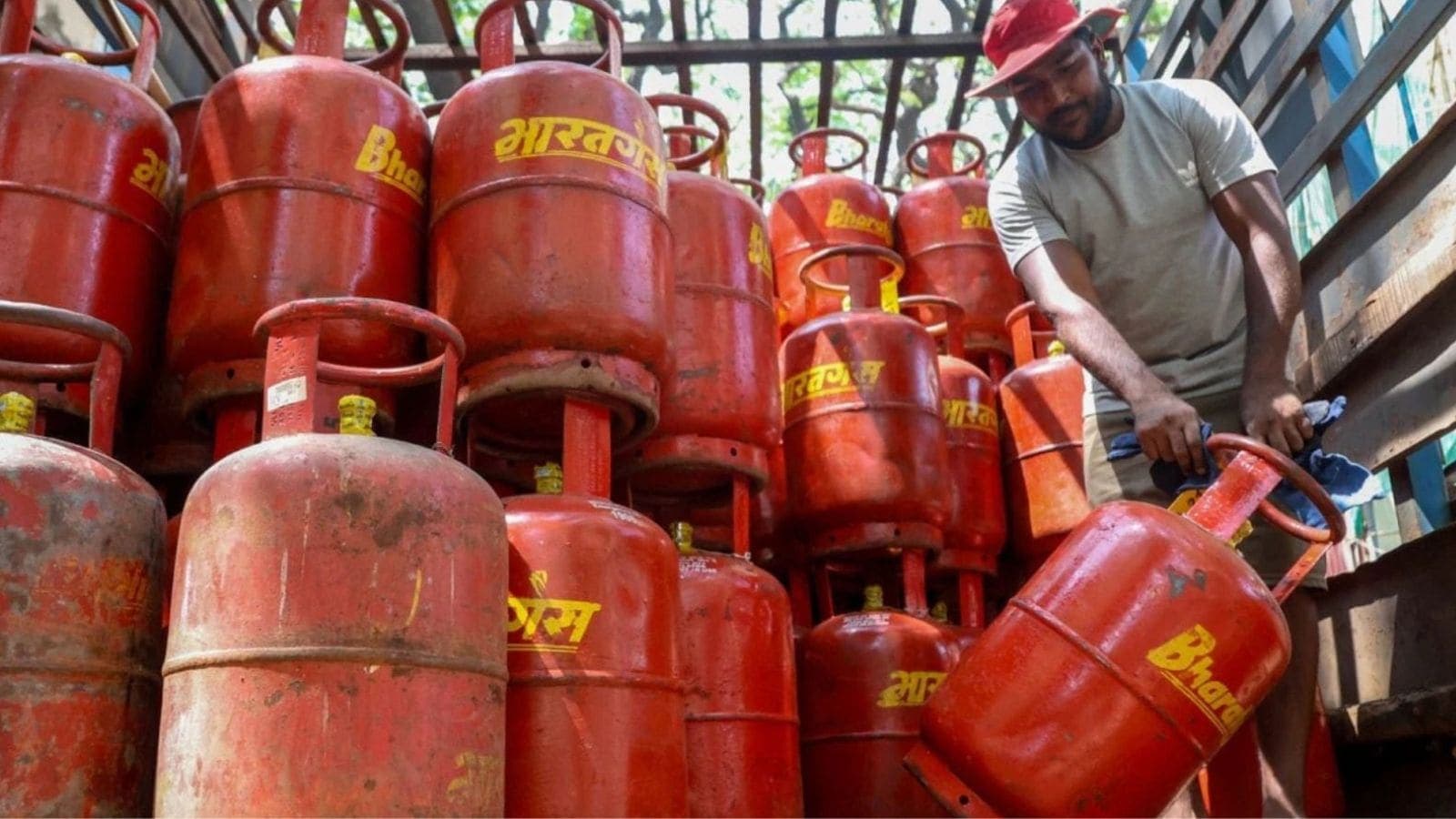
Commercial LPG prices have risen again, with increases of ₹42 in Delhi and ₹53.50 in Kolkata impacting businesses and consumers alike. Find out more.
Indian Express
Discover how a tragic coal mine explosion in Shanxi, China, reveals ongoing safety concerns in the industry amidst a push for green energy.
BBC Business
Montek Singh Ahluwalia highlights key economic challenges for India, emphasizing the need for a strategic approach to balance payments and investment.
Indian Express