
Glipzo
WorldTechnologyBusinessSportsEntertainmentScienceHealthPolitics
Glipzo
WorldTechnologyBusinessSportsEntertainmentScienceHealthPolitics
  1. Home
  2. /
  3. Health
  4. /
  5. Critical Water Crisis: Riwa Village Near Raipur Suffers Again
Critical Water Crisis: Riwa Village Near Raipur Suffers Again

Image: Indian Express

Health
Sunday, May 24, 20265 min read

Critical Water Crisis: Riwa Village Near Raipur Suffers Again

Riwa village near Raipur faces a critical water crisis as summer heat escalates. Discover the impact and proposed solutions to this ongoing issue.

Glipzo News Desk|Source: Indian Express
Share
Glipzo

Key Highlights

  • Riwa village suffers from severe water shortages every summer.
  • Local leaders propose a Rs 5 crore irrigation project to help.
  • Jal Jeevan Mission stats reveal a gap between promises and reality.
  • Community members wait hours for water amid rising temperatures.

In this article

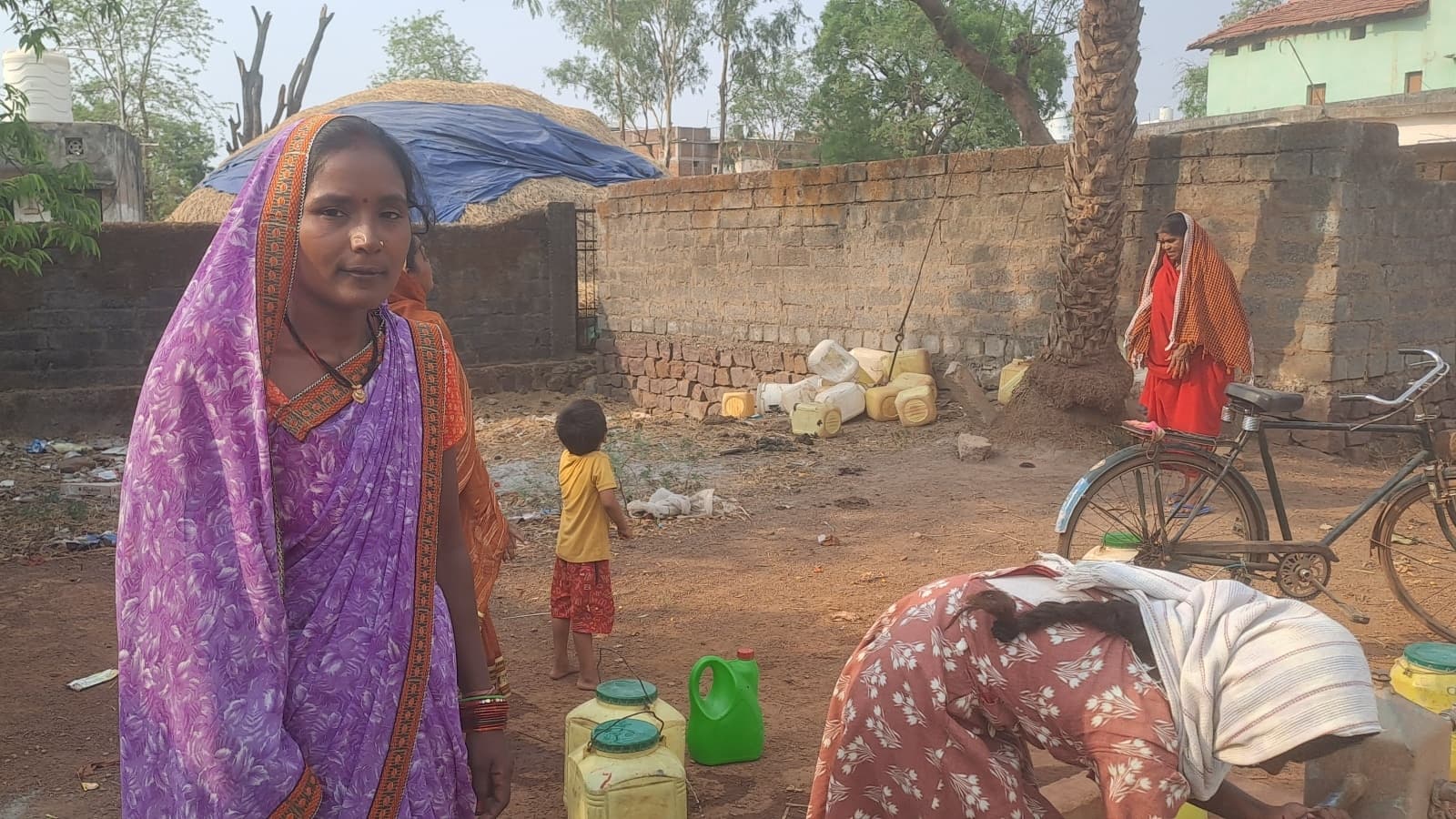
  • A Dire Situation in Riwa Village As the oppressive heat of summer engulfs **Riwa village**, located just outside **Raipur**, the residents face a dire situation: a critical shortage of drinking water. This ongoing crisis has become an annual routine for the villagers, particularly for women like **Sunita Sinha**, who, alongside her mother-in-law and young daughter, stands in a long line waiting for water from a solar-powered pump. With temperatures soaring to **43 degrees Celsius** or higher, the struggle for this essential resource is intensifying.
  • Groundwater Levels in Crisis As the summer heat reaches its peak, **Riwa** finds itself grappling with an acute drinking water shortage, exacerbated by declining groundwater levels. Despite the **Jal Jeevan Mission** (JJM) aiming to provide safe and adequate piped drinking water to rural households, many villagers claim that the reality falls short of official statistics. According to the JJM dashboard, **97.89%** of Raipur's households have tap connections; however, the functionality of these taps is often questionable.
  • Government Response and Future Plans The local government and public representatives have acknowledged the crisis and are proposing solutions. **Guru Khushwant Sahib**, the **MLA** from Arang, shared plans for an irrigation project designed to alleviate the water scarcity in Riwa. He outlined that a **Rs 5 crore** project is in the pipeline to provide water from a nearby dam, which will be stored in an overhead tank and distributed through taps in the village. He assured that the project is progressing and is currently at the **secretary level** of approval.
  • Misleading Statistics and Community Impact While the statistics from the JJM paint a picture of progress, the reality on the ground tells a different story. The Deputy Chief Minister, **Arun Sao**, acknowledged discrepancies in the reported numbers, revealing that only **21 lakh** out of **36 lakh** reported connections were actually functional. This revelation sheds light on the broader issues of accountability and transparency within governmental water supply initiatives.
  • Why It Matters: The Broader Implications The water crisis in Riwa village is not just a local issue; it reflects a larger pattern of water scarcity affecting many rural communities across **Chhattisgarh** and beyond. As climate change intensifies, regions like Riwa may face more prolonged droughts and water shortages, raising questions about the sustainability of current water management practices.
  • What Lies Ahead: Monitoring Future Developments Looking forward, the situation in Riwa underscores the urgent need for effective and sustainable water management policies. Residents and activists will be closely monitoring the government's proposed irrigation project and its implementation, hoping it will provide a lasting solution to the water crisis.

A Dire Situation in Riwa Village As the oppressive heat of summer engulfs **Riwa village**, located just outside **Raipur**, the residents face a dire situation: a critical shortage of drinking water. This ongoing crisis has become an annual routine for the villagers, particularly for women like **Sunita Sinha**, who, alongside her mother-in-law and young daughter, stands in a long line waiting for water from a solar-powered pump. With temperatures soaring to **43 degrees Celsius** or higher, the struggle for this essential resource is intensifying.

For five months each year, the women of Riwa, a village of approximately 5,000 inhabitants, must navigate the challenges of fetching water. They carry several plastic cans back home, often dragging them for around 500 meters. Sunita, 36, expresses her frustration, stating, “On days when there’s no sun, the pump stops working and then there’s no water. It’s the same every year, and nobody does anything to change it.” This sentiment reflects a broader dissatisfaction among villagers, highlighting the systemic issues surrounding water supply in the region.

Groundwater Levels in Crisis As the summer heat reaches its peak, **Riwa** finds itself grappling with an acute drinking water shortage, exacerbated by declining groundwater levels. Despite the **Jal Jeevan Mission** (JJM) aiming to provide safe and adequate piped drinking water to rural households, many villagers claim that the reality falls short of official statistics. According to the JJM dashboard, **97.89%** of Raipur's households have tap connections; however, the functionality of these taps is often questionable.

Ghasiya Ram Sahu, the village sarpanch, highlights a grim reality: “Groundwater levels have been low here for 40 years. As a result, water becomes an issue here from February until the monsoon season in June.” He raises a critical question about the sustainability of water supply solutions, stating that even though taps were installed two years ago, they do not receive any water.

Government Response and Future Plans The local government and public representatives have acknowledged the crisis and are proposing solutions. **Guru Khushwant Sahib**, the **MLA** from Arang, shared plans for an irrigation project designed to alleviate the water scarcity in Riwa. He outlined that a **Rs 5 crore** project is in the pipeline to provide water from a nearby dam, which will be stored in an overhead tank and distributed through taps in the village. He assured that the project is progressing and is currently at the **secretary level** of approval.

In response to the ongoing water crisis, Chhattisgarh Chief Minister Vishnu Deo Sai has made significant efforts to expedite the Jal Jeevan Mission's implementation. Recent data indicates that as of May 22, approximately 83.3% of the state's households had received tap water connections. However, a deeper investigation reveals that only 30% of the villages have been certified as having fully functional tap connections.

Misleading Statistics and Community Impact While the statistics from the JJM paint a picture of progress, the reality on the ground tells a different story. The Deputy Chief Minister, **Arun Sao**, acknowledged discrepancies in the reported numbers, revealing that only **21 lakh** out of **36 lakh** reported connections were actually functional. This revelation sheds light on the broader issues of accountability and transparency within governmental water supply initiatives.

Residents of Riwa face severe challenges during the peak summer months, with 100 borewells and numerous hand pumps running dry. With the village relying on only four solar-powered pumps, the situation is critical. Villagers often find themselves waiting for hours, scrambling for water, and experiencing the harsh reality of their surroundings.

Why It Matters: The Broader Implications The water crisis in Riwa village is not just a local issue; it reflects a larger pattern of water scarcity affecting many rural communities across **Chhattisgarh** and beyond. As climate change intensifies, regions like Riwa may face more prolonged droughts and water shortages, raising questions about the sustainability of current water management practices.

The implications of this crisis extend to public health, agriculture, and overall quality of life for residents. Without adequate water supply, the risk of waterborne diseases increases, impacting vulnerable populations, particularly children and the elderly. Moreover, the economic implications are significant, as farming—a primary source of income for many residents—becomes increasingly difficult without reliable water sources.

What Lies Ahead: Monitoring Future Developments Looking forward, the situation in Riwa underscores the urgent need for effective and sustainable water management policies. Residents and activists will be closely monitoring the government's proposed irrigation project and its implementation, hoping it will provide a lasting solution to the water crisis.

As summer progresses, it is crucial for local authorities to ensure that their initiatives translate into tangible improvements for the community. The residents of Riwa are not just waiting for water; they are waiting for meaningful change that addresses their long-standing grievances. The outcome of these governmental projects may determine whether Riwa can emerge from its cycle of water shortages or continue to face the same struggles year after year.
Did you find this article useful? Share it!

Share

Related Articles

Shocking Maternity Care Failures at Nottingham NHS Trust Revealed
Health
Jun 1, 2026

Shocking Maternity Care Failures at Nottingham NHS Trust Revealed

Shocking findings from Nottingham's maternity unit reveal a toxic culture and alarming neglect. What can be done to improve care? Discover the details.

BBC Health
Major Breakthrough: Daily Pill Doubles Survival for Pancreatic Cancer
Health
Jun 1, 2026

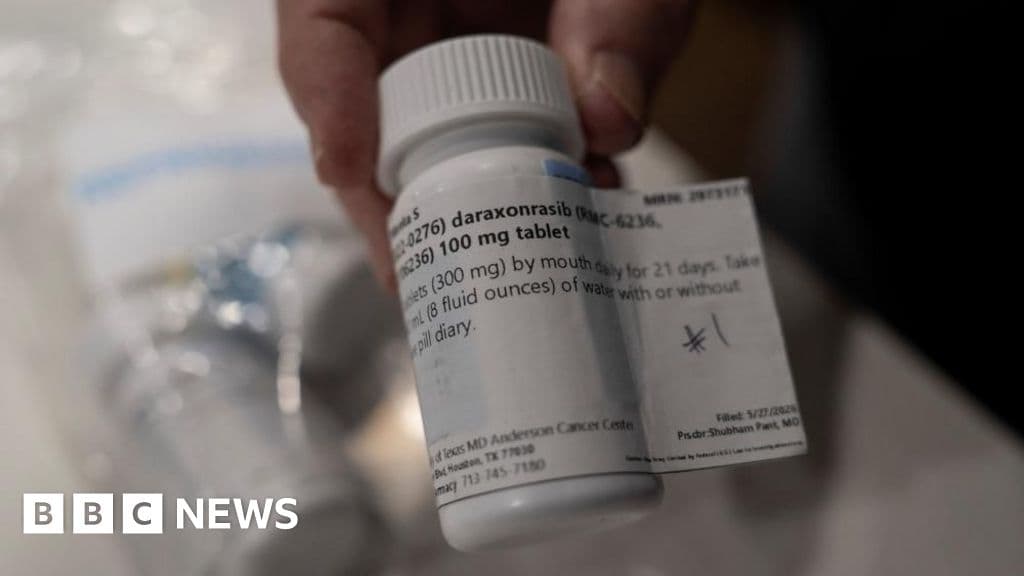
Major Breakthrough: Daily Pill Doubles Survival for Pancreatic Cancer

Discover how daraxonrasib, a new pill, is nearly doubling survival rates for pancreatic cancer patients, offering hope in a challenging battle against this deadly disease.

BBC Health
Waste Firms Propose £5 Deposit on Vapes to Curb Littering
Health
Jun 1, 2026

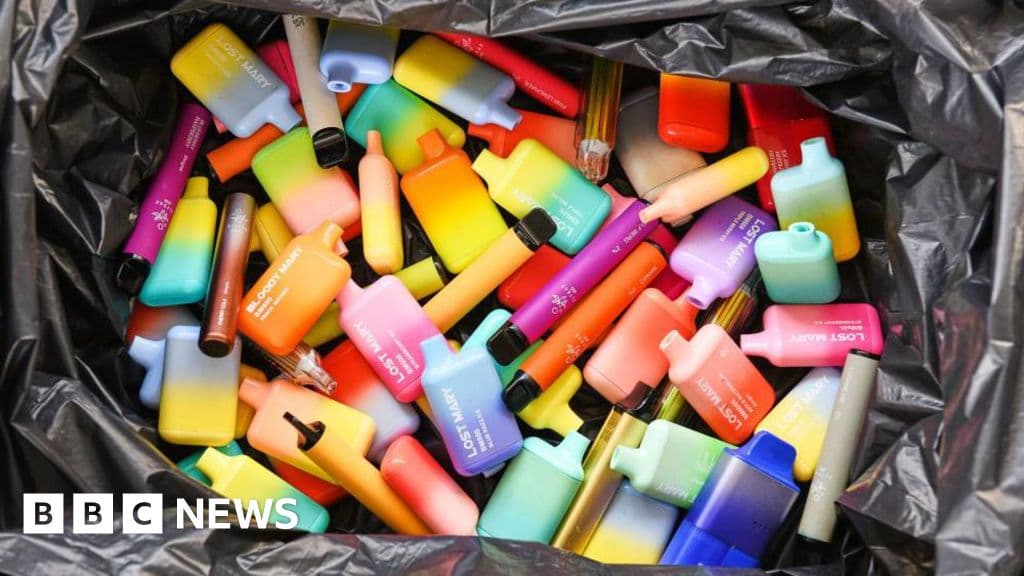
Waste Firms Propose £5 Deposit on Vapes to Curb Littering

Waste companies propose a £5 deposit on vapes to encourage proper disposal and curb littering as the environmental impact of vapes increases.

BBC Business

Categories

  • World
  • Technology
  • Business
  • Sports

More

  • Entertainment
  • Science
  • Health
  • Politics

Explore

  • Web Stories
  • About Us
  • Contact

Legal

  • Privacy Policy
  • Terms of Service
  • Disclaimer

© 2026 Glipzo. All rights reserved.