

Image: The Hindu
LPG bookings in India drop significantly amid geopolitical tensions, while Jaishankar highlights the importance of talks with Iran. Discover more.
GlipzoIn a significant shift, liquefied petroleum gas (LPG) refill bookings in India have dropped to 77 lakh, down from 88.8 lakh previously. This decline suggests a notable easing of panic buying that had gripped the nation amidst geopolitical tensions. The Indian government has reassured citizens that there is no shortage of essential fuels like petrol, diesel, or cooking gas, with supplies remaining stable despite ongoing conflicts in West Asia.
Government updates indicate that all domestic refineries are operating at peak efficiency, maintaining sufficient crude oil inventories to meet national demand. "The country remains self-sufficient in the production of petrol and diesel, requiring no imports of the fuels to meet domestic demand," stated a government spokesperson. Oil marketing companies have confirmed that retail outlets and LPG distributorships are well-stocked, reflecting a consistent supply chain without any reported dry outs.
In a recent interview, Minister of External Affairs S. Jaishankar emphasized the importance of direct talks with Iran, viewing them as the most effective strategy to facilitate the resumption of shipping through the Strait of Hormuz. This vital waterway has become a focal point for international shipping, with its security increasingly jeopardized by regional conflicts. Jaishankar noted, "Talking has yielded some results," suggesting that diplomatic dialogue might pave the way for stabilization in the area.
The backdrop of these discussions is fraught with tension, as Iran has sternly warned nations against getting involved in its disputes with the United States and Israel. Following calls from former President Donald Trump for global powers to escort oil tankers through this strategic chokepoint, Iran's Foreign Minister asserted that they possess "ample evidence" of U.S. bases in neighboring countries being utilized for military operations against them.
In unsettling news from India, the aftermath of a tragic incident in Manipur continues to haunt the region. Nearly three years ago, two women from the Kuki-Zo community were victims of a brutal mob attack, resulting in the deaths of family members. Currently, three of the accused remain at large, while two others are out on bail. A key witness, the husband of one of the victims, expressed deep concerns over the continued freedom of a prime suspect, further complicating an already challenging legal landscape.
As the nation prepares for upcoming Assembly elections in Tamil Nadu, West Bengal, Assam, and Kerala, the Chief Election Commissioner, Gyanesh Kumar, announced that 17.4 crore voters are eligible to participate. With 824 MLAs to be elected and 2.19 lakh polling stations set up across these states and the Union Territory of Puducherry, a robust electoral framework is being put into place. "25 lakh election officials will be on duty to ensure free and fair elections," Kumar emphasized during a press conference.
In a tactical move, the ruling BJP in Odisha has relocated all its MLAs to the port town of Paradip ahead of the Rajya Sabha elections. This shift, following a crucial party meeting, aims to consolidate party efforts and ensure robust voter outreach. Key party figures, including Mohan Charan Majhi and Odisha BJP president Manmohan Samal, were present at the pivotal gathering.
Former External Affairs Minister Salman Khurshid has raised alarms about the growing global conflicts affecting India. During a recent discussion on India's foreign policy, he noted that while the government acknowledges these challenges, it struggles to communicate to its allies the detrimental effects of their actions on India. Khurshid highlighted the ramifications of the Russia-Ukraine conflict, tensions between Iran and Israel, and the situation in Gaza as significant influences on India’s diplomatic landscape.
In a stark commentary on immigration policies, Union Home Minister Amit Shah accused the Congress party of having "legalized, formalized, and normalized" the infiltration of Bangladeshis in Assam. Addressing the BJP's Yuva Shakti Samaroh, he asserted that only the BJP could restore integrity to the region, countering claims that Congress had turned Assam into a "land of infiltrators" during its governance from 2001 to 2014.
As the world watches these unfolding events, the implications for India's domestic policies and international relations are profound. With elections on the horizon, the BJP's strategies will be closely scrutinized, and the effectiveness of diplomatic efforts in stabilizing the region remains to be seen. The evolving scenarios in the Gulf and the domestic political landscape will likely shape India's future engagements both within and beyond its borders.
As tensions simmer and diplomatic discussions continue, the key takeaway is that both domestic and international actions will significantly influence India's trajectory in the coming months.
In an era of uncertainty, what strategies will the Indian government adopt to navigate these complexities? The answer may define not only the future of Indian politics but also India's role on the global stage.
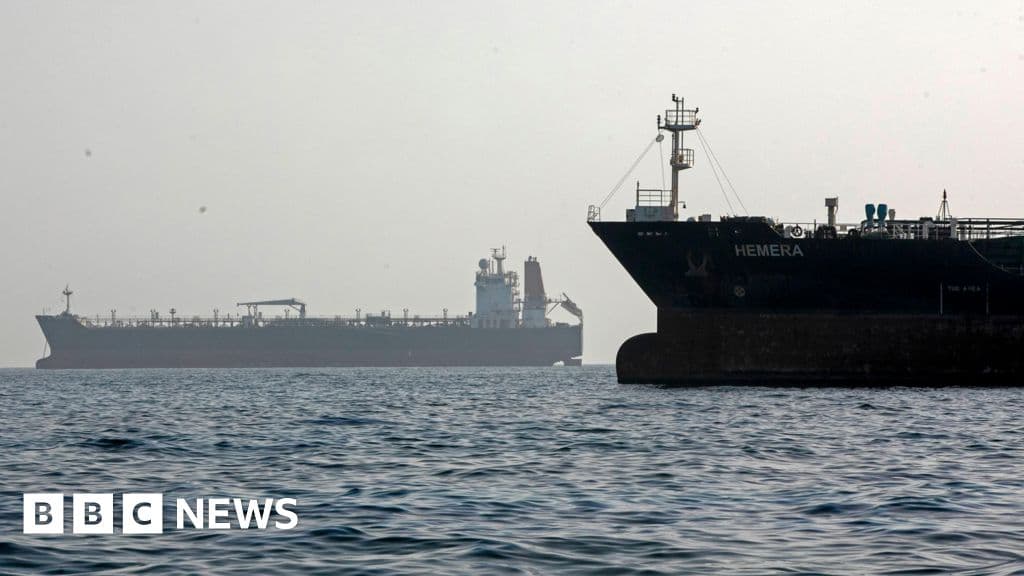
Tensions soar as the US and Iran engage in air strikes near the Strait of Hormuz, raising concerns over global oil supply and regional stability.
BBC World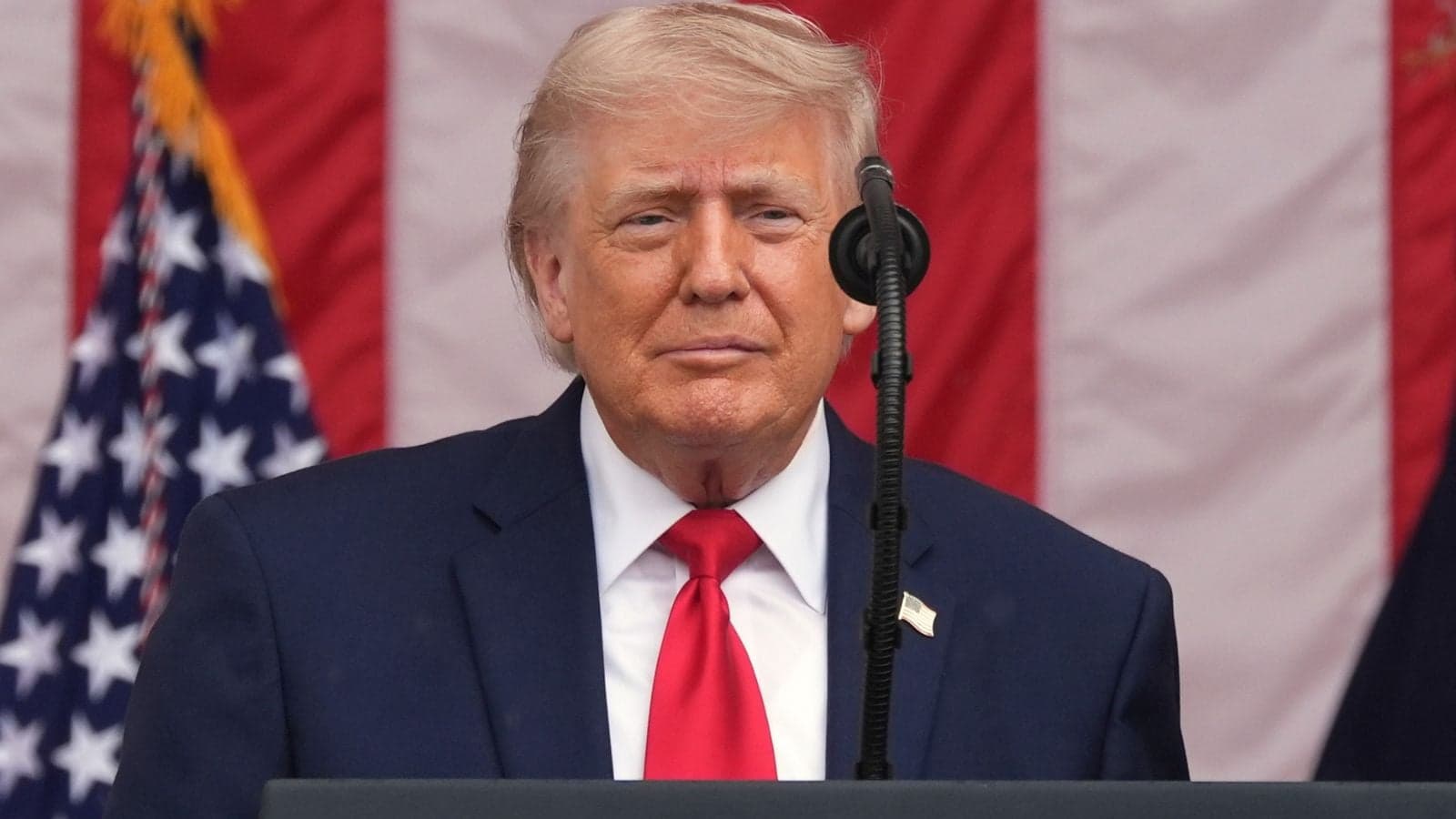
Trump's international interventions face serious stalemates. What will this mean for U.S. foreign policy? Explore the critical challenges ahead.
Indian Express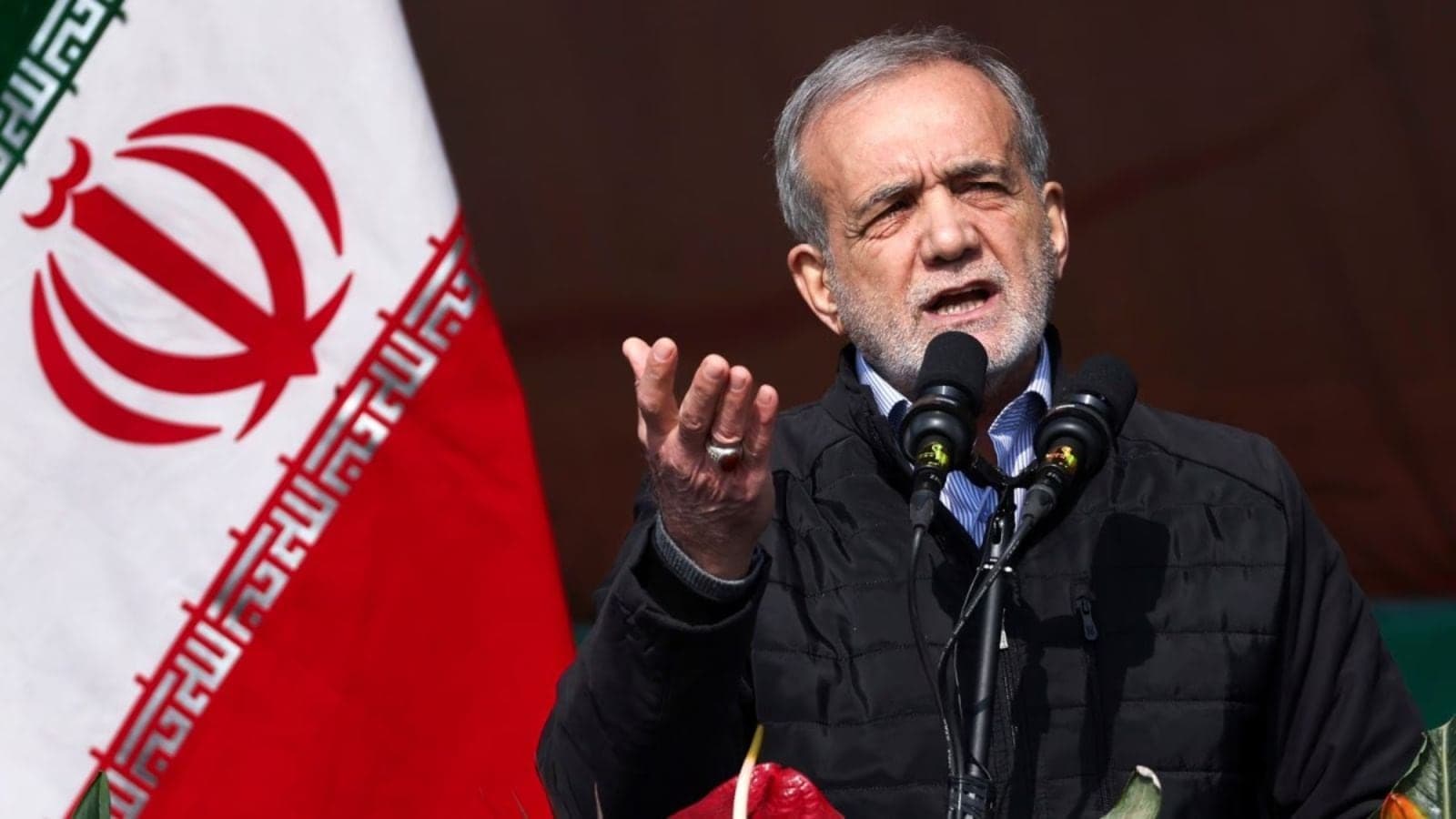
Tehran denies resignation of President Masoud Pezeshkian amid claims of IRGC influence. What does this mean for Iran's political stability? Click to learn more!
Indian Express