
Image: BBC Business
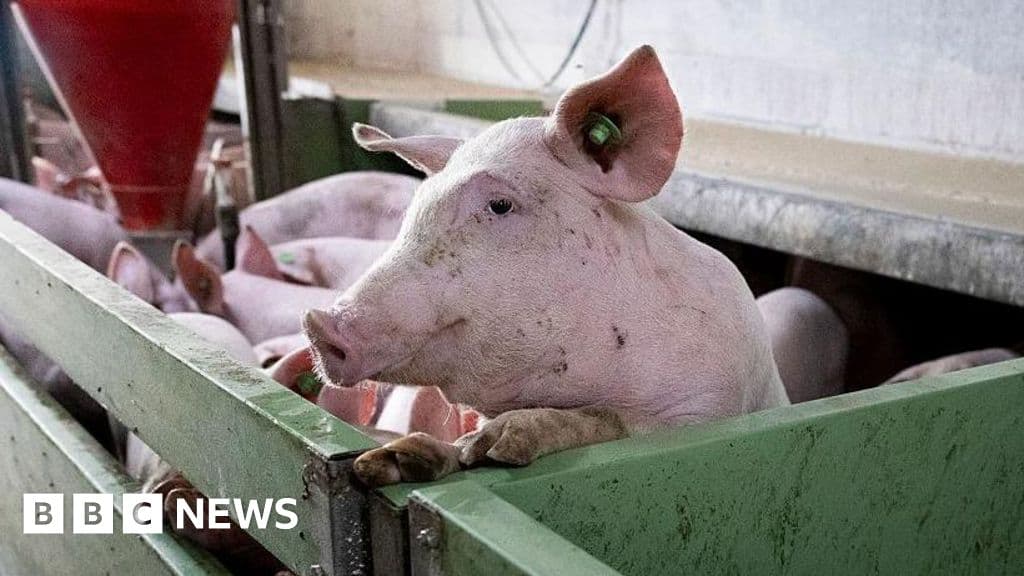
Spain's pork industry faces a critical threat from African Swine Fever, jeopardizing its €25 billion economy. What does this mean for farmers and exports?
GlipzoIn Spain, the expansive pork industry faces a dire threat from the outbreak of African Swine Fever (ASF). The grim news broke late last year when the virus was confirmed within the country, sending ripples of concern throughout the agricultural community. Jordi Saltiveri, a pork farmer in Catalonia's Lleida province, reflects on the impact this discovery has had on his livelihood, stating, "I felt sad, angry, impotent. Once it's known that a country is positive for ASF, other countries will stop importing its pork."
Saltiveri manages a farm that has been passed down through generations and houses 8,000 pigs. Despite being located a considerable distance from the outbreak's epicenter, he, along with many others in Spain’s pork sector, is grappling with the fallout. The virus, while not harmful to humans, is deadly to pigs and wild boars, causing significant economic distress for farmers like Saltiveri, who report losses of €30 to €40 per pig sold.
African Swine Fever is notorious for its rapid transmission among pig populations, making it a critical concern for farmers worldwide. The first confirmed case in Spain was identified in Collserola Park, near Barcelona, where a wild boar carcass tested positive for the virus. This revelation prompted swift action from authorities, who restricted access to the park and initiated efforts to locate additional infected animals.
While the exact origins of the outbreak remain uncertain, initial investigations have dismissed the potential for a leak from an animal research facility nearby. Instead, the ever-growing population of wild boars, which has been linked to the spread of ASF, poses a significant challenge for local authorities.
Òscar Ordeig, Catalonia's Minister for Agriculture, Fisheries, and Food, has emphasized the overpopulation of wild animals contributing to the crisis. With estimates suggesting that between 120,000 and 180,000 wild boars roam the region, the government aims to reduce this number by 50%. So far, 24,000 boars have been culled this year as part of the efforts to control the virus's spread.
The culling operations are highly coordinated, focusing on a 6km radius surrounding the initial ASF cases, classified as high-risk zones. A 20km radius is designated as a low-risk area, with measures in place to monitor and mitigate the movement of wild boars effectively. The local police employ various methods for culling, including net traps and silenced firearms, all while ensuring biosecurity protocols are strictly followed.
Authorities are committed to extreme biosecurity measures to protect the thriving pork industry, which has grown to a staggering €25 billion valuation, making Spain the largest pork producer in Europe. However, the detection of ASF has dire consequences; countries such as Brazil, Japan, Mexico, South Africa, and the United States have halted their imports of Spanish pork.
European Union members, as well as China and the UK, have implemented more localized bans, restricting imports only to the affected northeastern regions of Spain.
The ramifications of ASF extend beyond just immediate losses in pork sales. The sudden drop in international demand places additional strain on Spain's farming community, which has been a cornerstone of the nation’s economy. Farmers like Saltiveri worry about the long-term effects on their operations, with many facing significant economic uncertainty.
The Spanish government, aware of the stakes, has reiterated its commitment to utilizing all available resources to protect the agricultural sector from this crisis. As Ordeig stated, "We have to use all the resources available to defend our industry, our economy, our farming sector and farmers. There is a lot at stake here."
As Spain continues to battle this outbreak of African Swine Fever, the future of its pork industry hangs in the balance. The government’s efforts to control the wild boar population and enforce strict biosecurity measures are crucial steps in safeguarding the sector. However, the ongoing restrictions on exports and the potential for further spread of the virus could lead to lasting economic repercussions.
What to watch for in the coming months: - Updates on the effectiveness of culling strategies and biosecurity measures - Potential changes in international trade policies regarding Spanish pork - The long-term impact on local farmers and the agricultural economy in Spain
The situation remains fluid, and as the Spanish pork industry grapples with this unprecedented challenge, the focus will be on recovery and resilience. The outcome of these efforts could reshape the future of pork production in Spain and beyond, highlighting the interconnectedness of agriculture and global market dynamics.
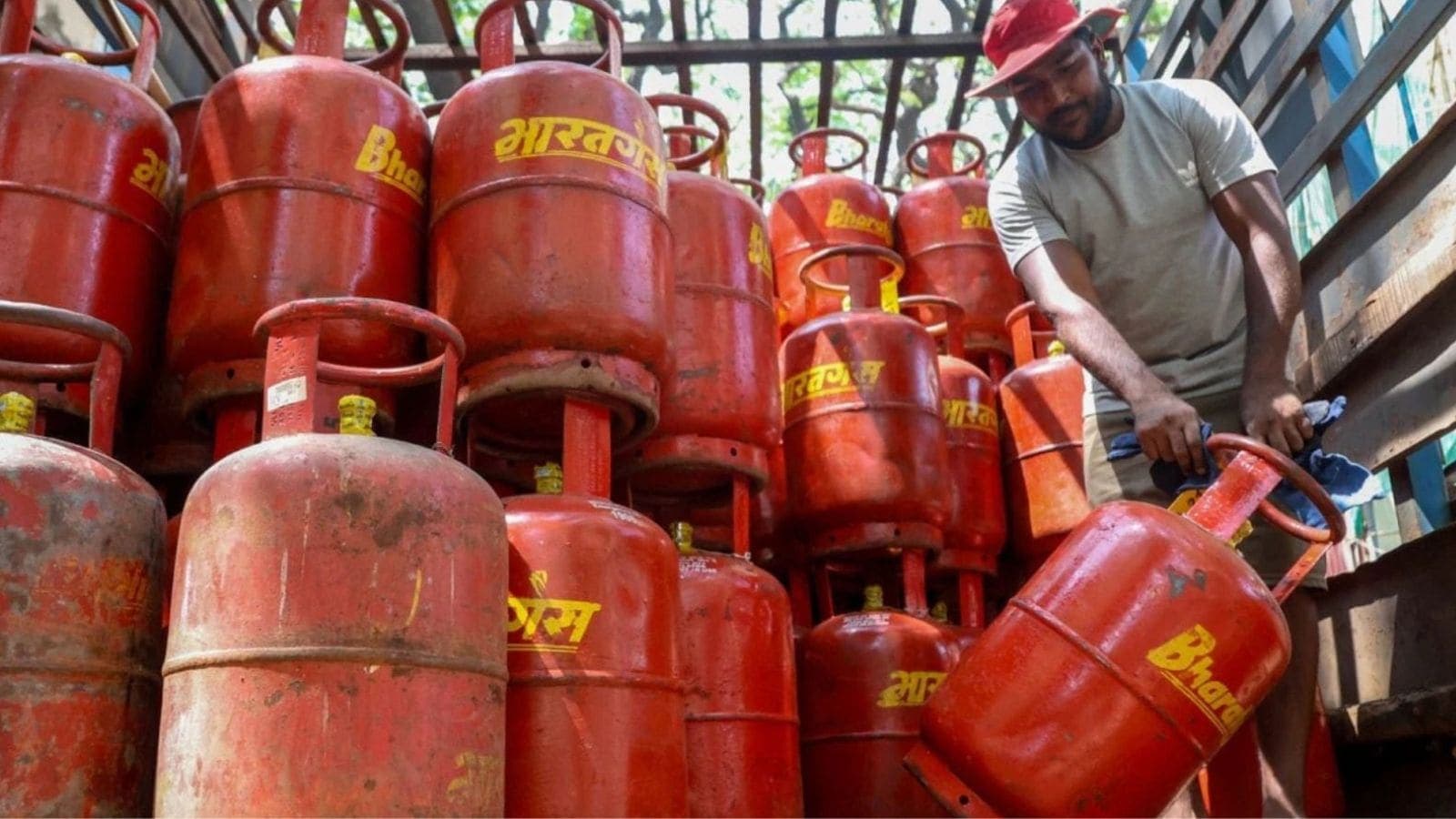
Commercial LPG prices have risen again, with increases of ₹42 in Delhi and ₹53.50 in Kolkata impacting businesses and consumers alike. Find out more.
Indian Express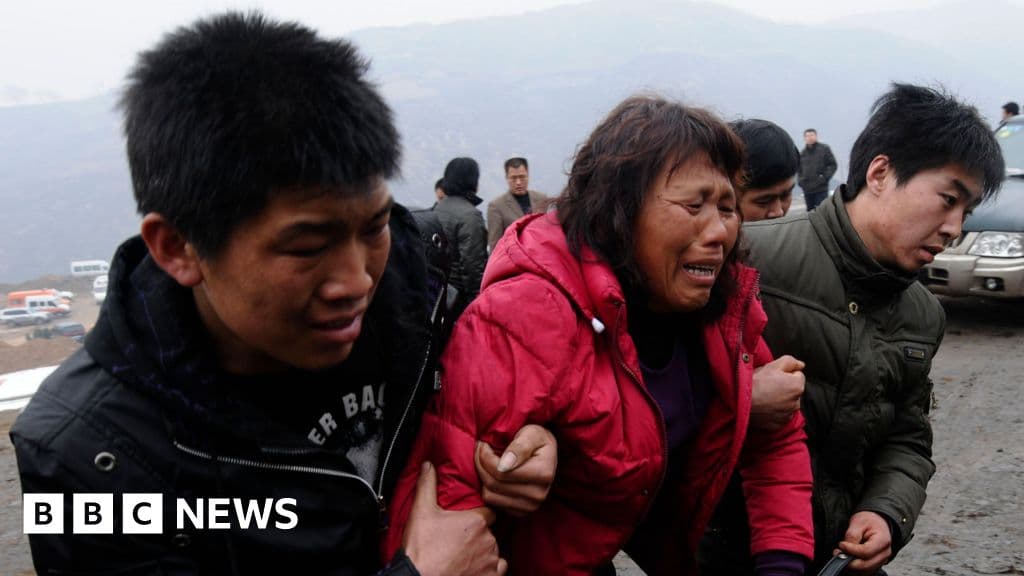
Discover how a tragic coal mine explosion in Shanxi, China, reveals ongoing safety concerns in the industry amidst a push for green energy.
BBC Business
Montek Singh Ahluwalia highlights key economic challenges for India, emphasizing the need for a strategic approach to balance payments and investment.
Indian Express