
Image: BBC World
Explore the critical sticking points in US-Iran talks, from military tensions to nuclear ambitions, and what it means for global diplomacy.
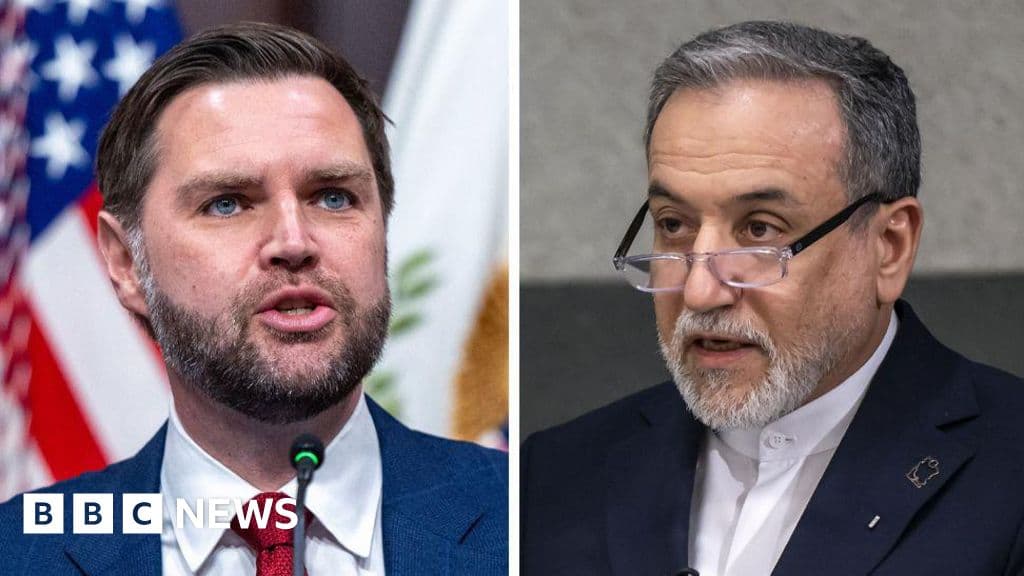
GlipzoTensions are mounting as US-Iran negotiations unfold in Pakistan, with both sides preparing for what could be pivotal discussions. The venue is set, security measures are in place, and local officials are expressing optimism about their unique position as trusted mediators. Vice President JD Vance, leading the US delegation, has signaled a willingness to engage in constructive dialogue. "If the Iranians are willing to negotiate in good faith," he stated, "we're certainly willing to extend the open hand." However, he also cautioned that any attempts by Iran to manipulate the situation would not be met with leniency.
Despite the hopeful tone, the challenges facing these talks are substantial. One of the most pressing issues is Israel's military operations against Hezbollah, Iran's ally in Lebanon. President Masoud Pezeshkian of Iran has explicitly linked Israel's actions to the potential success of the negotiations, stating, "The continuation of these actions will render negotiations meaningless." He emphasized Iran's commitment to its Lebanese partners, indicating that military provocations could derail diplomatic efforts before they even begin.
In response, Israeli Prime Minister Benjamin Netanyahu has dismissed calls for a ceasefire, insisting there will be no pause in operations against Hezbollah. Additionally, former President Donald Trump has commented on the situation, indicating that Israel's military approach might be adjusted but remains vigilant.
Another significant hurdle is the Strait of Hormuz, a strategic waterway crucial for global oil shipments. Trump has criticized Iran for its handling of shipping in this vital passage, claiming that Iran is not upholding its commitments. As it stands, very few vessels are able to transit through the Strait, with numerous ships and thousands of seafarers stranded in the Gulf.
Iran's recent declaration of sovereignty over the Strait has added another layer of complexity. The country has introduced new transit routes while warning of potential threats to maritime safety, including anti-ship mines. This has raised alarms among shipping companies, and some reports suggest that vessels are facing hefty tolls to navigate the area — a situation Trump has condemned as unacceptable.
Perhaps the most contentious issue in the US-Iran discussions is the nuclear program. Trump has launched Operation Epic Fury to ensure that Iran is prevented from developing nuclear weapons. Conversely, Iran has consistently maintained that it has no intention of pursuing a nuclear bomb, although many Western nations remain skeptical of these claims.
As a signatory to the Nuclear Non-Proliferation Treaty, Iran asserts its right to enrich uranium for peaceful purposes. Its 10-point proposal during the negotiations calls for international acknowledgment of these enrichment rights, which Trump has met with a competing 15-point plan demanding an end to all uranium enrichment on Iranian soil.
The complexity surrounding nuclear discussions is further intensified by the Joint Comprehensive Plan of Action (JCPOA), which took years to negotiate and addressed numerous concerns regarding Iran's nuclear ambitions in detail. Given this history, the question remains: Are both sides ready to engage in meaningful discussions towards a new agreement?
The intricate web of Iran’s regional alliances, including Hezbollah in Lebanon and the Houthis in Yemen, adds yet another layer of complexity to the negotiations. These relationships have implications for regional stability and US interests, making it challenging for both parties to navigate their discussions effectively. Iran's support for these groups has historically been a major sticking point for the US and its allies, complicating any potential agreements.
In light of these multifaceted challenges, the upcoming US-Iran negotiations in Pakistan are poised to be a significant test of diplomacy. The stakes are high, not just for the involved nations but for global stability as well. As both sides prepare to address these critical sticking points, observers will be watching closely to see whether any progress can be made.
Why It Matters: The outcome of these talks could reshape not only US-Iran relations but also influence broader geopolitical dynamics in the Middle East. The world is keenly interested in how these discussions unfold and whether a new framework for cooperation can emerge from the existing tensions.
As the situation develops, key issues to monitor include: - The impact of Israeli military actions on negotiations - Iran's commitment to shipping security in the Strait of Hormuz - The nuclear enrichment debate and its implications for the JCPOA - Regional alliances and their influence on the talks
The next few weeks will be critical in determining the trajectory of US-Iran relations and the possibility of a more stable regional framework.

Tensions soar as the US and Iran engage in air strikes near the Strait of Hormuz, raising concerns over global oil supply and regional stability.
BBC World
Trump's international interventions face serious stalemates. What will this mean for U.S. foreign policy? Explore the critical challenges ahead.
Indian Express
Tehran denies resignation of President Masoud Pezeshkian amid claims of IRGC influence. What does this mean for Iran's political stability? Click to learn more!
Indian Express