

Image: The Hindu
Why is pension planning critical today? Discover the urgent need for retirement strategies in India and the consequences of delay.
GlipzoIn the past, retirement in India was often seen as a collective responsibility, primarily managed by government pensions or the support of extended families. However, this paradigm has shifted dramatically. As of March 16, 2026, the onus of ensuring financial security during retirement has now landed firmly on the shoulders of individuals and their families. The stakes are high; failing to plan for retirement can lead to dire financial consequences.
The stark truth is that in contemporary India, advancing in age without adequate financial preparation is a risk that many households can no longer afford to take. As societal structures evolve, it is becoming increasingly clear that pension planning is not just advisable; it is essential.
India has made strides in financial inclusion, with a large percentage of the population holding bank accounts and an increasing interest in market-linked retirement products. Yet, despite these advancements, the safety net for pensions remains alarmingly thin. Recent studies indicate that formal retirement schemes like the Employees' Provident Fund Organization (EPFO), National Pension System (NPS), and Atal Pension Yojana together cover less than 25% of the workforce. This reveals a significant gap wherein the majority of working individuals are either inadequately prepared or entirely unprepared for retirement.
While over 78% of Indian adults have access to banking services, a mere 14% engage in any formal pension or retirement scheme. This disparity highlights a critical issue in the financial landscape of the nation: even as financial tools become more accessible, many are still unaware or unable to participate in effective retirement planning.
Interestingly, the organized pension ecosystem is evolving. By the end of December 2025, the NPS boasted over 2.1 crore subscribers and an impressive asset base exceeding ₹16 lakh crore. This growth signals a positive trend towards adopting market-linked retirement savings. However, despite this progress, the sheer scale of the gap in pension coverage looms large.
The harsh reality is that delays in retirement planning can have severe financial implications. For instance, if an individual aspires to accumulate a retirement corpus of ₹5 crore by the age of 60, expecting a long-term return of 12%, the required monthly investment varies dramatically based on when they start. - Starting at age 30: Monthly investment needed is ₹16,229. - Starting at age 40: Monthly investment jumps to ₹54,357. - Starting at age 50: Monthly investment skyrockets to approximately ₹2.23 lakh.
These numbers paint a stark picture: the longer one waits, the heavier the financial burden becomes. This delay in planning serves as a hidden tax on future financial stability, underscoring the importance of early action.
Several developments are influencing the retirement landscape in India, making traditional safety nets insufficient.
1. Increasing Life Expectancy: With life expectancy on the rise, many individuals can expect to spend 25 to 30 years in retirement, necessitating a more robust financial plan. 2. Changing Employment Patterns: The rise of gig work, self-employment, and informal job arrangements often lack built-in retirement benefits, leaving many workers vulnerable. 3. Evolving Family Structures: The age-old assumption that children will support their aging parents is becoming less reliable, especially in urban environments. 4. Inflation Impact: Rising inflation continually erodes purchasing power, meaning that what may seem like a comfortable retirement fund today could be woefully inadequate in the future.
These shifts illustrate a crucial point: pension planning is no longer a luxury; it is a foundational element of financial planning.
On a positive note, the retirement landscape in India is becoming increasingly sophisticated and accessible. Market-linked retirement solutions, like the National Pension System, are on the rise due to their potential for long-term growth and the structured approach to saving. The rapid increase in NPS assets reflects this behavioral shift among investors.
These market-linked products are particularly vital because traditional retirement strategies may struggle to keep pace with long-term inflation. Young investors, in particular, stand to benefit from these innovative solutions, which promise not only security but also the possibility of growth in their retirement savings.
The urgency of addressing retirement planning cannot be overstated. As India continues to urbanize and its demographic makeup shifts, the financial security of future generations hangs in the balance. Proactive pension planning is essential not just for individual financial health but also for the economic stability of the nation as a whole.
As we move forward, the focus must shift towards educating the population about the importance of retirement planning. Policymakers, financial institutions, and educators need to collaborate to create awareness and accessibility around pension solutions.
Individuals must also take the initiative to engage with their financial futures. The message is clear: start planning now. The cost of delay is not just a financial figure; it represents a significant risk to one's quality of life in retirement. The time to act is now, before it’s too late.
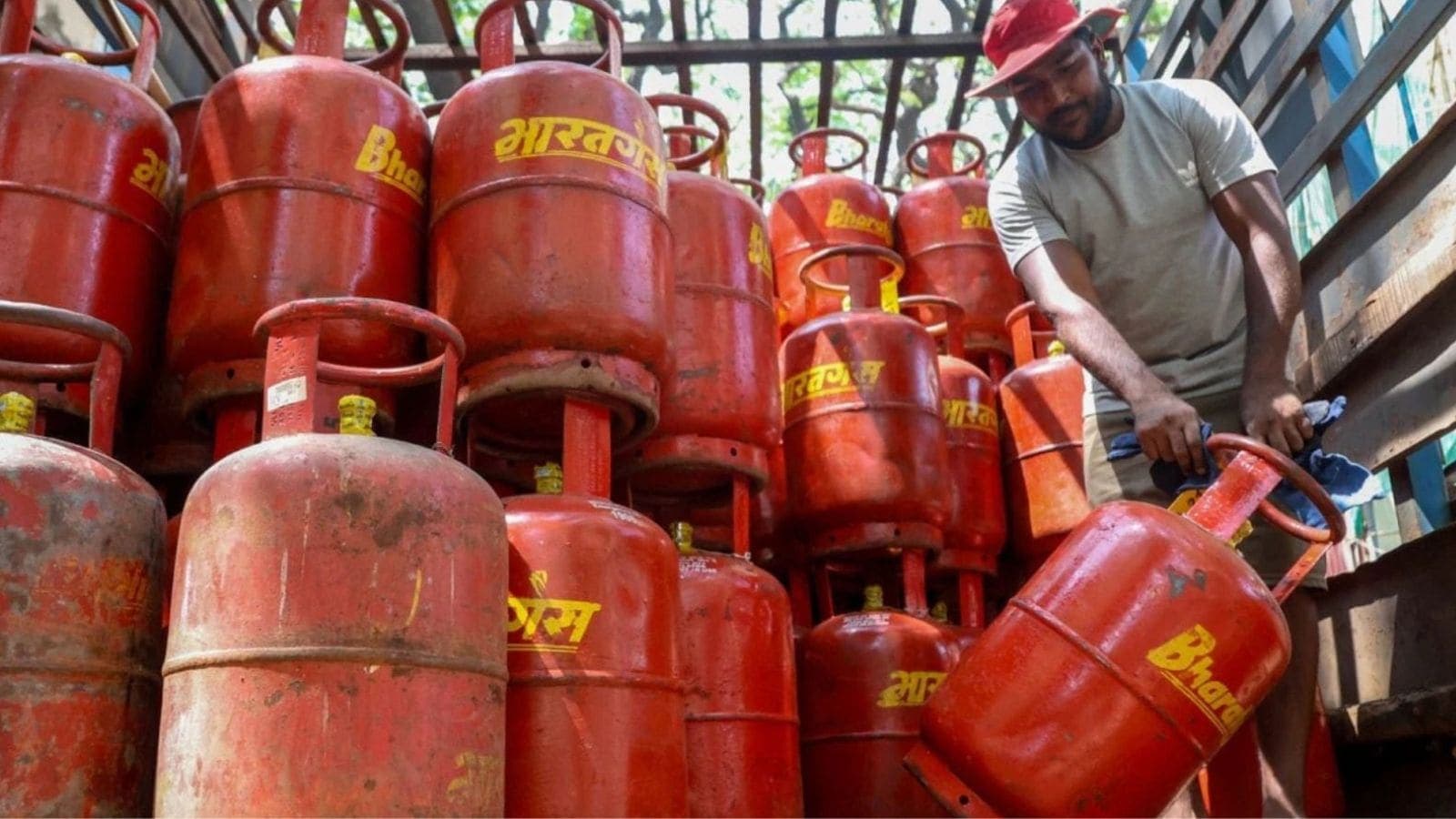
Commercial LPG prices have risen again, with increases of ₹42 in Delhi and ₹53.50 in Kolkata impacting businesses and consumers alike. Find out more.
Indian Express
Discover how a tragic coal mine explosion in Shanxi, China, reveals ongoing safety concerns in the industry amidst a push for green energy.
BBC Business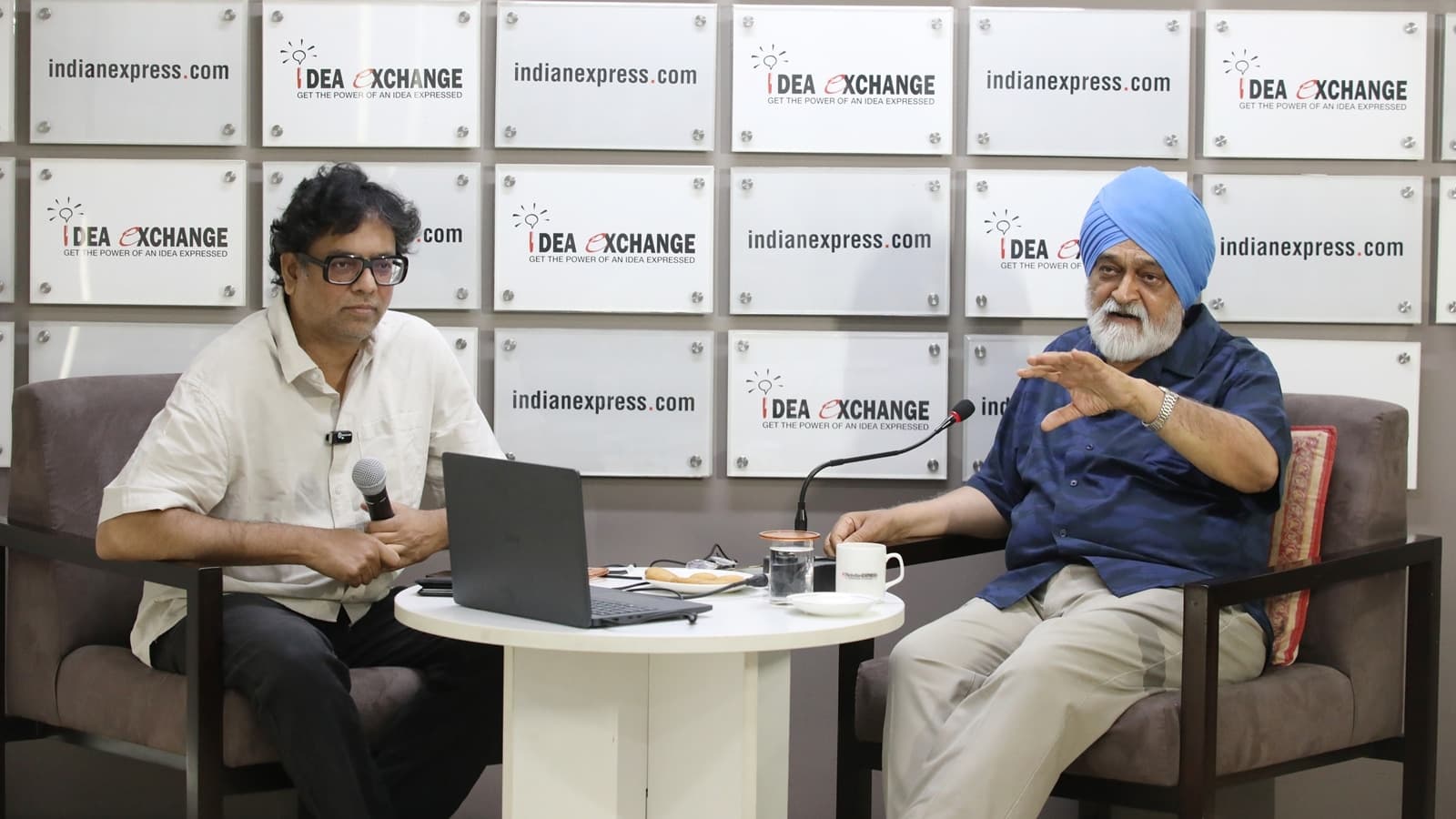
Montek Singh Ahluwalia highlights key economic challenges for India, emphasizing the need for a strategic approach to balance payments and investment.
Indian Express