
Image: BBC Business
Rising farming costs due to the Iran conflict threaten UK food prices. What does this mean for farmers and consumers moving forward?
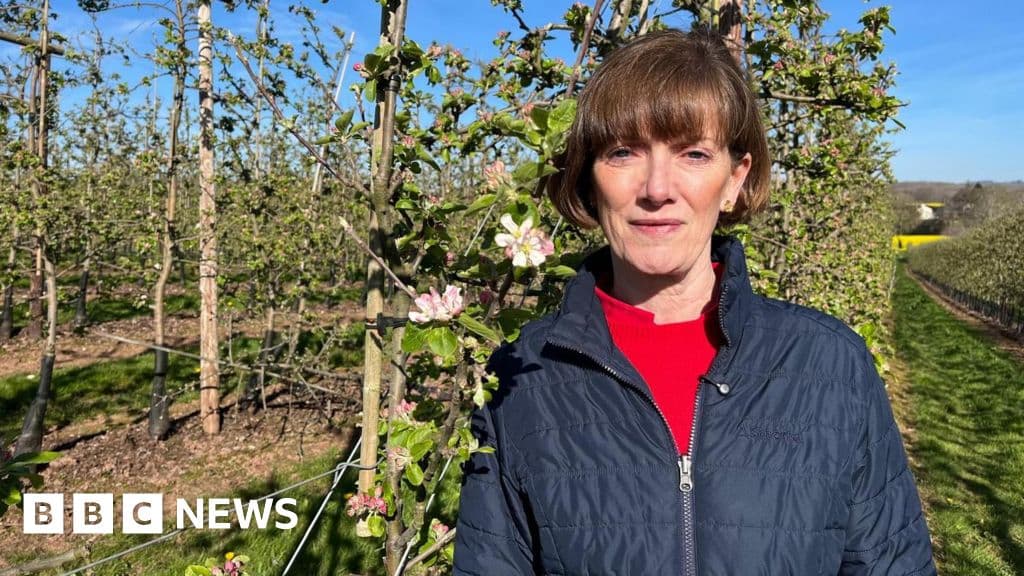
GlipzoWhen Ali Capper, a prominent fruit grower, awoke to the alarming news of war in Iran, she felt an overwhelming sense of dread for the UK farming industry. As the world watches the conflict unfold, farmers are in the midst of peak planting season, grappling with soaring costs that threaten their operations and the price of food for consumers.
The ongoing war has triggered significant price increases in essential resources like fuel and fertiliser. With a recent announcement of a two-week ceasefire intended to quell the violence, it is clear that the damage has already been done for this growing season. Capper, who represents British apple and pear growers, remarked, "Sadly, even if it all ends tomorrow, the costs are baked in now."
Recent data reveals that inflation for farm running costs has surged by over 7% when comparing March figures from this year to last year. This alarming statistic comes from The Andersons Centre, a consultancy known for its insights into agricultural economics. Their analysis indicates that the farming sector is experiencing what they term another "cost of farming squeeze."
Farmers across the UK have voiced their concerns to the National Farmers Union, stating that the surging costs are unsustainable and will inevitably lead to higher food prices. Here’s how the numbers break down: - Fertiliser costs have seen a staggering rise of 40%. - The price of red diesel, essential for agricultural machinery, has doubled, soaring by 100%. - Transportation costs have climbed by approximately 20%.
These increases are largely attributed to the fact that a third of the world’s fertiliser typically transits through the Strait of Hormuz, which has been effectively blocked due to the ongoing conflict. The Brent crude oil prices, serving as the global benchmark, have also skyrocketed, further exacerbating the situation.
As these costs rise, they directly influence the overall expenses associated with food production. The Food and Drink Federation has projected that UK food inflation could reach at least 9% by the end of this year, even if the conflict resolves promptly. Ali Capper is also bracing for additional increases related to plant protection products and packaging materials.
"We will have to pass this on," Capper mentioned, emphasizing the role of supermarkets in determining how much of these costs will reach consumers. The apple and pear sector has already been grappling with a 30% increase in production costs over the last two years, primarily due to the repercussions of Russia's invasion of Ukraine.
The specter of financial ruin looms large for many farmers. Capper recalls the devastating impact of the previous conflict, where numerous farmers either went out of business or operated at a loss. "We can't go there again. There's no flex in the system," she lamented.
Ben Savidge, a potato farmer from Ross-on-Wye, Herefordshire, has also felt the pinch. Currently, the cost of red diesel has surged to between 96p and £1.05 per litre, a significant leap from the 65-70p per litre he was paying last December. This escalation means that the cost to plant potatoes could rise by about £5 per tonne due to these fuel prices.
Savidge, who had locked in contracts with customers earlier this year, is now absorbing these increased costs while hoping to negotiate better prices down the line. He shared his frustrations regarding last year’s drought, which drastically affected yields, compounding the challenges he faces today.
Patrick Crehan, who oversees fuel purchases for a consortium of 3,500 farmers, noted a dramatic rise in fuel prices, jumping from around 70p to 130p per litre just before the ceasefire announcement. Although there has been a slight decrease in prices since, many farmers are feeling disheartened, with some doubting their ability to profit from their crops this year.
As the situation develops, the agricultural community is left with several pressing questions: Will prices stabilize? How will farmers adapt to these new economic realities? The coming weeks will be crucial as farmers navigate these challenges while trying to maintain production levels.
The implications of rising farming costs extend beyond the agricultural sector; they could result in increased food prices across the board, affecting consumers and potentially leading to food insecurity. With global supply chains already under strain, the need for stability in the farming sector has never been more pressing.
Farmers are now left hoping for favorable conditions while preparing for a difficult season ahead. As they grapple with rising expenses, it is evident that the outcomes of both the conflict in Iran and their response to these financial pressures will shape the future of food production in the UK. The agricultural sector's resilience will be tested, and consumers will be watching closely as prices inevitably rise.
The future of the farming industry hinges on a few critical factors, such as the duration of the Iran conflict and the global response to rising fuel prices. Observers will need to monitor how these elements influence food production costs and, consequently, consumer prices in the coming months. Will farmers find ways to adapt, or will we see a continued cycle of price increases? Only time will tell, but one thing is certain: the repercussions of the Iran conflict will be felt long after the headlines fade.
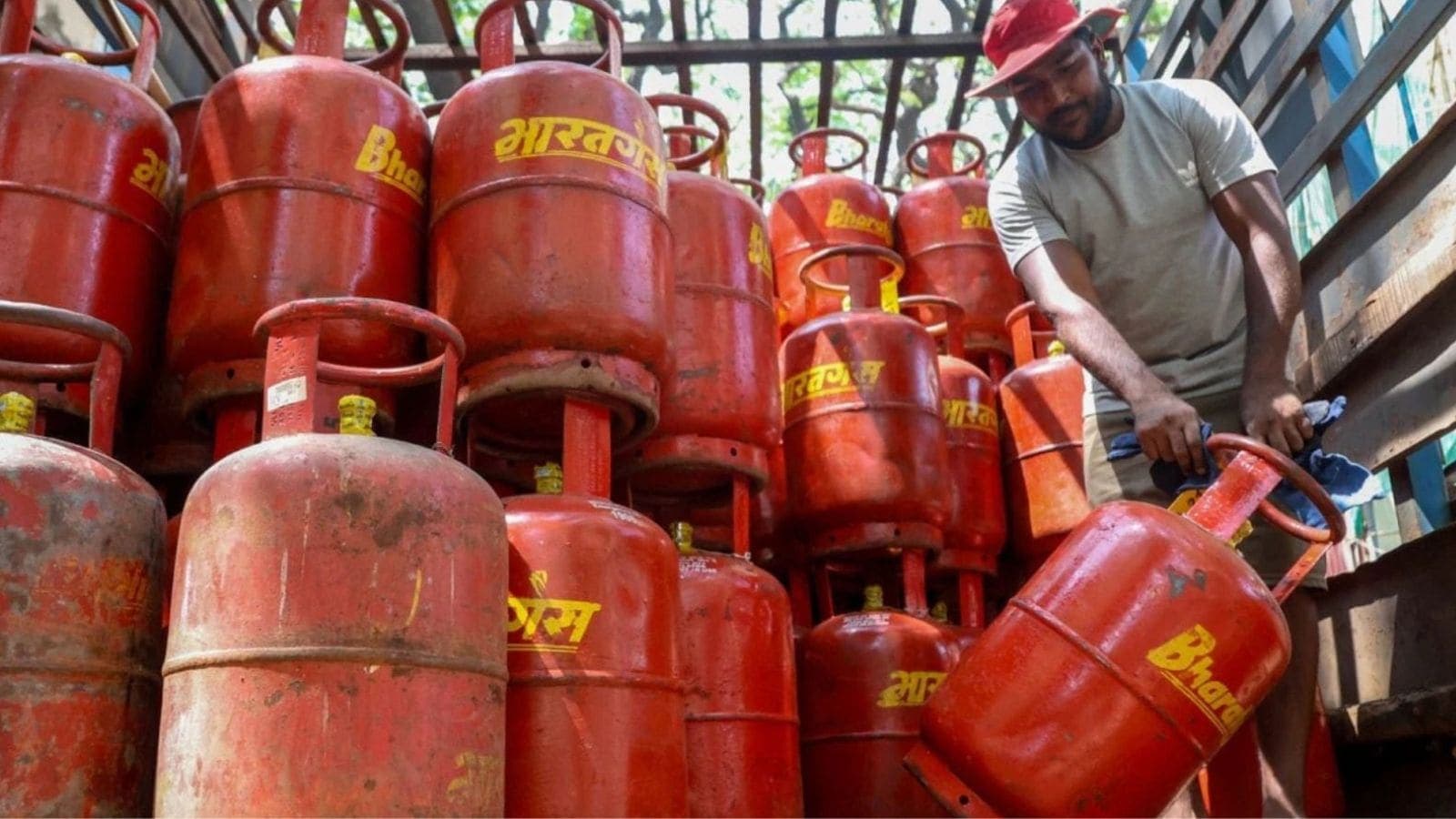
Commercial LPG prices have risen again, with increases of ₹42 in Delhi and ₹53.50 in Kolkata impacting businesses and consumers alike. Find out more.
Indian Express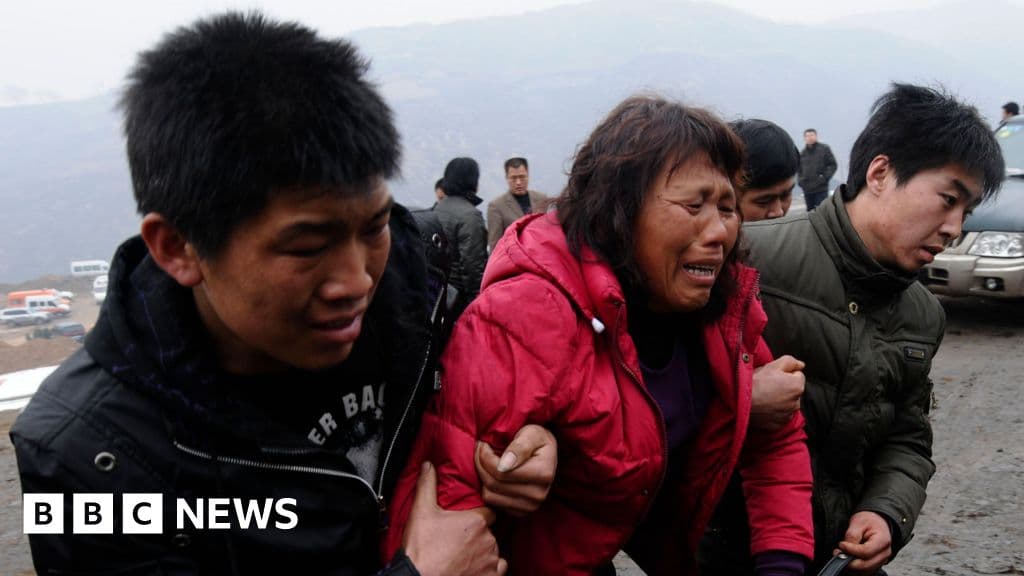
Discover how a tragic coal mine explosion in Shanxi, China, reveals ongoing safety concerns in the industry amidst a push for green energy.
BBC Business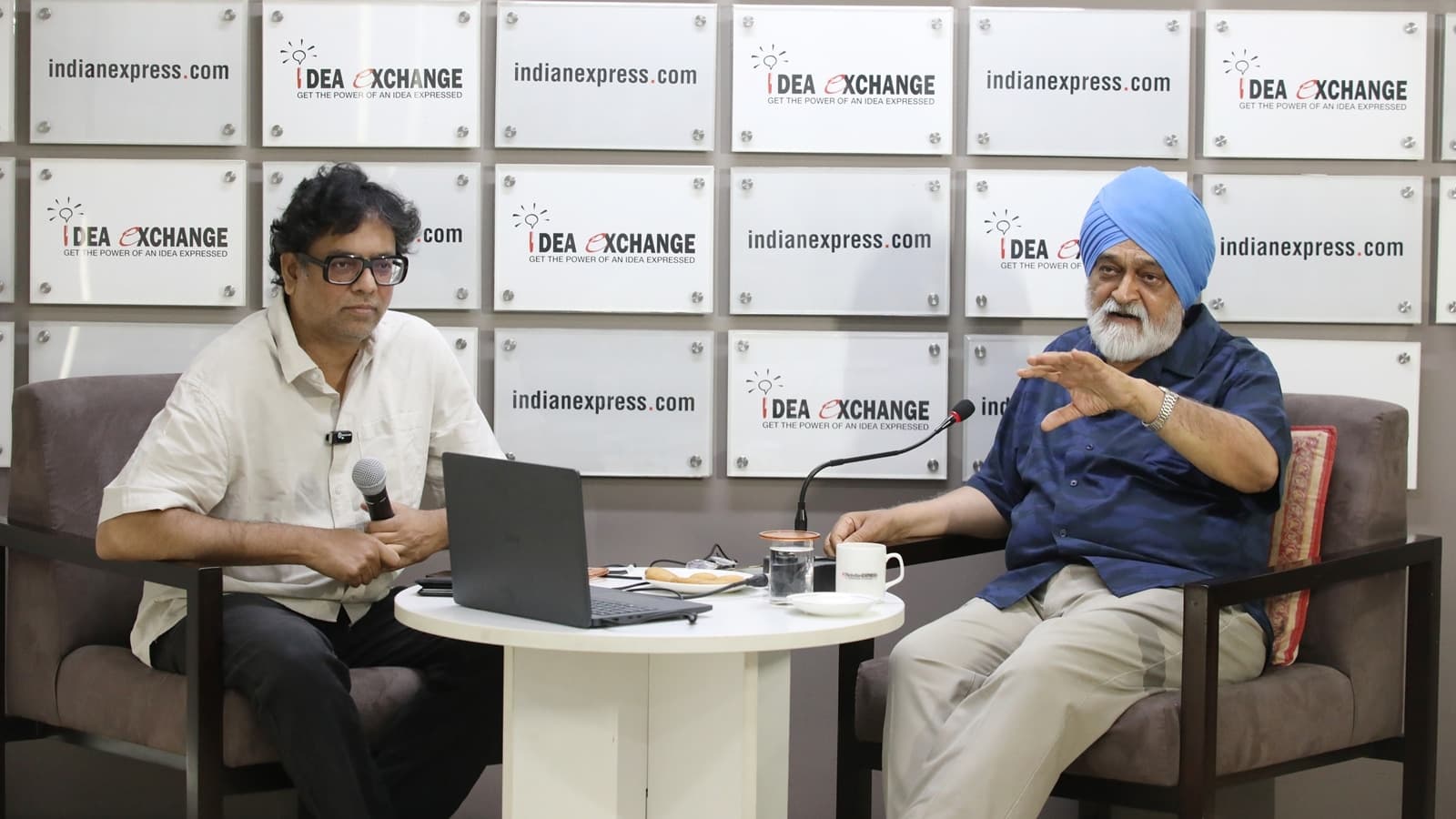
Montek Singh Ahluwalia highlights key economic challenges for India, emphasizing the need for a strategic approach to balance payments and investment.
Indian Express