
Image: BBC Health
A recent review reveals over 250 Jersey patients need repeat bone scans due to diagnostic concerns. Learn how this impacts patient care and safety.
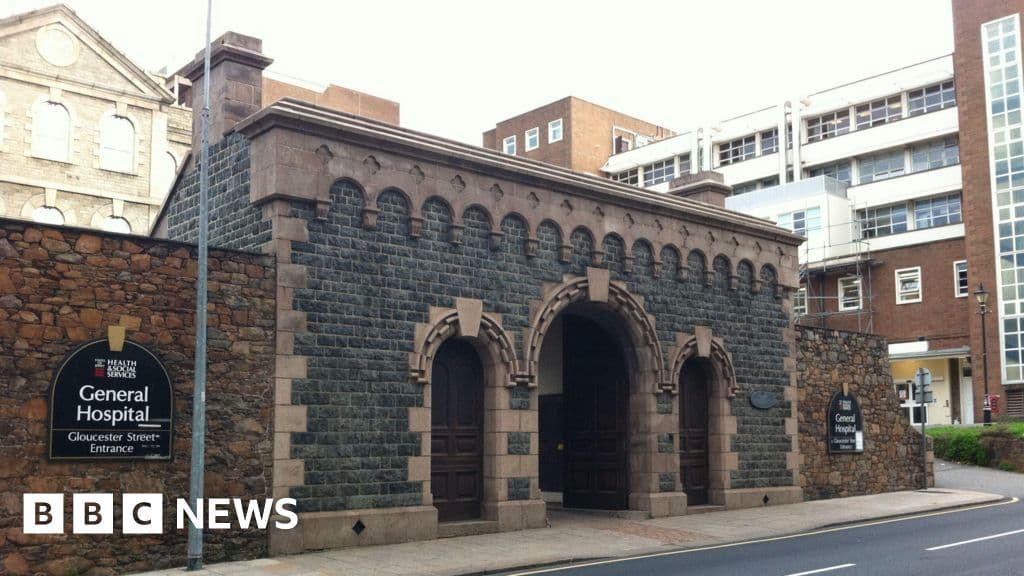
GlipzoIn a significant health oversight, more than 250 hospital patients in Jersey will be summoned for repeat bone scans due to an independent review exposing potential diagnostic and treatment flaws. The Government of Jersey announced this alarming update following a comprehensive evaluation of patient records by specialized consultants, reflecting concerns raised over the accuracy of previous bone densitometry assessments.
The scrutiny involved over 1,000 patients who underwent bone densitometry scans, also known as DEXA scans, between January 2017 and January 2022. The review uncovered troubling discrepancies, with findings indicating that in 20 cases, the standard of patient care fell “below the level that would have been expected.” As a result, around 250 patients are now being advised to undergo repeat scans to monitor any changes in their bone density.
Simon West, the medical director for Health and Care Jersey, publicly expressed his remorse to affected individuals, stating, "I would like to sincerely apologize to any patients who have been affected and recalled for a scan as I understand receiving such news can be unsettling." This acknowledgment is crucial as it aims to reassure the public regarding the integrity of health services.
Bone densitometry scans utilize low-dose X-rays to assess bone density and strength. The results are pivotal for diagnosing conditions like osteoporosis, gauging fracture risks, and evaluating body composition. West emphasized that the review aimed to bolster the quality of care provided to patients, reinforcing the commitment to transparency and improvement in health services.
The Government of Jersey revealed that potential reporting issues with bone densitometry scans were first identified in September 2025 during a broader review into rheumatology services. In response, an independent investigation was swiftly initiated to address these concerns. West assured the community that steps were being taken promptly to contact those affected and arrange for follow-up scans.
"Following the findings of the review, we have worked as quickly as possible to contact affected patients and to recall them for another scan," he stated. The government plans to have all recalled patients seen by the end of May 2026, illustrating a proactive approach to rectifying the situation.
Patients who underwent scans post-January 2022 have been informed that there are no issues regarding their results. Furthermore, those who do not receive a recall appointment by the end of April 2026 are also deemed unaffected. Health and Care Jersey has encouraged patients to continue their prescribed medications and maintain regular appointments with their healthcare providers.
This incident underscores the importance of vigilance in healthcare reporting and the need for ongoing assessments to ensure patient safety and care quality. West reassured the public that the scanning process itself was not compromised, stating, "The deficiency was in the reporting of the scan, not the quality of the scan or the person who conducted the scans."
The findings from this review come on the heels of an earlier investigation into the deaths of 182 rheumatology patients in Jersey since 2019, which prompted serious scrutiny of healthcare services. This earlier probe revealed systemic issues that need addressing, emphasizing the significance of the current review.
As the Government of Jersey continues to navigate these challenges, health officials are committed to ensuring the public remains informed and reassured about the quality of care. The recent developments highlight the importance of transparency in healthcare, as well as the need for continual improvement in service delivery.
Moving forward, the healthcare sector in Jersey faces the critical task of restoring public confidence while addressing past inaccuracies. The swift action taken to recall patients reflects a commitment to patient safety and care quality.
As the situation unfolds, it will be crucial to monitor the outcomes of the repeat scans and the overall effectiveness of the measures implemented. Ensuring that the affected patients receive proper follow-up care will be a vital step in reaffirming the community’s trust in the healthcare system.
The ongoing scrutiny of healthcare practices in Jersey serves as a reminder of the need for diligent oversight and the importance of patient advocacy. Stakeholders and patients alike should remain vigilant and proactive in ensuring that high standards of care are maintained in the future.
Why It Matters: The implications of this review extend beyond individual patient care; it calls into question the overall reliability of health services in Jersey, spotlighting the urgent need for systemic improvements to prevent future oversights.

Shocking findings from Nottingham's maternity unit reveal a toxic culture and alarming neglect. What can be done to improve care? Discover the details.
BBC Health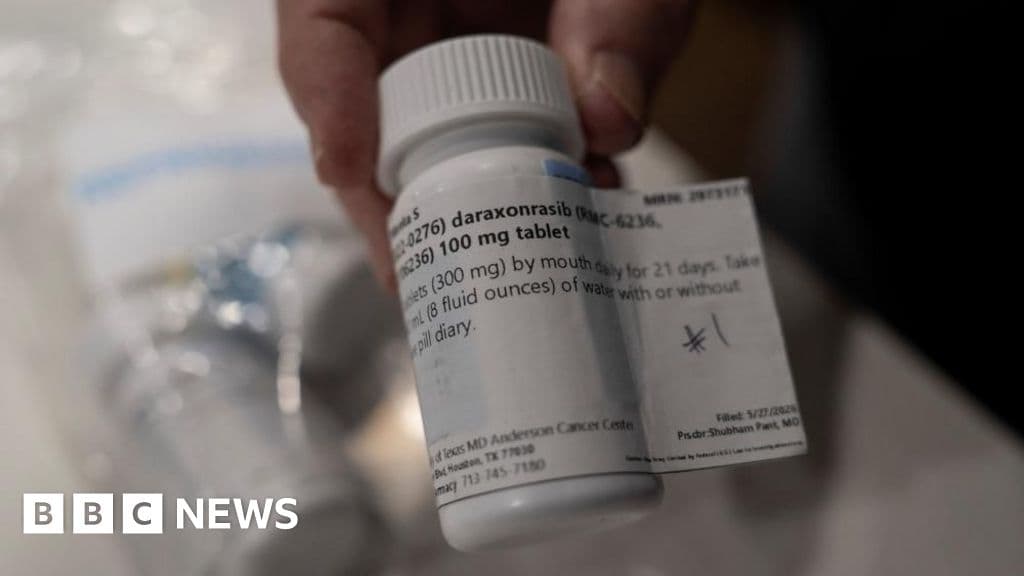
Discover how daraxonrasib, a new pill, is nearly doubling survival rates for pancreatic cancer patients, offering hope in a challenging battle against this deadly disease.
BBC Health
Waste companies propose a £5 deposit on vapes to encourage proper disposal and curb littering as the environmental impact of vapes increases.
BBC Business