
Image: BBC World
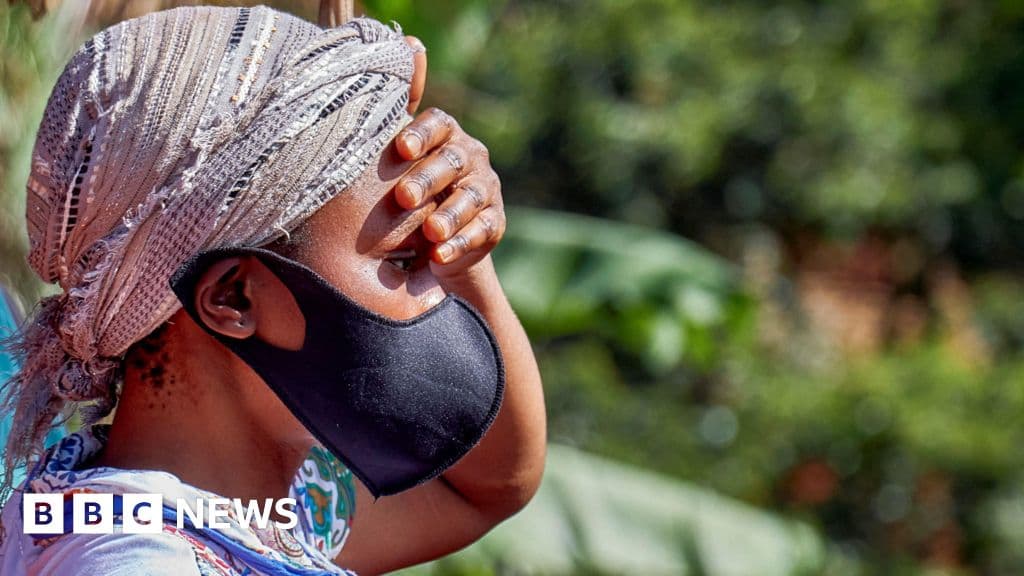
Ebola outbreak in DR Congo escalates, prompting urgent calls for resources and action as cases surge and regional leaders mobilize funds.
GlipzoThe Democratic Republic of Congo (DR Congo) is grappling with a severe Ebola outbreak, particularly in Ituri province, where the military governor, Johnny Luboya Nkashama, has drawn alarming parallels between the fight against the virus and a full-scale war. He stated that resources are critically lacking, making it increasingly difficult to manage the situation effectively.
On May 15, the outbreak was officially declared, and since then, the situation has deteriorated rapidly. Officials have reported over 900 suspected cases of Ebola, with 223 suspected deaths linked to the virus. Nkashama emphasized the dire need for immediate intervention, asserting that the affected populations are facing not only the threat of Ebola but also issues stemming from food shortages, overcrowding, and other diseases.
The World Health Organization (WHO) has stepped in, declaring the outbreak a public health emergency of international concern. WHO Director-General Tedros Adhanom Ghebreyesus highlighted the urgency of the situation, stating that the outbreak is outpacing efforts to control it. He criticized the response teams for being in a state of catch-up, indicating that the spread of the virus is more aggressive than anticipated.
Ebola cases have not only been confirmed in Ituri but also in North and South Kivu provinces and neighboring Uganda, which has reported seven confirmed cases. The situation has prompted a regional response, with health ministers from DR Congo, Uganda, and South Sudan convening to discuss coordinated efforts.
Governor Nkashama has outlined several critical needs for Ituri province: - Deployment of qualified personnel to manage the outbreak effectively. - Establishment of secure treatment centers for affected individuals. - Immediate financial resources to support containment efforts.
He expressed frustration over the competing demands for resources, stating, “Our existing resources were dedicated to the war, and this second war that is now upon us demands even more.” The governor's declaration underscores a broader issue in Ituri, which has been under military rule since 2021, primarily to combat numerous armed groups, including the Allied Democratic Forces (ADF), which are linked to the Islamic State.
In a bid to tackle the outbreak, Dr. Jean Kaseya, the head of the Africa Centres for Disease Control and Prevention (Africa CDC), recently met with health officials from the affected countries. They reached a consensus on a $319 million budget aimed at halting the spread of Ebola. Dr. Kaseya noted that only 10% of these funds have been secured from the countries involved.
Additionally, on the same day, South African President Cyril Ramaphosa announced an initial contribution of $5 million to assist in the response plan. Dr. Kaseya emphasized the importance of mobilizing additional funds, stating that African businessmen would gather later this week to raise further resources, alongside commitments from international partners.
The Africa CDC has warned that several nations in the region, including Angola, Burundi, Central African Republic, Ethiopia, Kenya, Rwanda, South Sudan, Tanzania, and Zambia, are at risk of experiencing Ebola outbreaks due to the current crisis. This current outbreak marks the 17th such event in DR Congo since Ebola was first identified in 1976 and is notably the third worldwide involving the rare Bundibugyo species of the virus, which has been dormant for over a decade.
Currently, there are no vaccines or treatments specifically designed for the Bundibugyo strain, although research and development initiatives are underway. The WHO has indicated that it may take up to nine months for an effective vaccine to be available.
The situation in DR Congo is of paramount concern not only due to the health risks posed by Ebola but also because of the broader implications for regional stability and public health. The ongoing armed conflict and humanitarian crises in Ituri complicate the response to the outbreak, making effective intervention critical. As authorities scramble to mobilize resources and coordinate efforts, the time to act is limited.
The commitment of regional leaders and international partners could determine the outcome of this critical health crisis. As the situation develops, stakeholders must remain vigilant and proactive in their response to avert a potential catastrophe.
In the coming weeks, the focus will be on securing additional funding and resources to combat the outbreak effectively. Health officials will need to prioritize the deployment of personnel and the establishment of treatment facilities. Monitoring the situation in neighboring countries will also be crucial to prevent a wider outbreak. The international community's response will play a significant role in shaping the trajectory of this crisis, as the stakes continue to rise in the fight against Ebola in DR Congo.
For more updates on this situation, stay tuned to trusted news sources and health organizations. Follow updates from the BBC Africa on social media for continuous coverage and developments.
Shocking findings from Nottingham's maternity unit reveal a toxic culture and alarming neglect. What can be done to improve care? Discover the details.
BBC Health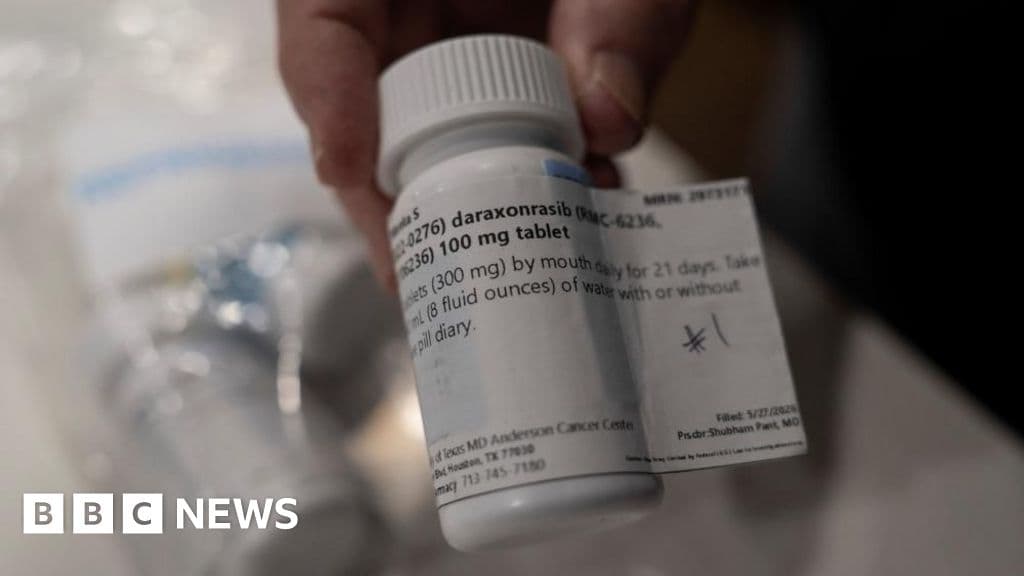
Discover how daraxonrasib, a new pill, is nearly doubling survival rates for pancreatic cancer patients, offering hope in a challenging battle against this deadly disease.
BBC Health
Waste companies propose a £5 deposit on vapes to encourage proper disposal and curb littering as the environmental impact of vapes increases.
BBC Business