Could the Iran conflict disrupt India’s piped natural gas supply? Explore the implications for households and industries amid rising geopolitical tensions.
The Impact of the Iran Conflict on India’s Energy Supply
As the conflict in Iran intensifies, India's energy landscape is experiencing ripple effects that could reshape its natural gas supply. With the **Iran war** already shaking the foundations of the liquefied petroleum gas (**LPG**) sector, attention is now shifting towards the country's burgeoning network of **piped natural gas (PNG)**. This delivery system is crucial for households and industries alike, raising a pressing question: could India's piped gas be the next casualty of geopolitical tensions?
Understanding the Demand for Piped Natural Gas
Natural gas in India serves various sectors, notably **fertilizer production**, industrial applications, and **gas-fired power generation**. Among these, the **city gas distribution** networks have shown remarkable growth, expanding steadily as urban centers increasingly adopt PNG for households and **compressed natural gas (CNG)** for vehicles.
- **Over 15 million** PNG connections currently exist across India.
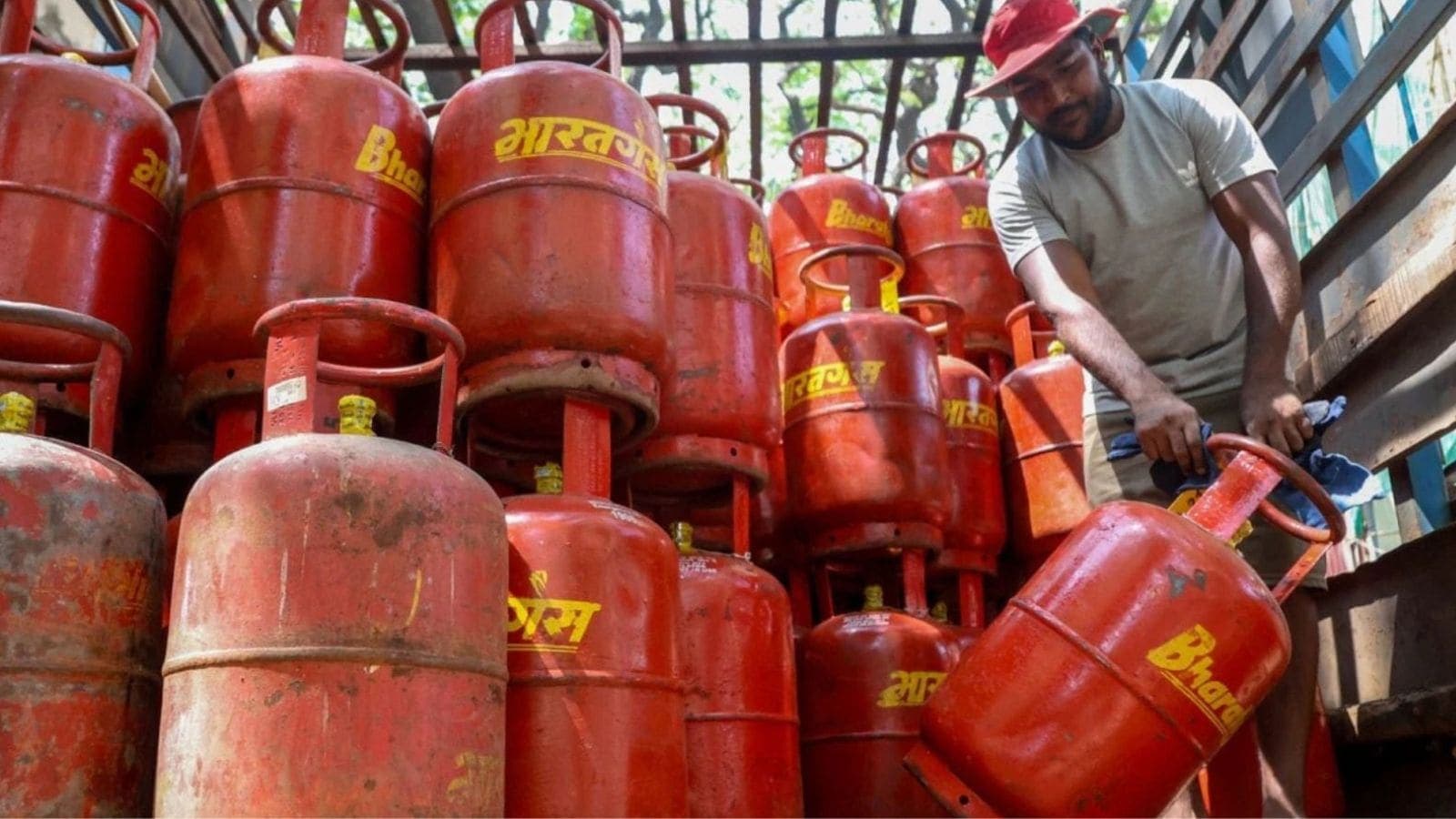
- The government is actively encouraging households to transition from traditional LPG cylinders to piped gas solutions.
- CNG has also gained traction, becoming India's **second-largest auto fuel**, following petrol.
With such rapid expansion, many urban Indian households are left pondering whether their gas supply might also be impacted if LPG shipments are hindered due to the conflict in the Middle East.
- Approximately **50%** of PNG supply comes from domestic sources, sourced from both onshore and offshore fields managed by companies like **ONGC** and **Reliance**.
- The remaining supply is bolstered through LNG imports, ensuring a balanced energy strategy.
According to Rahul Chopra, managing director of Haryana City Gas Distribution Limited, “No disruption is expected for homes and vehicles [using piped gas]. The government has given priority to these two sectors.” This perspective is crucial, as it underscores the protective measures in place for domestic consumers amidst international volatility.
Industrial Cuts and Supply Prioritization
While households may remain largely unaffected, industrial consumers are facing challenges. As the government prioritizes residential and vehicle gas supplies, industrial and commercial sectors are experiencing a **20% supply cut**. This shift in focus hints at a broader strategy to mitigate the impact of potential gas shortages.
- **2,200** industrial clients of Chopra’s firm have been subject to this supply reduction.
- Prioritization typically favors sectors like **fertilizer production** and residential piping, indicating that industry and power generation are often first in line for cuts.
In scenarios where LNG prices spike or cargo availability decreases, industries often pivot to alternative fuels such as fuel oil, LPG, or even coal, while gas-fired power plants might reduce their generation output.
The Vulnerability of India’s LNG Supply Chain
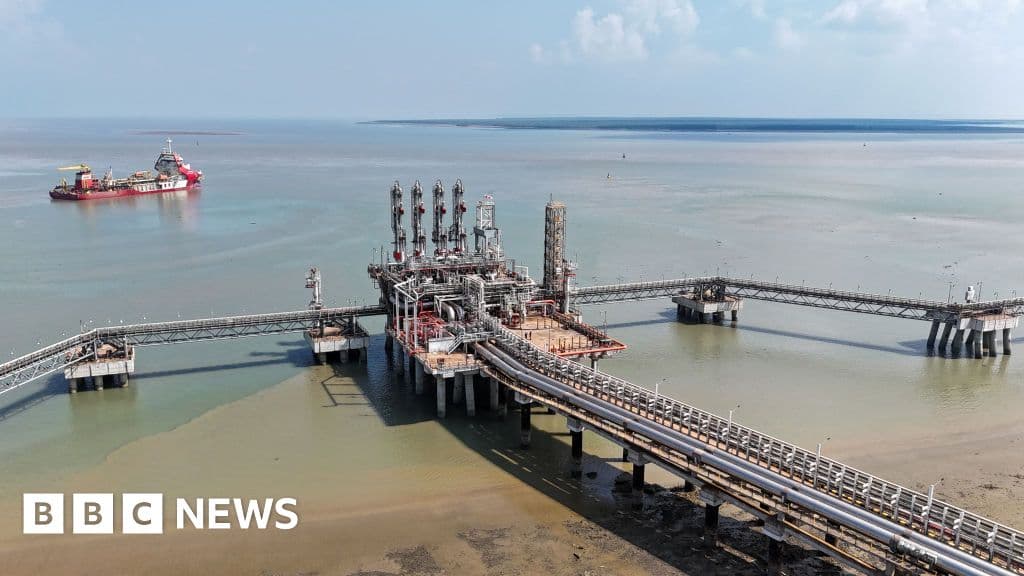
Despite the protective measures for households, India's piped gas network remains susceptible to global fluctuations. In recent years, LNG has accounted for about **50%** of India's total gas supply, positioning the country as one of the largest LNG importers globally. In 2025 alone, India’s imports totaled around **24-25 million tonnes**.
A significant portion, over 50%, of these imports are tied to long-term contracts with suppliers from Qatar. This dependency becomes particularly concerning as key shipping routes, especially through the Strait of Hormuz, become unpredictable amid rising tensions. The corridor is crucial, with 50-55% of India’s LNG imports traversing this narrow maritime passage.
Current State: Are Cargoes Still Arriving?
As of now, the flow of LNG into India has not been entirely halted. Cargoes loaded prior to the escalation of conflict continue to make their way to Indian ports. **Go Katayama**, an analyst at **Kpler Insight**, confirmed that “Supplies have not been completely disrupted yet. Cargoes that loaded in Qatar before the conflict escalated are still arriving in Asia.”
Recent shipping data reveals that 13 LNG cargoes, loaded between February 10-26, are en route to India, with deliveries expected to persist into March. However, the situation is precarious; exports from Qatar's Ras Laffan LNG complex, capable of producing 77 million tonnes annually, have been suspended since March 2, potentially signaling the beginning of a more significant supply crunch.
What Lies Ahead for India’s Gas Supply?
The current situation underscores a critical structural vulnerability within India’s energy framework. Unlike crude oil, which is maintained in strategic reserves, the country does not possess substantial stockpiles of LNG. Most gas is retained as working inventory at import terminals, leaving little room for maneuvering in case of supply disruptions.
Why It Matters: The implications of these dynamics extend beyond immediate supply concerns. With a growing reliance on piped gas for both residential and industrial use, India must navigate these geopolitical tensions carefully. The potential for supply disruptions could have widespread consequences, affecting everything from household cooking to industrial production.
Looking Forward: Monitoring the Situation
As the situation evolves, there are key points to watch:
- **LNG price fluctuations:** Any spikes could significantly impact the cost of gas for consumers.
- **Government responses:** Continued prioritization of residential and vehicle gas supplies will be critical.
- **Global geopolitical developments:** Changes in the conflict could further complicate supply routes.
In summary, while immediate disruptions to piped gas supplies appear unlikely, the ongoing conflict in Iran presents a cautionary tale about the fragility of global energy networks. Stakeholders will need to remain vigilant as they navigate the complexities of energy supply and demand in this volatile landscape.