

Image: The Hindu
Discover the promise of mRNA cancer vaccines and the misinformation threatening their impact. Learn why combating myths is crucial for future treatments.
GlipzoRecent advancements in mRNA cancer vaccines may revolutionize cancer treatment and prevention, but they're facing significant challenges. These vaccines, which leverage the body's immune response to combat tumors, have shown promise in over 120 clinical trials targeting various cancers, including melanoma, breast, and prostate cancer.
Since the early 2000s, researchers have dedicated themselves to developing vaccines that can train the immune system to recognize and eliminate tumor cells effectively. Unlike traditional vaccines, which typically use weakened or inactive forms of a virus, mRNA vaccines provide the body with instructions to produce specific proteins that can trigger an immune response against cancer.
One notable example of this technology's potential lies in its application to glioblastoma, a notoriously aggressive brain cancer. Recent studies indicate that personalized mRNA vaccines can stimulate the immune system in ways that significantly enhance survival rates for patients. This development marks a pivotal moment in cancer treatment, as it offers new hope for conditions that have historically been difficult to treat.
Despite the scientific progress being made, the rise of misinformation poses a serious threat to the acceptance and utilization of mRNA cancer vaccines. One particularly damaging narrative circulating online is the idea of “turbo cancer,” which falsely claims that COVID-19 mRNA vaccines are responsible for an increase in aggressive cancers. This term gained traction on social media and was notably reported by mainstream outlets beginning in late 2022.
As a researcher specializing in health communication, I have witnessed the rapid spread of misinformation and its alarming effect on public health decisions. The emergence of claims surrounding turbo cancer has the potential to undermine trust in mRNA vaccines, which could ultimately hinder their effectiveness in cancer prevention and treatment.
The COVID-19 pandemic accelerated the spread of health-related misinformation, leading to what experts now refer to as an infodemic. This phenomenon has made it increasingly difficult for individuals to discern between fact and fiction, especially regarding vaccines. As misinformation proliferates, it cultivates an environment of fear and mistrust, particularly around health innovations like mRNA technology.
During our social listening studies, we discovered that discussions about turbo cancer reflect the same patterns seen in the misinformation surrounding COVID-19 vaccines—concerns about safety, distrust of authorities, and reliance on anecdotal evidence rather than scientific data. This trend poses a significant barrier to the public's acceptance of mRNA vaccines in cancer treatment.
To combat the spread of misinformation effectively, it is crucial for health professionals and researchers to engage in evidence-based communication strategies. This includes: - Clear messaging: Providing accurate information about the benefits and safety of mRNA vaccines. - Public engagement: Actively addressing concerns and misinformation within communities. - Collaboration with media: Partnering with journalists to ensure accurate reporting on scientific advancements.
Health misinformation not only undermines public trust in vaccines but can also influence health outcomes significantly. As researchers continue to explore the potential of mRNA technology in cancer treatment, it is essential to foster an environment where accurate information is prioritized over sensational claims.
As the scientific community continues to explore the capabilities of mRNA cancer vaccines, a few key developments are on the horizon: - Broader clinical trials: Increased testing across diverse populations to validate efficacy and safety. - Improved public education: Campaigns aimed at dispelling myths and promoting the benefits of mRNA technology. - Policy changes: Potential support from governments and health organizations to prioritize research funding for mRNA cancer vaccines.
The future of cancer treatment may very well hinge on how effectively we can combat misinformation. By addressing public fears and misconceptions, we can pave the way for a new era in cancer prevention and treatment that utilizes the groundbreaking technology of mRNA vaccines. The journey ahead will require a concerted effort from both the scientific community and the public to ensure that these innovations are embraced and utilized for the benefit of all.
The implications of mRNA cancer vaccines extend beyond mere medical advancements; they represent a paradigm shift in how we approach cancer treatment. However, misinformation threatens to derail this progress. Addressing the myths surrounding these vaccines is essential to ensure they reach the patients who need them the most. As we move forward, vigilance against misinformation will be crucial in realizing the full potential of mRNA technology in the fight against cancer.

Shocking findings from Nottingham's maternity unit reveal a toxic culture and alarming neglect. What can be done to improve care? Discover the details.
BBC Health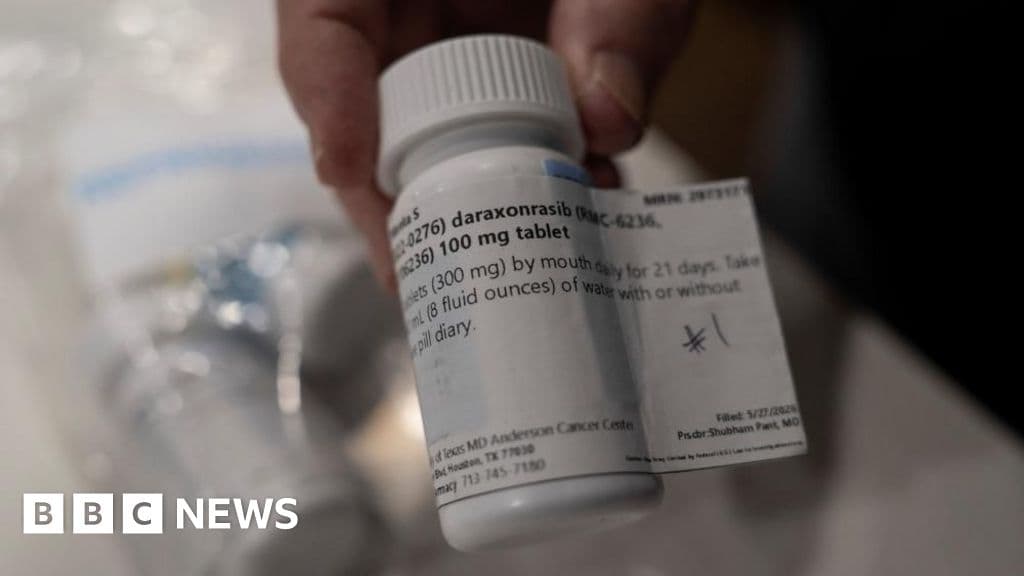
Discover how daraxonrasib, a new pill, is nearly doubling survival rates for pancreatic cancer patients, offering hope in a challenging battle against this deadly disease.
BBC Health
Waste companies propose a £5 deposit on vapes to encourage proper disposal and curb littering as the environmental impact of vapes increases.
BBC Business