

Image: BBC Health
A critical medication shortage in England leaves patients anxious and vulnerable. Discover how this crisis impacts lives and what can be done about it.
GlipzoIn England, patients are grappling with a severe medication shortage that is causing distress and health complications for many, including those with chronic conditions. Among the affected is Chloe, a 29-year-old woman living with epilepsy. "It's just terrifying," she shares, recounting her struggles to obtain life-saving medication. Despite having access to other medicines, it's the Lamotrigine that she desperately needs to prevent life-threatening seizures.
Chloe's situation reflects a broader issue affecting countless individuals. Many patients, including those suffering from heart conditions, bipolar disorder, and ADHD, are facing similar challenges in securing their essential medications. The current state of access to medicines in England is at an alarming low, presenting a significant public health concern.
The underlying cause of these shortages is multifaceted. Global price surges have contributed to the crisis, but a complicated funding structure within the NHS also plays a critical role. Pharmacies receive a fixed reimbursement amount from the NHS for each medication they dispense. If the cost of a drug exceeds this amount, it's added to the government's price concessions list. As of April, this list included a staggering 210 medications—a record high.
When prices spike unexpectedly, pharmacies often find themselves dispensing medications at a loss, which further complicates their ability to maintain adequate stock levels. This situation results in patients like Chloe frequently leaving pharmacies empty-handed, leading to anxiety and health risks.
Chloe's predicament is not unique. Another patient, Chris Henry, 49, who relies on Co-Careldopa for his Parkinson's Disease, shares his concerns about medication availability. "This is genuinely concerning," he states, highlighting the anxiety that patients feel when they are uncertain about their access to essential medications.
Pharmacists like Akash Patel, based in Shepperton, express their frustrations as well. Patel reports that he often cannot fulfill prescriptions due to unavailable items, which results in financial losses for his pharmacy. He explains, "This month, I cannot complete a prescription for a patient with epilepsy. The pills I can provide will leave us out of pocket by nearly £9."
The medication crisis is further exacerbated by the decline in the number of pharmacies operating in England. Since 2017, approximately 1,500 High Street pharmacies have shuttered, including 27 this year alone. With the current count at its lowest in 20 years, patients are left with fewer options for obtaining their medications.
Patel states, "It's been getting worse in the last few years, but now is the worst I've ever known it." The reduction in pharmacies, coupled with rising medication costs, creates an unsustainable situation for both patients and providers.
Several factors are driving up the prices of medications in the UK. The costs associated with manufacturing and distributing drugs have skyrocketed due to global tensions affecting energy and transport. Additionally, many medications depend on ingredients that are derived from oil, which has also seen price increases.
Manufacturers have expressed concerns that UK prices are so low that it is no longer feasible to distribute certain drugs in the country. This leads to shortages, which, in turn, drive up wholesale costs for pharmacies, creating a vicious cycle that impacts patient care.
The implications of these medication shortages are profound. Patients with long-term health conditions face terrifying uncertainty, as many depend on consistent access to their medications to manage their health effectively. For individuals like Chloe and Chris, the stakes are incredibly high. Missing doses or being unable to obtain necessary medications can lead to dangerous health consequences, including seizures and exacerbation of chronic conditions.
The Epilepsy Society has already documented three fatalities in the past two years where a lack of medication was a contributing factor. This alarming statistic underscores the urgency of addressing the medication crisis in England.
As the situation continues to unfold, it is essential for stakeholders—government officials, healthcare providers, and pharmaceutical companies—to work collaboratively to develop solutions. There is a pressing need for policy adjustments that ensure pharmacies can maintain adequate stock levels without suffering financial losses.
Key areas to monitor include: - Potential governmental interventions to stabilize medication prices. - Initiatives aimed at increasing the number of pharmacies and access points for patients. - Ongoing assessments of medication availability and the effectiveness of the current pricing structure.
In conclusion, the medication shortage in England poses a significant risk to public health that demands immediate attention. As patients like Chloe and Chris navigate this precarious landscape, it is crucial for the system to adapt and prioritize the health needs of its citizens.

Shocking findings from Nottingham's maternity unit reveal a toxic culture and alarming neglect. What can be done to improve care? Discover the details.
BBC Health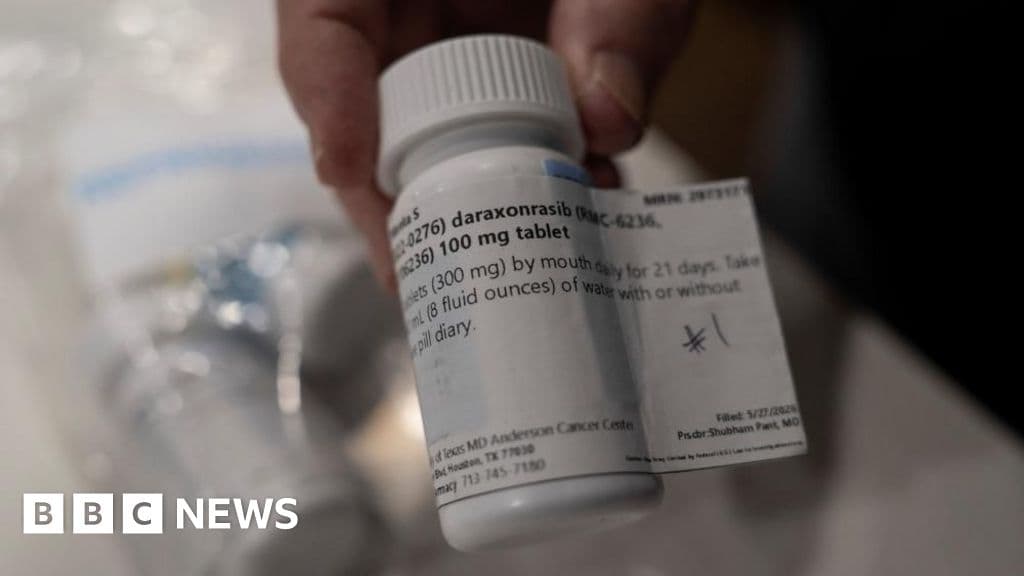
Discover how daraxonrasib, a new pill, is nearly doubling survival rates for pancreatic cancer patients, offering hope in a challenging battle against this deadly disease.
BBC Health
Waste companies propose a £5 deposit on vapes to encourage proper disposal and curb littering as the environmental impact of vapes increases.
BBC Business