

Image: The Hindu
India faces a critical LPG shortage due to West Asia conflict, forcing a return to traditional cooking methods. What does this mean for the future?
GlipzoIn a shocking turn of events, India is grappling with a significant LPG shortage that has shaken the foundations of culinary practices across the nation. This crisis emerged as a result of geopolitical tensions in West Asia, leading to disruptions in the supply chain that once offered a steady flow of liquefied petroleum gas. As households and restaurants face mounting challenges in sourcing cooking fuel, the vibrant culinary landscape of India is experiencing a regression to more traditional and less efficient methods of cooking.
Seventy years ago, the introduction of LPG cylinders in cities like Pune marked a revolutionary shift in cooking practices. Initially perceived as luxury items, these gas cylinders quickly became essential in households, phasing out the reliance on firewood and kerosene stoves. However, the journey to widespread acceptance of LPG has been a long and complex one. Even as late as the 2000s, the popularity of LPG was still burgeoning, with many rural areas remaining dependent on more primitive cooking methods.
The situation has taken a dramatic turn, with the recent conflict in West Asia halting imports of LPG, a vital resource for millions of households across India. Reports suggest that two ships carrying LPG are currently en route to Indian shores, yet these vessels will only provide enough fuel to meet two days of the country’s demand. Experts warn that India requires at least one ship per day to re-establish normalcy in its LPG supply chain.
In urban areas, the impact of the shortage is palpable. Queues for LPG cylinders are forming outside distribution centers, as residents scramble to secure this essential cooking fuel. Despite government assurances against panic buying, the lines persist, reflecting the heightened anxiety among consumers.
As the LPG crisis deepens, many are forced to revert to older, more labor-intensive cooking methods. Firewood, coal, and other alternative fuels are experiencing a resurgence in popularity. Here are some notable trends: - Restaurants have started trimming their menus, with some places now offering only basic items such as coffee and tea. - Hostels and educational institutions are adapting their menus to accommodate energy-efficient dishes, even if they are not the most appealing. - Induction stoves are flying off the shelves as consumers seek alternatives to the dwindling LPG supply.
The demand for firewood has surged exponentially, with prices climbing as households and restaurants alike seek reliable cooking methods. In Lucknow, for example, workers are reported to be unloading traditional tandoors, a clear sign of the shift back to coal and wood-based cooking.
The ongoing LPG shortage is not only affecting households but also the broader economy. With commercial users pivoting to alternative fuels, the demand for coal has significantly increased. This shift has led to idle lorries in regions like Tamil Nadu, which typically transport LPG cylinders, as they remain stationary due to the lack of supply.
In New Delhi, individuals can be seen transporting LPG cylinders on their two-wheelers from local depots, showcasing the lengths to which people are going to secure this critical resource. Meanwhile, the price of firewood has skyrocketed, leading to increased operational costs for both restaurants and households.
Amid the crisis, communities are rallying together to support those in need. Local NGOs are stepping up to serve food to the underprivileged, relying on traditional methods like firewood cooking as they face shortages of LPG. In Vijayawada, these organizations are navigating the challenges posed by the LPG crisis, demonstrating resilience in the face of adversity.
In regions like Srinagar, a woman can be seen preparing meals on a traditional clay stove, reflecting the return to basic cooking methods that many families are now adopting. As culinary practices shift, the essence of Indian cooking is being redefined, highlighting the adaptability of its people.
This unfolding crisis serves as a stark reminder of how global conflicts can have immediate and far-reaching consequences on local economies and lifestyles. The LPG shortage not only disrupts daily life but also poses significant challenges to food security, with a direct impact on nutritional access for vulnerable populations.
As the situation evolves, it is crucial for policymakers to address these supply chain vulnerabilities and seek long-term solutions to prevent future disruptions. The current crisis could ignite a renewed interest in energy alternatives, driving innovation in the cooking fuel industry.
As India navigates this unprecedented crisis, several key developments are anticipated: - Government Response: Watch for potential policy changes aimed at stabilizing LPG supplies and supporting affected households and businesses. - Consumer Behavior: Monitor shifts in consumer preferences as people adapt to alternative cooking methods. - Long-term Energy Strategy: The crisis may prompt discussions about diversifying energy sources and enhancing infrastructure for a more resilient cooking fuel supply chain.
In conclusion, the LPG crisis is a pivotal moment for India, forcing a reevaluation of how the nation approaches cooking and energy consumption. As the country faces this challenge, the resilience of its people will be tested, shaping the future of cooking in India for years to come.
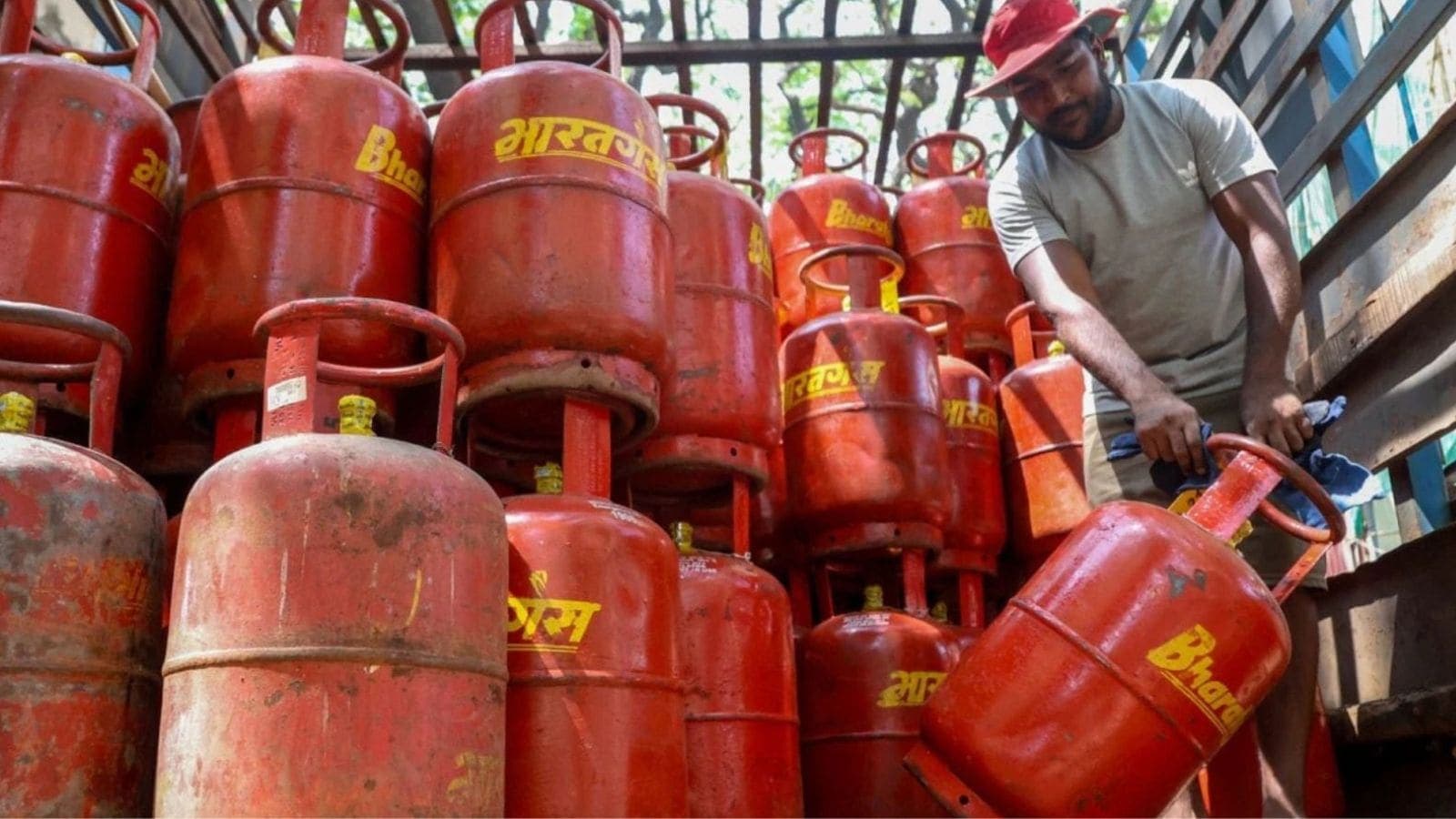
Commercial LPG prices have risen again, with increases of ₹42 in Delhi and ₹53.50 in Kolkata impacting businesses and consumers alike. Find out more.
Indian Express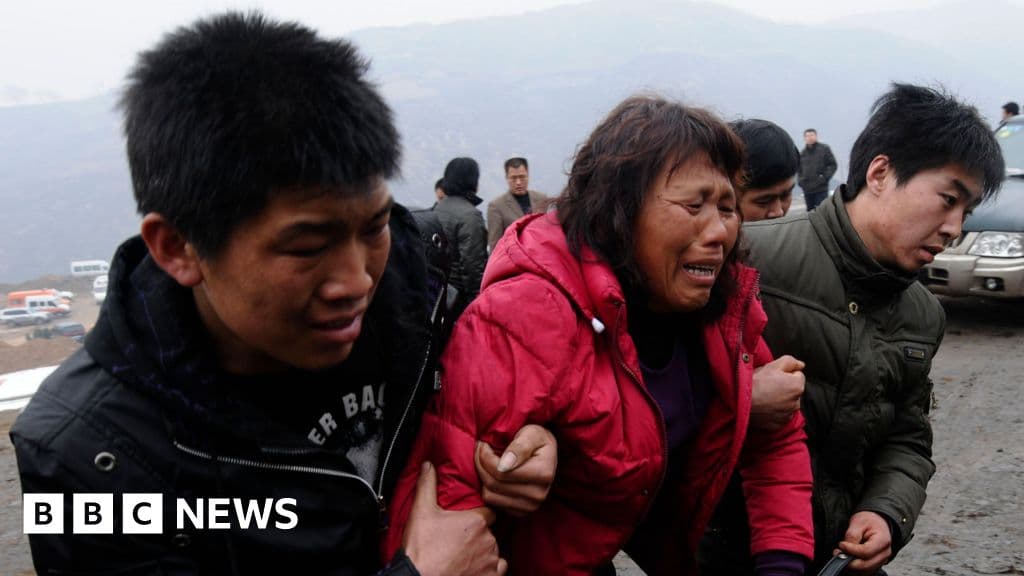
Discover how a tragic coal mine explosion in Shanxi, China, reveals ongoing safety concerns in the industry amidst a push for green energy.
BBC Business
Montek Singh Ahluwalia highlights key economic challenges for India, emphasizing the need for a strategic approach to balance payments and investment.
Indian Express