
Image: Mint (Business)
The LPG shortage is forcing Indian restaurants to adapt with menu changes, price hikes, and job losses looming if conditions don’t improve. What’s next?
GlipzoIn recent days, a severe shortage of commercial LPG cylinders has begun to threaten the livelihood of restaurants across India. With the crisis leading to rising costs and potential job losses, industry leaders are sounding the alarm. Sagar Daryani, founder of Wow Momo and president of the National Restaurant Association of India (NRAI), warned that if the situation does not improve, many eateries may be forced to shut their doors permanently.
Daryani stated, "You will see a lot of mortality rate in the food business industry. There will be job losses happening if this goes on." His concerns reflect a broader impact, with over 100 restaurants reportedly closing in Bengaluru alone. Daryani emphasized the importance of these establishments, particularly for urban dwellers, including students and young professionals who rely on affordable meals. He urged the government to recognize restaurants as essential services, highlighting their role in the urban ecosystem.
The LPG shortage stems from significant disruptions in key import routes, particularly the Strait of Hormuz, which have been exacerbated by ongoing conflicts in the Middle East. India, which imports more than 60% of its LPG, is feeling the effects of shipping bottlenecks that prioritize domestic use over commercial needs. As restaurants across the country grapple with this crisis, the fallout is being felt most acutely in metropolitan areas where dining options are plentiful but heavily reliant on LPG.
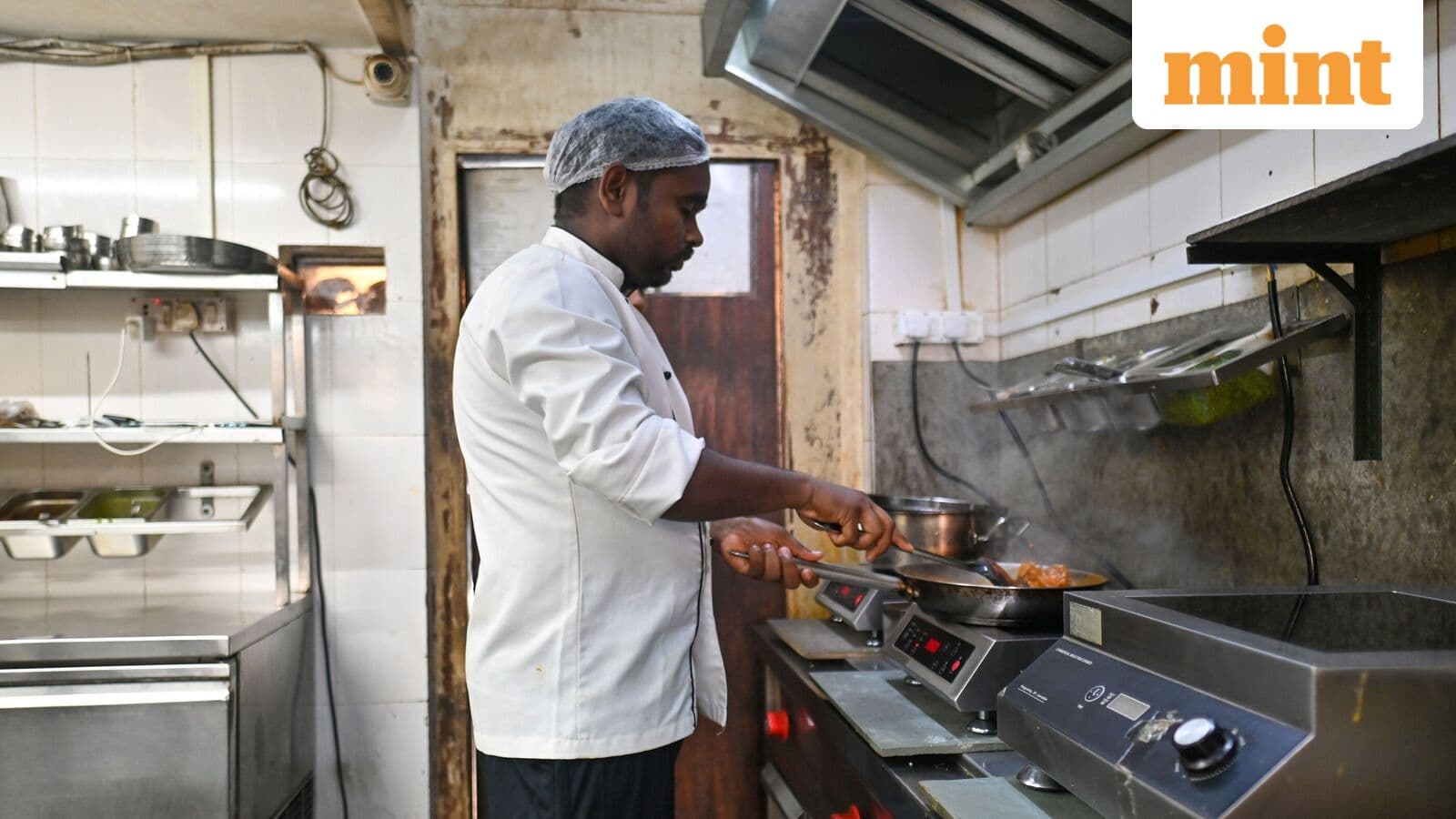
In response to the crisis, many restaurants are turning to alternative energy sources. Daryani shared that his franchise, Wow Momo and Wow China, is beginning to transition away from LPG. "We have resorted to alternative energy," he explained. However, he acknowledged the challenges associated with switching to electric cooking.
Similarly, Ankit Gupta, co-founder of the popular chain Burma Burma, noted that the restaurant is focusing on salads and desserts while reimagining cooking methods for their signature dishes. "We are identifying alternate ways. The stock is sufficient for now," Gupta assured.
The ongoing shortage is forcing many restaurants to scale back their menus. For example, the award-winning restaurant Kappa Chakka Kandhari has reduced its regular offerings by 50% and temporarily discontinued tasting menus. Chef Regi Mathew explained that they have switched to electric induction stoves and other alternatives to cope with the shortage.
While some premium establishments like Kappa Chakka Kandhari are committed to maintaining their prices, budget-friendly chains like Wow Momo may have no choice but to raise prices. Daryani stated, "We don't want to profit from this. However, our cost will go up because of electricity. We have to cover the cost, but we haven't thought about it."
As the crisis unfolds, it is clear that the implications extend beyond individual restaurants. The potential job losses and closures could have a ripple effect on the broader economy, particularly in urban areas where dining out is a common social activity. Ankit Gupta of Burma Burma acknowledged that while there hasn't been a significant increase in costs yet, future fuel price hikes may necessitate a reevaluation of menu prices. "We may have to consider in the future if the prices of gas increase," he said.
This situation is critical not only for the restaurant industry but also for consumers. As the cost of dining out may rise, many individuals and families could find themselves with fewer affordable options. This could lead to a change in dining habits, with more people opting for home-cooked meals or exploring lower-cost alternatives. The outcome of this crisis could redefine the landscape of the Indian food industry for years to come.
As restaurants continue to adapt to the LPG shortage, several key factors will shape the industry's future: - Government intervention: Will the government step in to support the restaurant industry during this crisis? - Consumer behavior: How will customers respond to potential price increases and menu changes? - Long-term adaptations: Will restaurants permanently shift to electric cooking, or will they revert to LPG once supply stabilizes?
The coming weeks will be crucial as the restaurant industry navigates this challenging landscape. Stakeholders across the board will need to remain agile and innovative to survive in these uncertain times.
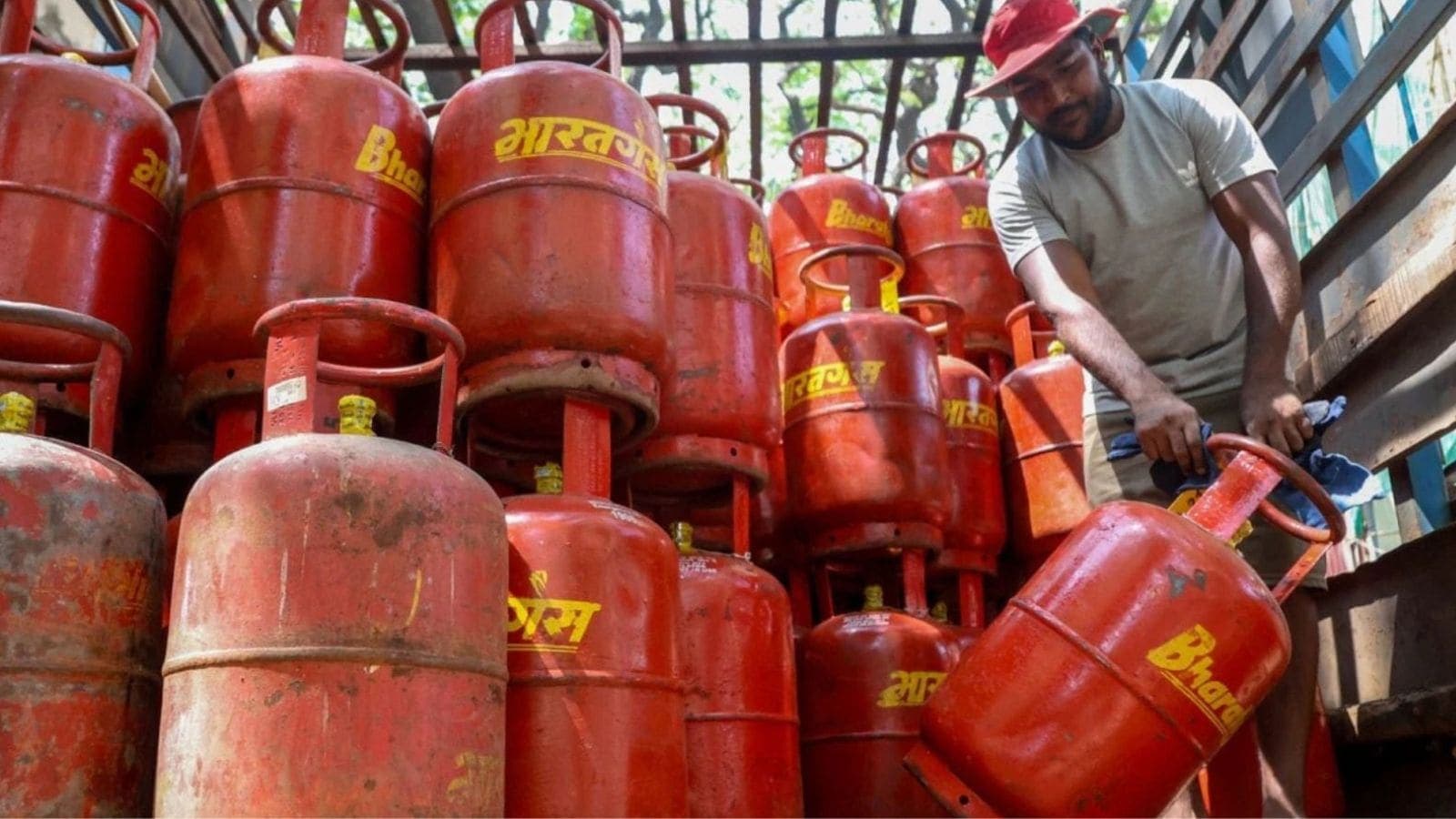
Commercial LPG prices have risen again, with increases of ₹42 in Delhi and ₹53.50 in Kolkata impacting businesses and consumers alike. Find out more.
Indian Express
Discover how a tragic coal mine explosion in Shanxi, China, reveals ongoing safety concerns in the industry amidst a push for green energy.
BBC Business
Montek Singh Ahluwalia highlights key economic challenges for India, emphasizing the need for a strategic approach to balance payments and investment.
Indian Express