
Image: Mint (Business)
Discover the latest LPG cylinder prices and insights amid ongoing geopolitical tensions. How will India manage domestic fuel needs? Click to find out!
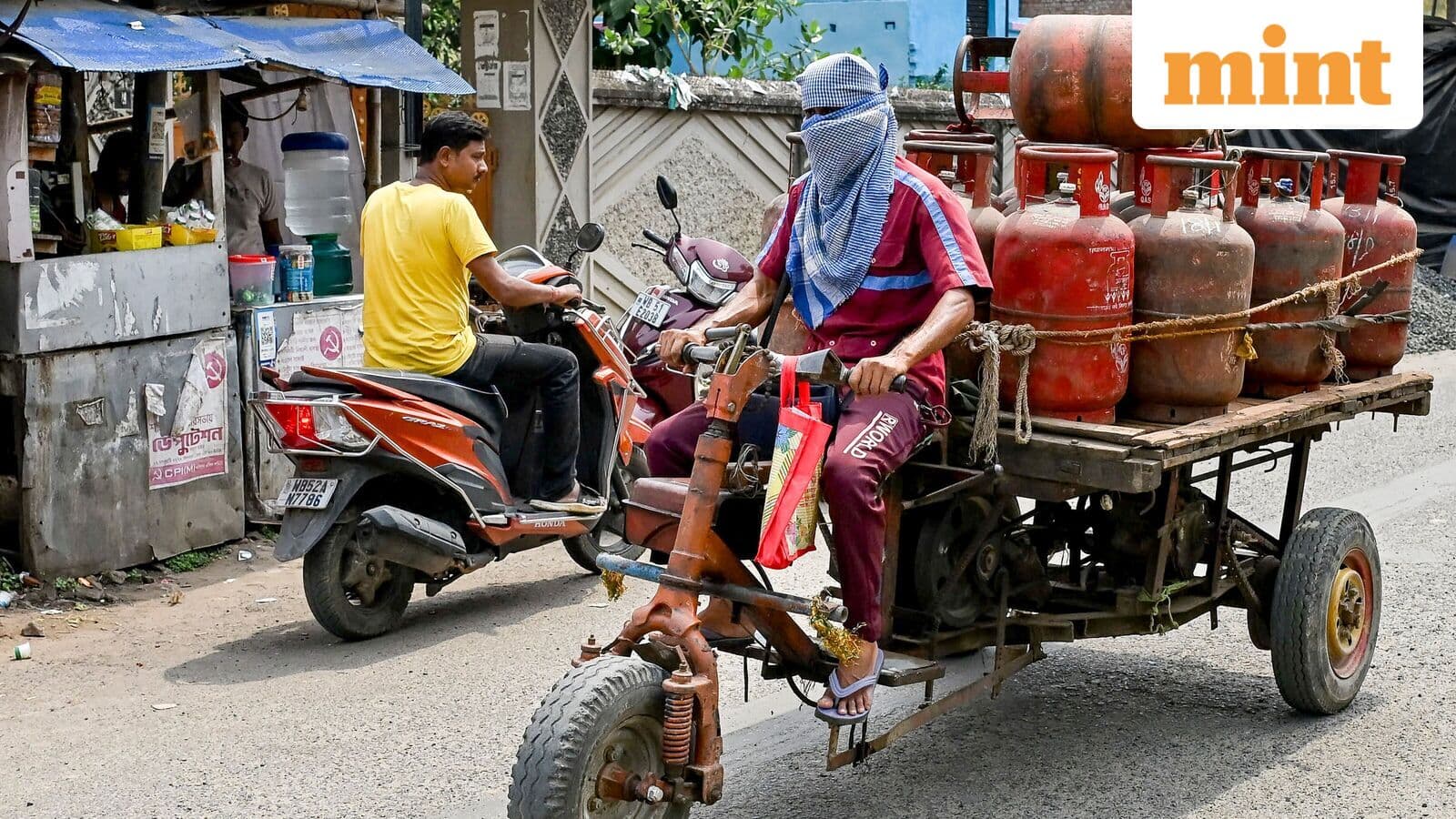
GlipzoAs the Iran conflict drags into its third week, India faces a noticeable cooking gas shortage due to a supply shock that has been exacerbated by geopolitical tensions. Despite the concerns, the Indian government assures citizens that the nation possesses sufficient crude oil and refined fuel stocks to meet local demand. This assurance is particularly crucial as India ranks as the third-largest oil importer and consumer globally, with a significant reliance on West Asian nations for its energy needs.
Over 40% of India's crude oil imports and a staggering 90% of its LPG (Liquefied Petroleum Gas) stem from countries like Saudi Arabia and Qatar. The Strait of Hormuz, a vital shipping route for these commodities, is currently facing blockages due to ongoing hostilities, prompting India to seek alternative supply routes. While there have been successful attempts to source oil from Russia and West Africa, these alternatives come at a higher cost due to increased freight and insurance charges.
In light of the ongoing crisis, the Indian government has prioritized domestic fuel supplies, particularly for household kitchens, while initially restricting supplies to commercial sectors like hotels. However, this restriction has since eased, with commercial establishments now receiving 20% of their usual LPG requirements.
In response to the supply disruptions, the Indian government recently announced a hike in the prices of both domestic and commercial LPG cylinders. As of early March, the cost of a 14.2 kg domestic cooking gas cylinder has risen by ₹60, while a 19 kg commercial cylinder now costs ₹144 more across major cities. Despite these price increases, no further revisions have been made since then.
#### Current Retail Prices by City
The following retail rates are currently effective in major cities across India: - Delhi: ₹1,000 for domestic, ₹2,100 for commercial - Mumbai: ₹1,020 for domestic, ₹2,150 for commercial - Bengaluru: ₹1,050 for domestic, ₹2,200 for commercial
These price variations across different states can be attributed to local Value Added Tax (VAT) and freight charges. However, it's important to note that beneficiaries of the Pradhan Mantri Ujjwala Yojana (PMUY)—a scheme that provides LPG connections to low-income households—are exempt from these price hikes, ensuring they continue to receive essential cooking gas.
In an official statement, Sujata Sharma, Joint Secretary in the Ministry of Petroleum and Natural Gas, emphasized the government's commitment to meeting domestic fuel demands before considering requests from neighboring countries, including Bangladesh, which are seeking additional supplies due to these ongoing geopolitical issues. "Rashtrahit Sarvopari (Nation First)," she stated, highlighting that the primary focus is on ensuring sufficient domestic availability before exporting any surplus.
In a bid to alleviate the pressure on cooking fuel availability, the government is actively promoting the rollout of piped natural gas (PNG) networks. States that accelerate these projects will see an increase in their commercial LPG supplies by 30%. This initiative aims to provide a more efficient and sustainable alternative to traditional LPG for both households and commercial establishments.
"LPG users should shift to PNG wherever there is a city gas distribution (CGD) network nearby," Sharma advised. The Ministry has reached out to state governments, offering to increase commercial LPG supplies by 10% if they expedite the approval process for laying pipelines. This includes granting deemed permissions for existing applications within a day and easing annual rental charges for pipeline projects.
As the situation in the Middle East continues to evolve, all eyes will be on how India navigates these challenges in the coming weeks. The government's focus on domestic fuel supply and the promotion of piped natural gas signifies a shift in strategy aimed at enhancing energy security and reducing reliance on volatile international markets.
The current LPG price hikes and shortages highlight the delicate balance India must maintain between meeting domestic needs and managing international relations. With a growing population and increasing energy demands, the government’s proactive measures to secure alternative energy sources will be crucial in ensuring stability in the country's energy landscape.
As geopolitical tensions persist, consumers can expect to see fluctuations in fuel prices and availability. Staying informed on these developments will be essential for households and businesses alike, as they navigate the impacts of global conflicts on local energy supplies.
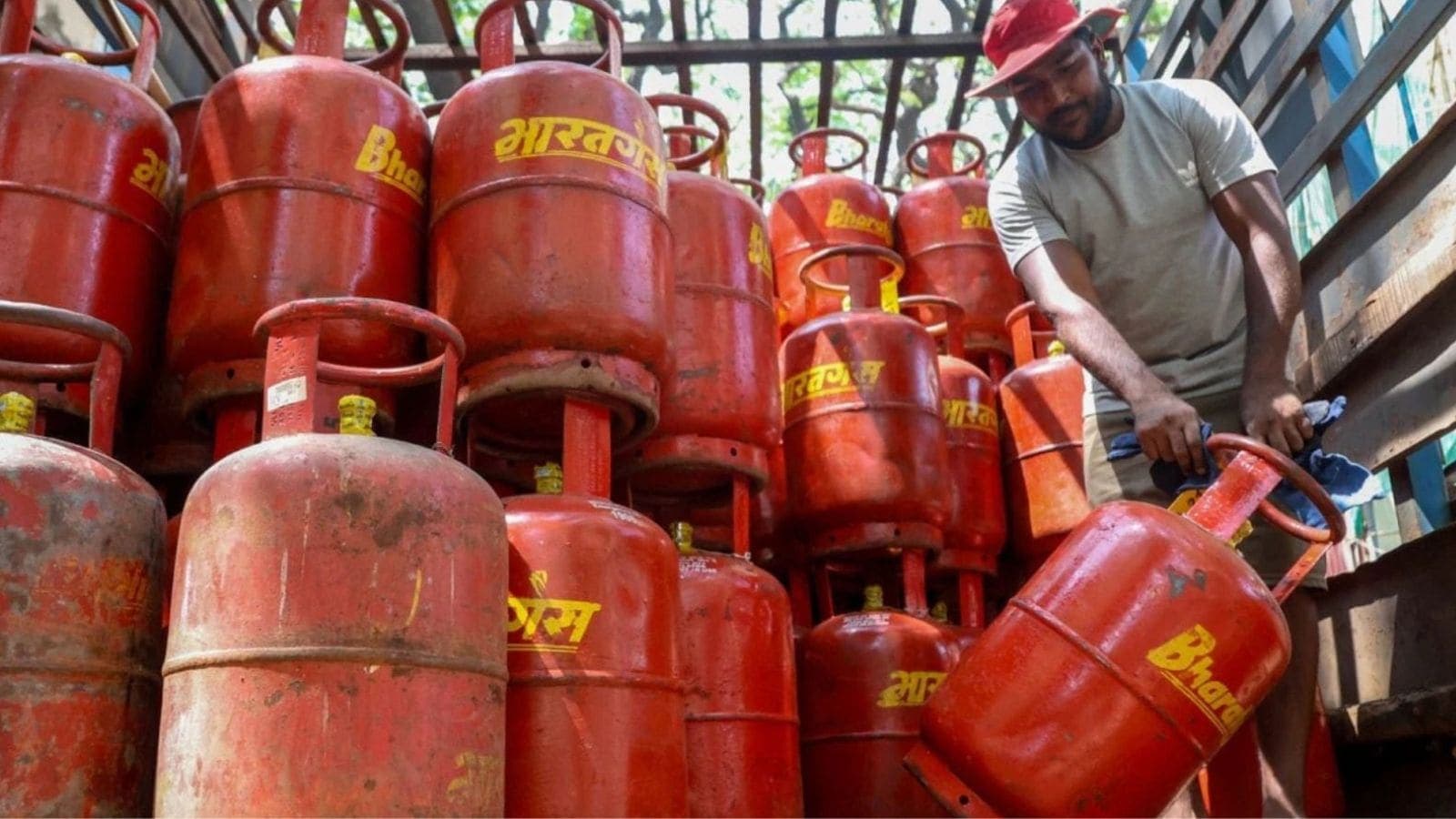
Commercial LPG prices have risen again, with increases of ₹42 in Delhi and ₹53.50 in Kolkata impacting businesses and consumers alike. Find out more.
Indian Express
Discover how a tragic coal mine explosion in Shanxi, China, reveals ongoing safety concerns in the industry amidst a push for green energy.
BBC Business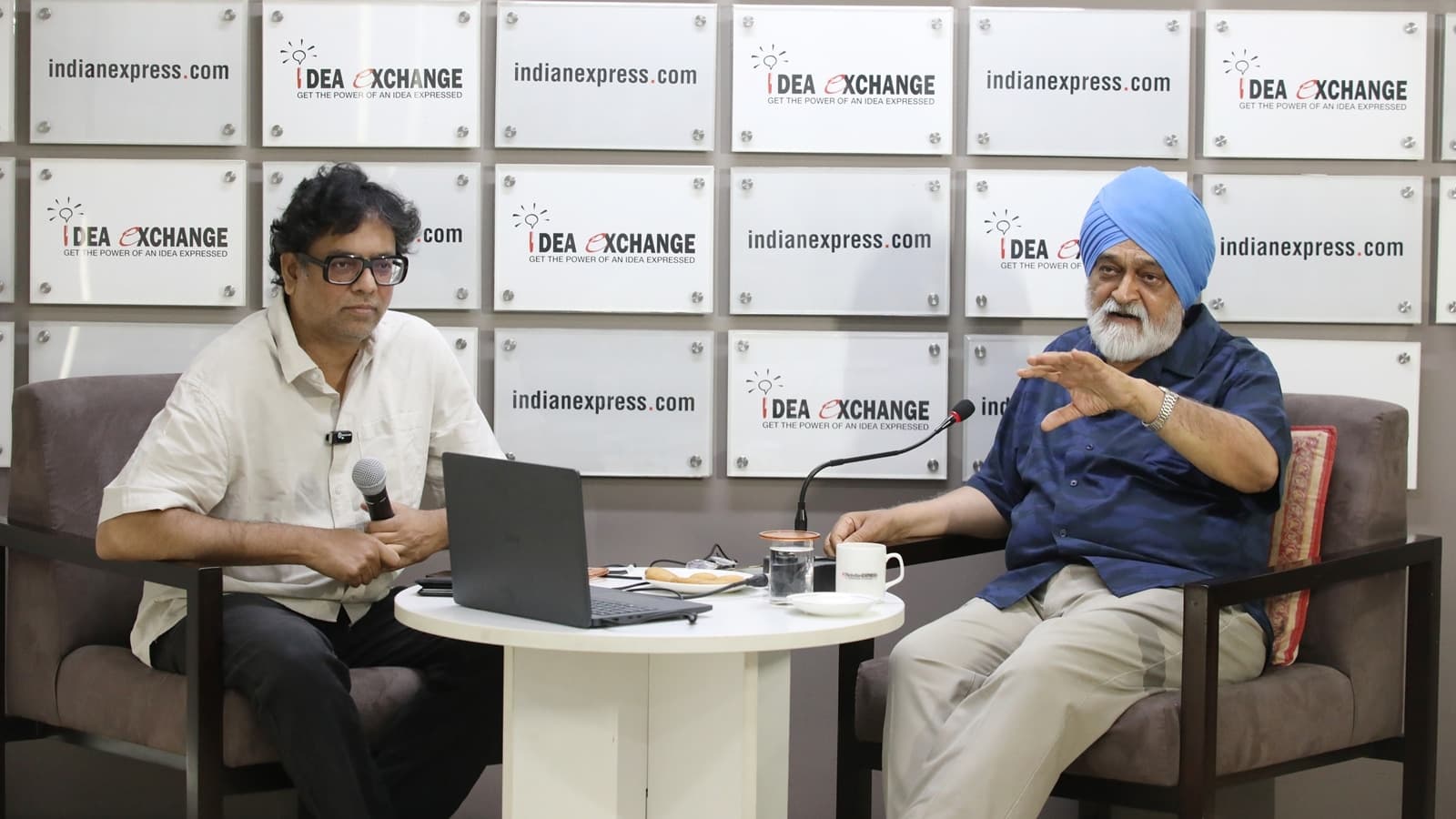
Montek Singh Ahluwalia highlights key economic challenges for India, emphasizing the need for a strategic approach to balance payments and investment.
Indian Express