
Image: Mint (Business)
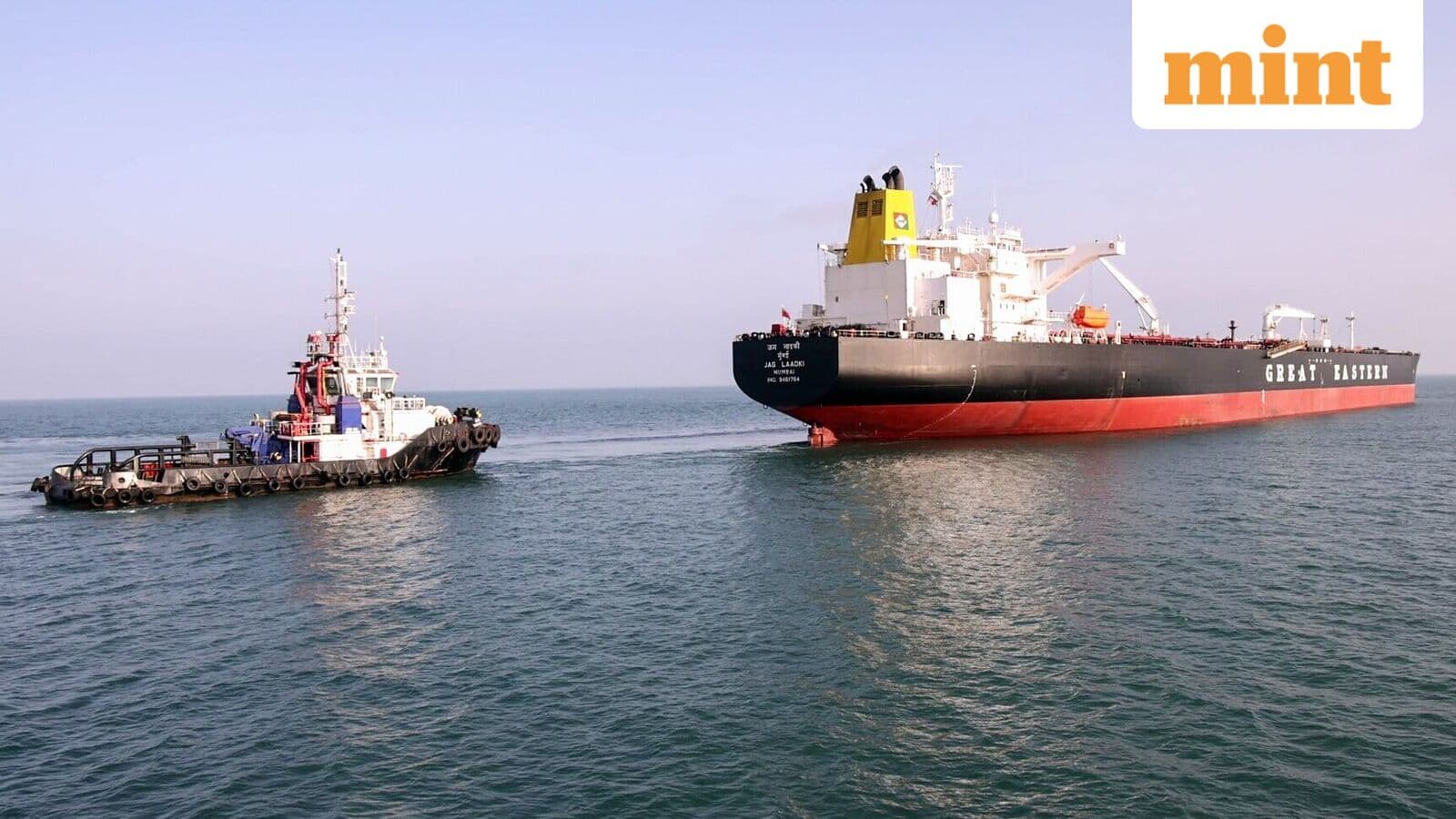
Indian tanker 'Jag Laadki' docks at Gujarat's Mundra Port, ensuring energy security amid West Asia conflict. Learn what this means for India's imports.
GlipzoThe Indian-flagged tanker 'Jag Laadki', loaded with approximately 80,886 metric tonnes of crude oil, successfully docked at Mundra Port in Gujarat on Wednesday, marking a pivotal moment in the ongoing crisis in West Asia. This vessel is notably the fourth to arrive in India amidst escalating tensions in the region and the second to call at the facilities managed by the Adani Group.
The crude oil aboard 'Jag Laadki' was sourced from the United Arab Emirates (UAE), specifically loaded at Fujairah Port. This delivery is critical as it supports the operations of major refineries in India, ensuring the country’s energy security during a time of significant supply disruptions.
In a statement, Adani Ports emphasized the significance of the tanker’s arrival, noting that it highlights the port’s essential role in managing substantial crude imports. The company stated, "This delivery supports major refinery relies on such shipments to maintain operations and bolster India's energy security during supply disruptions in the region."
The safe arrival of 'Jag Laadki' underscores the importance of maritime coordination in safeguarding essential energy supplies, especially given the recent drone and missile attacks at Fujairah Port amidst the ongoing conflict involving Israel, the US, and Iran. The geopolitical climate has made navigation through the Strait of Hormuz, a key transit route for global energy supplies, increasingly perilous.
The Strait of Hormuz has seen a blockade as tensions have escalated, impacting numerous vessels. Fortunately, the Indian maritime fleet has managed to navigate these dangers. The Indian Ministry of External Affairs reported that two other vessels, 'Shivalik' and 'Nanda Devi', successfully traversed the strait and docked at ports in Gujarat, further emphasizing the resilience of Indian shipping in these trying times.
India’s reliance on energy shipments from the Middle East cannot be overstated. The country is the world's fourth-largest buyer of LNG and the second-largest importer of LPG. Approximately 88% of India's crude oil, 50% of natural gas, and 60% of LPG are imported, primarily from Middle Eastern nations like Saudi Arabia and the UAE.
Before the recent escalation in conflict, more than half of India's crude imports were sourced from this region, with 30% of gas and 85-90% of LPG also originating from these countries. The geopolitical instability following the US-Israel attacks on Iran on February 28 and the subsequent retaliatory actions from Tehran have severely impacted these supply chains.
The situation has forced India to adapt by seeking alternative sources for crude oil, including imports from Russia, to mitigate the disruptions in energy supply. However, the curtailment of gas supplies has raised concerns amongst industrial users, and availability of LPG for commercial establishments has also been significantly reduced.
As the geopolitical landscape continues to evolve, the focus on securing energy supplies will be paramount for India. The successful docking of 'Jag Laadki' not only signifies a vital win for energy logistics but also demonstrates the importance of maritime safety protocols in conflict zones.
Looking forward, several key factors will impact India’s energy landscape: - Continued Monitoring of Regional Conflicts: As tensions in West Asia persist, the safety of maritime routes will remain a concern. - Strategic Diversification of Supply Sources: India may increasingly look towards alternative suppliers to reduce dependency on traditional sources in the Middle East. - Investment in Domestic Energy Production: To shield against external shocks, there may be a push towards enhancing domestic energy production capabilities.
In conclusion, as India navigates these turbulent waters, the role of maritime logistics and energy security will be critical in shaping the nation’s economic stability and resilience in the face of ongoing global challenges.
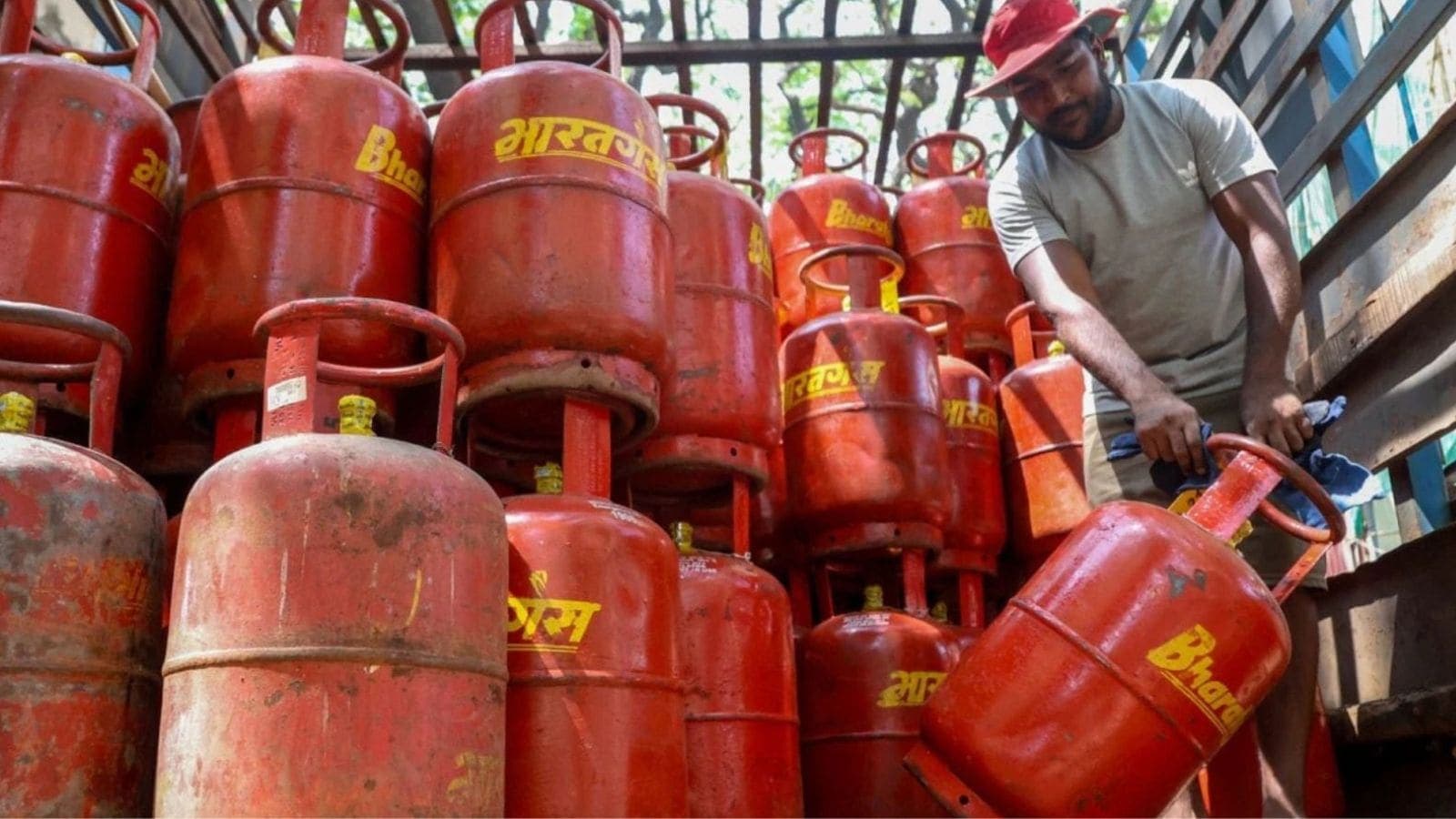
Commercial LPG prices have risen again, with increases of ₹42 in Delhi and ₹53.50 in Kolkata impacting businesses and consumers alike. Find out more.
Indian Express
Discover how a tragic coal mine explosion in Shanxi, China, reveals ongoing safety concerns in the industry amidst a push for green energy.
BBC Business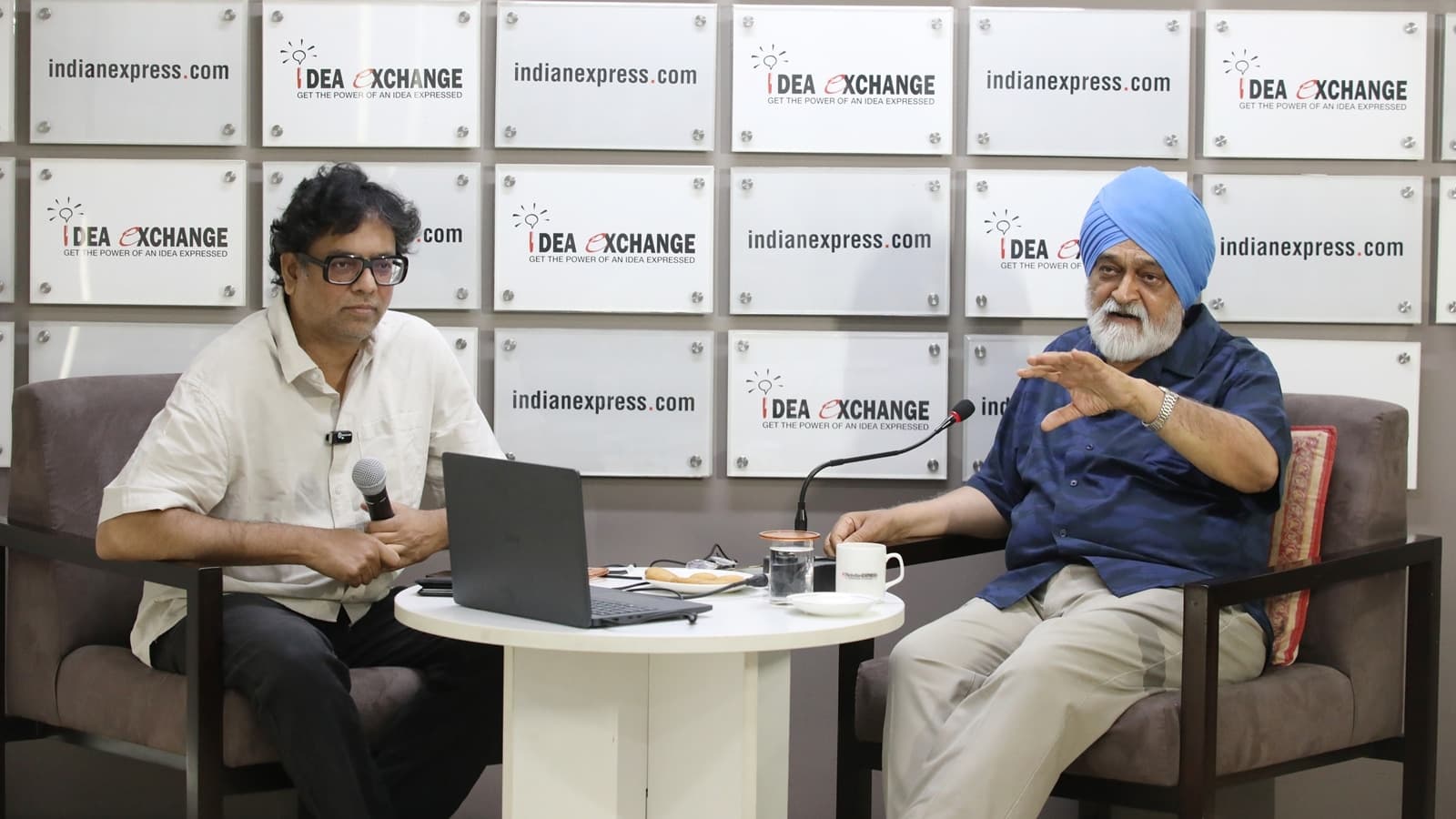
Montek Singh Ahluwalia highlights key economic challenges for India, emphasizing the need for a strategic approach to balance payments and investment.
Indian Express