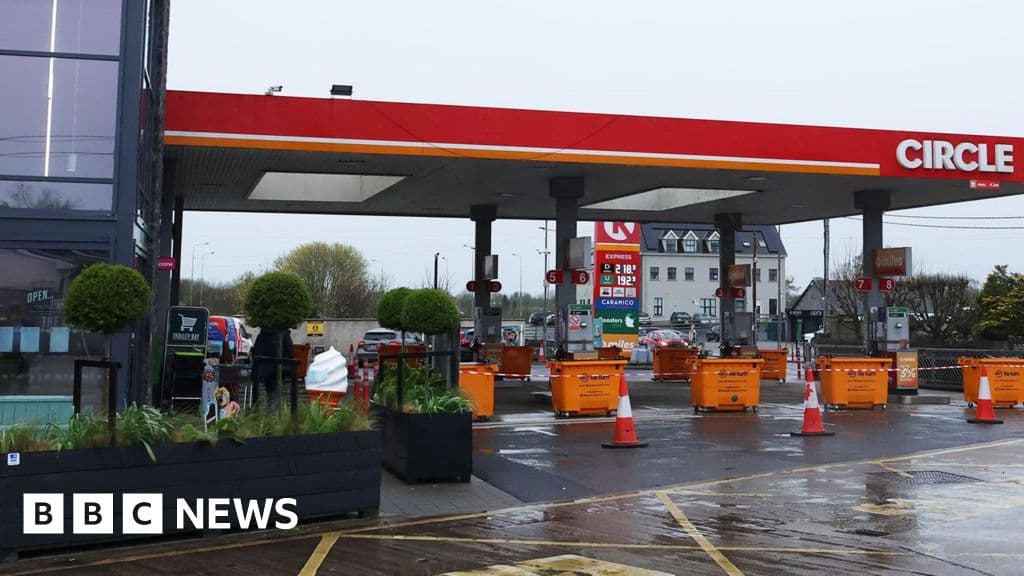
As fuel protests escalate in Ireland, a crucial cabinet meeting is set for Sunday. What does this mean for the nation? Click to find out!
Overview of the Fuel Crisis in Ireland
The **Taoiseach**, or Irish Prime Minister, **Micheál Martin**, announced a crucial cabinet meeting scheduled for **Sunday** to address the escalating fuel crisis that has gripped the nation. Protests and blockades, primarily involving slow-moving convoys of vehicles and farmers, have entered their fifth consecutive day. As a result, **hundreds of petrol stations** across the **Republic of Ireland** have run out of fuel, prompting urgent discussions among government officials and representatives from various sectors.
The unrest has led to significant disruptions, impacting not only fuel availability but also public transport and emergency services. With government ministers engaged in negotiations since Friday to finalize a new funding package aimed at alleviating the crisis, the situation remains tense and fluid.
Blockades and Government Response
On **Saturday**, fuel trucks managed to regain access to the **Whitegate Refinery** in **County Cork**, which had been under siege from protestors for several days. The **Gardaí** (Irish police) intervened with the assistance of the **Irish Defence Forces**, employing pepper spray to disperse demonstrators who were obstructing the movement of fuel trucks. According to **Garda Commissioner Justin Kelly**, a series of arrests were made during this enforcement operation, underscoring the seriousness of the situation.
Commissioner Kelly emphasized the illegality of the blockades, stating, "Blockades are not a legitimate form of protest." He warned that those involved in criminal activities, including the intimidation of fuel tanker drivers, could face severe legal repercussions, with potential sentences reaching 10 years for serious offenses. His message was clear: the blockades must come to an immediate halt, or the authorities will take decisive action.
A spokesperson for Iarnród Éireann (Irish Rail) warned that the situation could escalate dramatically by late Sunday or early Monday. Public transport has already experienced disruptions, with some services suspended, particularly in Dublin. Passengers traveling to Dublin Airport and Shannon Airport are being advised to allow for additional travel time due to the ongoing protests.
Emergency Measures and Public Safety
In response to the escalating fuel protests, **An Garda Síochána** has classified the situation as an "exceptional event," allowing them to double the number of available officers. The **National Emergency Coordination Group (NECG)**, consisting of various government departments and state agencies, is actively monitoring the crisis, particularly regarding fuel supplies for essential services like ambulances and fire departments, which are currently under increasing strain.
Taoiseach Martin warned that the blockades jeopardize the country’s fuel supply amid a global oil crisis. He stated that Ireland is "on the precipice of turning oil away from the country," highlighting the urgent need for a resolution.
The backdrop to these protests is a significant increase in oil prices, driven in part by ongoing geopolitical tensions in the Middle East. The closure of the Strait of Hormuz, a critical chokepoint for global oil trade, has disrupted approximately 20% of the world's oil supply, leading to soaring costs for diesel and petrol in Ireland. Diesel prices have surged from approximately €1.70 (£1.48) per liter to €2.17 (£1.89), while petrol prices have also risen sharply.
Why It Matters
The unfolding fuel crisis in Ireland is not just a domestic issue; it is reflective of broader geopolitical dynamics affecting global oil supplies. The protests highlight the critical intersection of economic pressures, public sentiment, and government response in times of crisis. As the Irish government seeks to navigate these turbulent waters, the outcome of the cabinet meeting on Sunday could have far-reaching implications for fuel prices and public sentiment.
Looking Ahead: What’s Next?
As the Irish cabinet prepares to convene, all eyes will be on the discussions and decisions made regarding the ongoing protests. The government’s ability to effectively address the fuel shortages and engage with protestors will be critical in determining the trajectory of this crisis. Moving forward, the outcomes of these discussions will be pivotal in shaping public sentiment and political stability in Ireland, particularly as the nation grapples with the broader impacts of rising fuel prices and geopolitical tensions.
Key Takeaways
- **Taoiseach Micheál Martin** has called for a cabinet meeting on Sunday to discuss the ongoing fuel crisis.
- Protests have led to **hundreds of petrol stations** running dry in Ireland.
- **Gardaí** have initiated enforcement actions against blockaders, emphasizing the illegality of their actions.
- The crisis is exacerbated by rising oil prices due to geopolitical tensions in the **Middle East**.
- The outcome of the cabinet meeting could significantly impact public sentiment and fuel supply in Ireland.