
Glipzo
WorldTechnologyBusinessSportsEntertainmentScienceHealthPolitics
Glipzo
WorldTechnologyBusinessSportsEntertainmentScienceHealthPolitics
  1. Home
  2. /
  3. Business
  4. /
  5. Critical Impacts of Iran Ceasefire on Fuel and Food Prices
Critical Impacts of Iran Ceasefire on Fuel and Food Prices

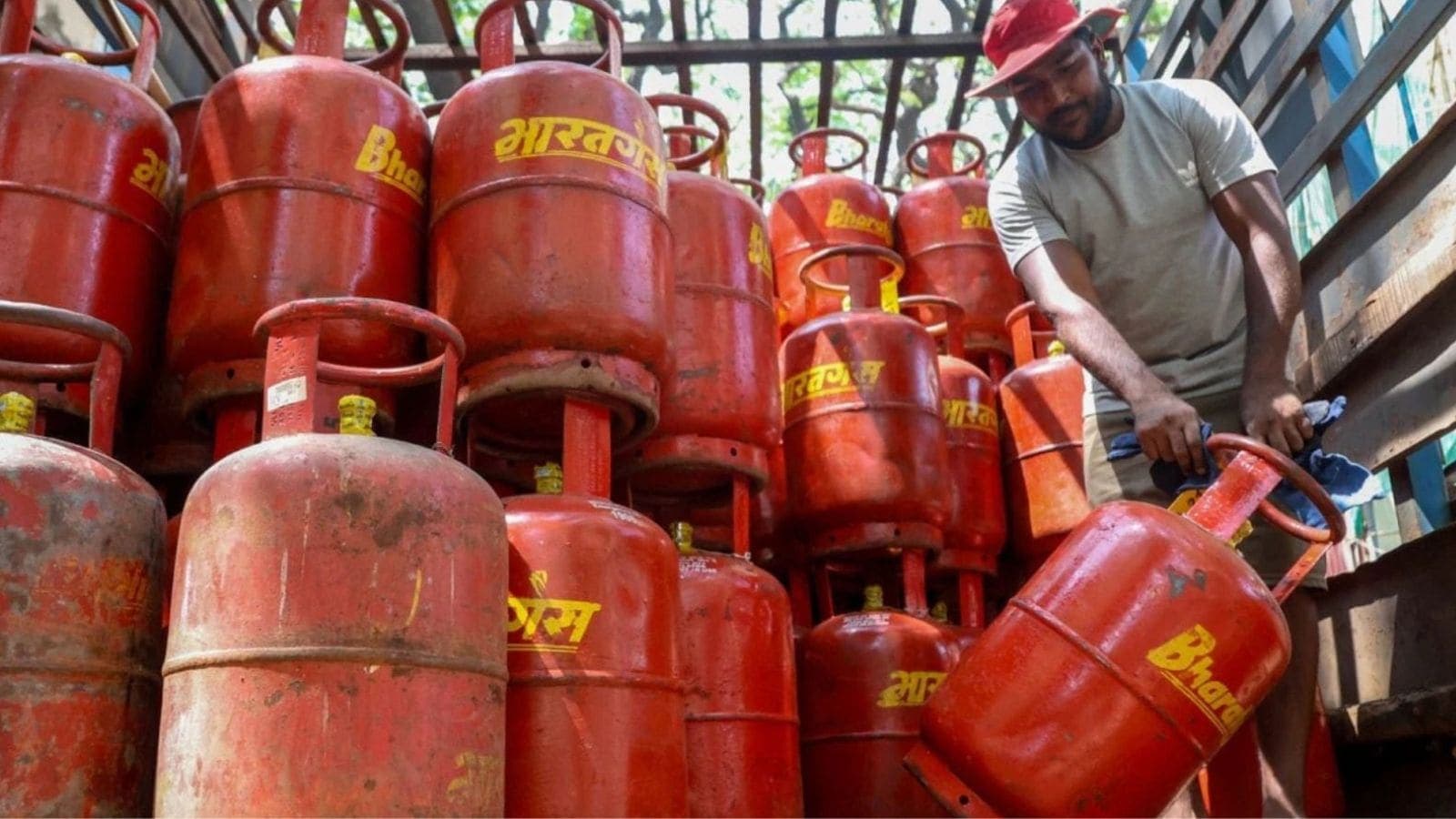
Image: BBC Business

Business
Thursday, April 9, 20265 min read

Critical Impacts of Iran Ceasefire on Fuel and Food Prices

Explore how Iran's ceasefire affects global fuel and food prices for months. Discover the potential long-term impacts on consumers and the economy.

Glipzo News Desk|Source: BBC Business
Share
Glipzo

Key Highlights

  • Fuel and food prices may remain high for months post-ceasefire.
  • Jet fuel costs have surged to double pre-war levels!
  • UK food inflation could reach 9% before the year ends.
  • Households face rising energy costs as price cap resets in July.

In this article

  • Global Markets React to Ceasefire News Recent developments surrounding a **two-week ceasefire in Iran** have sent a wave of relief through global markets, prompting stock prices to soar and causing **crude oil prices** to tumble. However, the optimism surrounding these events may be short-lived as concerns grow about the long-term ramifications on fuel and food costs. **Analysts** warn that lasting damage may have already set the stage for prolonged financial strain on households.
  • Uncertainty Looms Over Fuel Prices Despite the recent dip in crude oil prices, consumers should not expect immediate relief at the gas pumps. According to the **RAC’s head of policy, Simon Williams**, prices remain elevated compared to pre-war levels, and the best-case scenario for drivers may be to see prices stabilize rather than decrease. Williams emphasizes that the trajectory of pump prices will highly depend on the ongoing stability of the ceasefire and the ability to freely navigate through the **Strait of Hormuz**.
  • Jet Fuel Prices Remain High In addition to fluctuating crude oil prices, **jet fuel costs** have skyrocketed to nearly double their pre-war levels. **Willie Walsh**, the CEO of the **International Air Transport Association (IATA)**, indicates that even with potential resumption of traffic through the Strait, it could take months for jet fuel supplies to normalize. As a result, airline passengers should brace for higher ticket prices, with some airlines already raising fares or cutting routes in response to rising operational costs.
  • Fertilizer Prices and Agricultural Impact The effects of the ongoing conflict extend beyond fuel costs, affecting agricultural sectors as well. Approximately **one-third of the world’s fertilizer** usually transits through the **Strait of Hormuz**, and recent disruptions have caused prices to skyrocket. This rise has a direct impact on food transport costs within the UK, as farmers grapple with increased diesel prices for their machinery and higher energy costs for greenhouse operations.
  • Energy Price Cap and Household Impact While the **Ofgem price cap** has offered some protection to households from the spike in wholesale energy prices, the cap is set to reset for three months in July, leaving many experts anticipating a significant increase in costs. The government has signaled that support will be contingent on household income, but there is uncertainty surrounding the timing of this assistance.
  • Looking Ahead: What to Expect In summary, while the ceasefire in Iran offers a glimmer of hope, the reality is that **fuel and food prices** are likely to remain elevated for the foreseeable future. With supply chains still recovering and many variables at play, consumers should prepare for ongoing financial strain as the ramifications of recent events unfold.

Global Markets React to Ceasefire News Recent developments surrounding a **two-week ceasefire in Iran** have sent a wave of relief through global markets, prompting stock prices to soar and causing **crude oil prices** to tumble. However, the optimism surrounding these events may be short-lived as concerns grow about the long-term ramifications on fuel and food costs. **Analysts** warn that lasting damage may have already set the stage for prolonged financial strain on households.

For weeks, the Strait of Hormuz, a vital route for oil and gas shipments, has faced significant disruptions due to ongoing conflicts. This blockade has effectively halted the movement of essential commodities like oil, liquid natural gas, and fertilizers. As a result, even if lasting peace is achieved quickly, experts believe that it will take months to restore production levels and stabilize supply chains.

Uncertainty Looms Over Fuel Prices Despite the recent dip in crude oil prices, consumers should not expect immediate relief at the gas pumps. According to the **RAC’s head of policy, Simon Williams**, prices remain elevated compared to pre-war levels, and the best-case scenario for drivers may be to see prices stabilize rather than decrease. Williams emphasizes that the trajectory of pump prices will highly depend on the ongoing stability of the ceasefire and the ability to freely navigate through the **Strait of Hormuz**.

  • **Key Factors Affecting Fuel Prices:**

Moreover, smaller independent gas stations that purchase oil at current market rates may respond faster to price changes than larger chains, according to Williams. However, a sustained decrease in prices over several weeks is necessary to meaningfully lower wholesale fuel costs.

Jet Fuel Prices Remain High In addition to fluctuating crude oil prices, **jet fuel costs** have skyrocketed to nearly double their pre-war levels. **Willie Walsh**, the CEO of the **International Air Transport Association (IATA)**, indicates that even with potential resumption of traffic through the Strait, it could take months for jet fuel supplies to normalize. As a result, airline passengers should brace for higher ticket prices, with some airlines already raising fares or cutting routes in response to rising operational costs.

The refining process for jet fuel also poses additional challenges, as some facilities have sustained damage from the conflict, compounding the supply issues. Rachel Winter, from Killik & Co, cautions that it may take several weeks or even months before consumers see any significant drop in prices at the pump.

Fertilizer Prices and Agricultural Impact The effects of the ongoing conflict extend beyond fuel costs, affecting agricultural sectors as well. Approximately **one-third of the world’s fertilizer** usually transits through the **Strait of Hormuz**, and recent disruptions have caused prices to skyrocket. This rise has a direct impact on food transport costs within the UK, as farmers grapple with increased diesel prices for their machinery and higher energy costs for greenhouse operations.

Dr. Liliana Danila, chief economist at the Food and Drink Federation, highlights the ongoing uncertainty in supply chains, stating that even with a ceasefire, recovery may take between six months to a year. Manufacturers are expected to continue facing challenges due to disruptions in the supply of oil, gas, fertilizers, and essential materials, thereby keeping costs under pressure for an extended period.

  • **Projected Impacts on Food Prices:**

Energy Price Cap and Household Impact While the **Ofgem price cap** has offered some protection to households from the spike in wholesale energy prices, the cap is set to reset for three months in July, leaving many experts anticipating a significant increase in costs. The government has signaled that support will be contingent on household income, but there is uncertainty surrounding the timing of this assistance.

As we approach the reset date, households are left in a precarious situation, with financial pressures mounting from multiple fronts—including rising fuel and food costs. The potential for inflation to continue escalating makes it imperative for consumers to stay informed about market developments.

Looking Ahead: What to Expect In summary, while the ceasefire in Iran offers a glimmer of hope, the reality is that **fuel and food prices** are likely to remain elevated for the foreseeable future. With supply chains still recovering and many variables at play, consumers should prepare for ongoing financial strain as the ramifications of recent events unfold.

  • **Future Considerations:**

In light of these challenges, it will be crucial for consumers, businesses, and policymakers to navigate these turbulent waters carefully and remain adaptable to the evolving economic landscape.
Did you find this article useful? Share it!

Share

Related Articles

Major Guilty Plea: Evergrande's Founder Admits Fraud Charges
Business
Apr 14, 2026

Major Guilty Plea: Evergrande's Founder Admits Fraud Charges

Evergrande founder Hui Ka Yan pleads guilty to fraud amid the company's collapse, impacting China's property sector. What does this mean for the future?

BBC Business
Sonu Nigam Sells Rs 1.95 Crore Agricultural Land in Raigad
Business
Apr 14, 2026

Sonu Nigam Sells Rs 1.95 Crore Agricultural Land in Raigad

Sonu Nigam's sale of Rs 1.95 crore agricultural land in Raigad reveals growing interest in rural real estate and agri-tourism. Discover the details!

Bollywood Hungama
Oil Prices Fall Amid Renewed US-Iran Peace Negotiations
Business
Apr 14, 2026

Oil Prices Fall Amid Renewed US-Iran Peace Negotiations

Oil prices dip as US-Iran peace talks gain traction. Discover how these developments could impact global energy markets and economic stability.

BBC Business

Categories

  • World
  • Technology
  • Business
  • Sports

More

  • Entertainment
  • Science
  • Health
  • Politics

Explore

  • Web Stories
  • About Us
  • Contact

Legal

  • Privacy Policy
  • Terms of Service

© 2026 Glipzo. All rights reserved.