

Image: Times of India
Discover how the Iran conflict is reshaping India's economy beyond oil, affecting diamonds, fertilizers, and trade relationships. What’s next for India?
GlipzoThe ongoing conflict in Iran is sending ripples through the global economy, and India is no exception. As tensions escalate, the implications extend far beyond oil and gas, affecting various sectors, including diamonds, fertilizers, and other essential commodities. This article explores how geopolitical dynamics intertwine with India's economic landscape, reshaping trade relationships and market strategies.
The situation in Iran, particularly its fraught relations with the West and neighboring countries, poses significant challenges for the global marketplace. With India being one of the largest consumers of oil in the world, any disruption in Iranian oil exports could lead to volatile prices and supply shortages.
As the conflict intensifies, it is essential for Indian policymakers and businesses to prepare for potential disruptions in oil imports, which could have a cascading effect on various sectors.
While oil and gas are the most immediate concerns, the Iranian conflict also threatens other significant sectors that are vital to India's economy. Notably, industries such as jewelry, fertilizers, and chemicals are at risk due to their reliance on imports from the region.
The intersection of these industries with the Iranian conflict underscores the need for India to diversify its supply chains and strengthen domestic production capabilities.
India's trade relationships are poised for significant shifts as a result of the Iranian conflict. The Indian government may need to reconsider its trade strategies and partnerships to mitigate risks associated with Iranian sanctions.
Furthermore, the conflict may also open doors for India to strengthen ties with nations affected by the turmoil, enhancing diplomatic and economic cooperation in the process.
Understanding the implications of the Iran conflict is crucial for multiple reasons. Economically, the stability of oil prices has a direct correlation with inflation, employment, and investment levels in India. Moreover, as a significant player in the global market, India’s response to the crisis can influence its diplomatic standing and trade dynamics.
As the world watches the situation in Iran unfold, it’s essential for business leaders and policymakers in India to remain agile and proactive in navigating these challenges.
In facing the potential upheaval caused by the Iranian conflict, India must adopt a multi-faceted approach to safeguard its economic interests. Here’s what to watch for in the coming months:
In conclusion, while the Iranian conflict presents immediate challenges for India, it also offers a pivotal moment for reassessing trade dependencies and reinforcing local industries. The unfolding situation will demand vigilance and strategic foresight to ensure economic stability and growth in the face of geopolitical uncertainties.
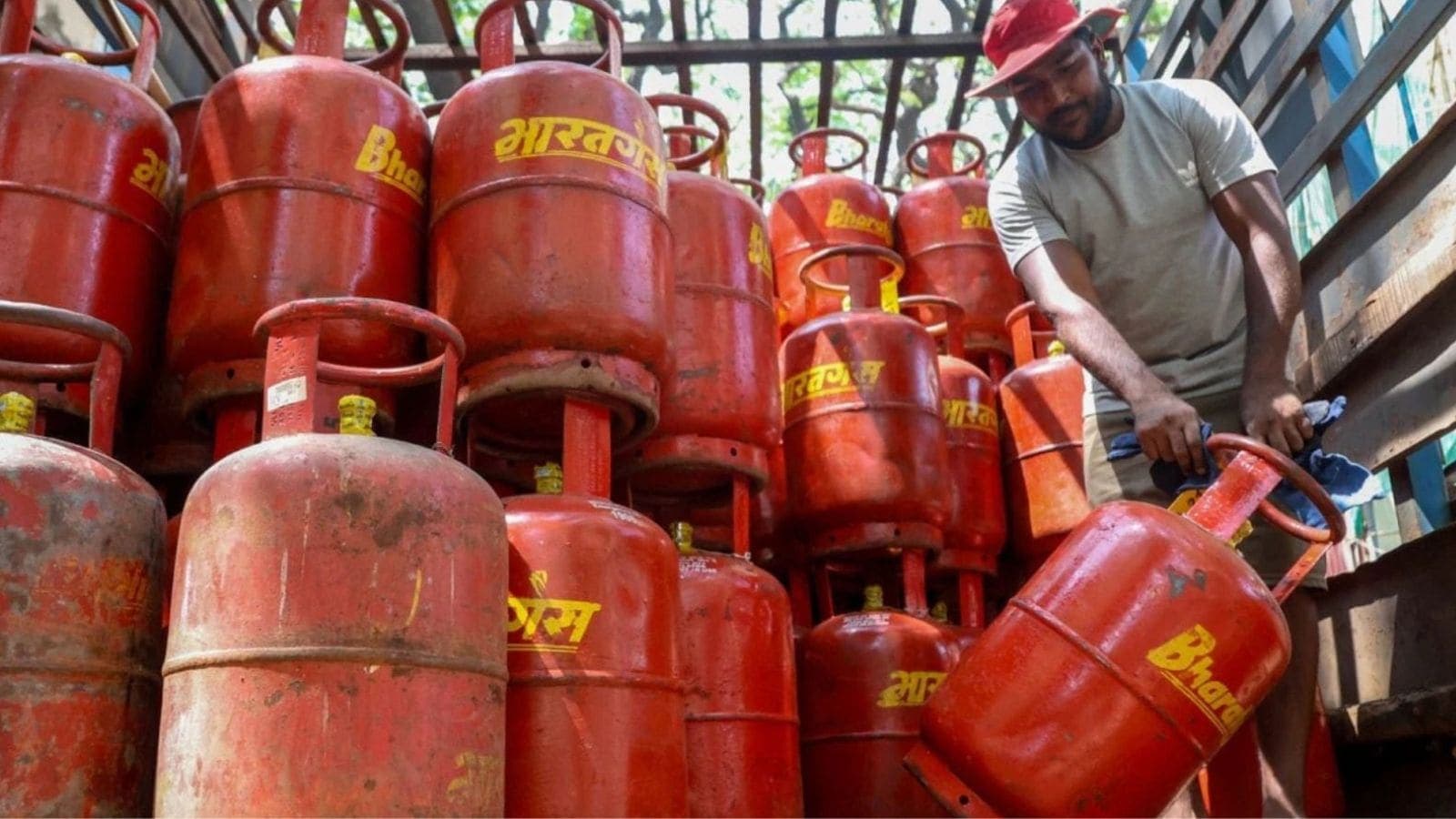
Commercial LPG prices have risen again, with increases of ₹42 in Delhi and ₹53.50 in Kolkata impacting businesses and consumers alike. Find out more.
Indian Express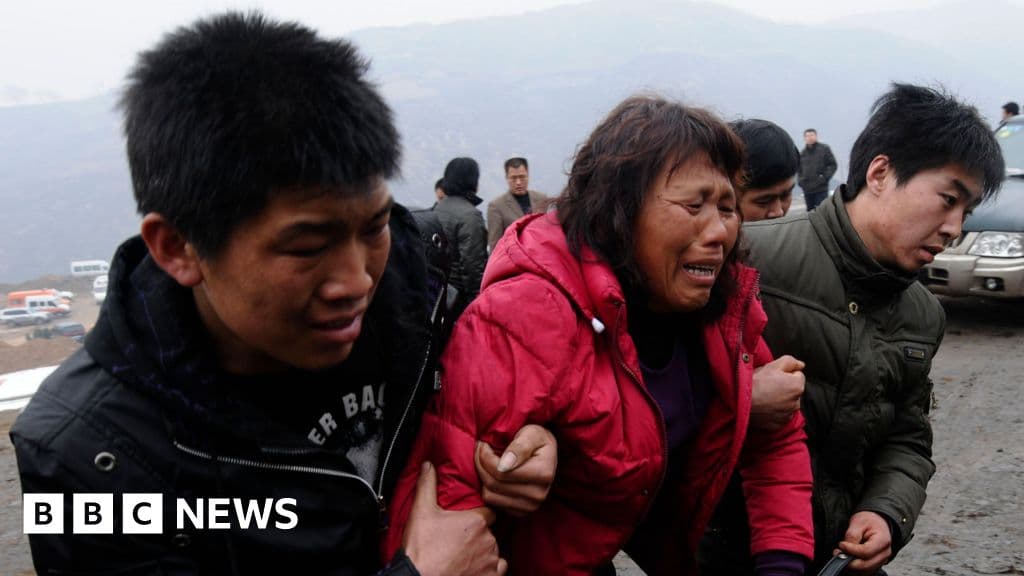
Discover how a tragic coal mine explosion in Shanxi, China, reveals ongoing safety concerns in the industry amidst a push for green energy.
BBC Business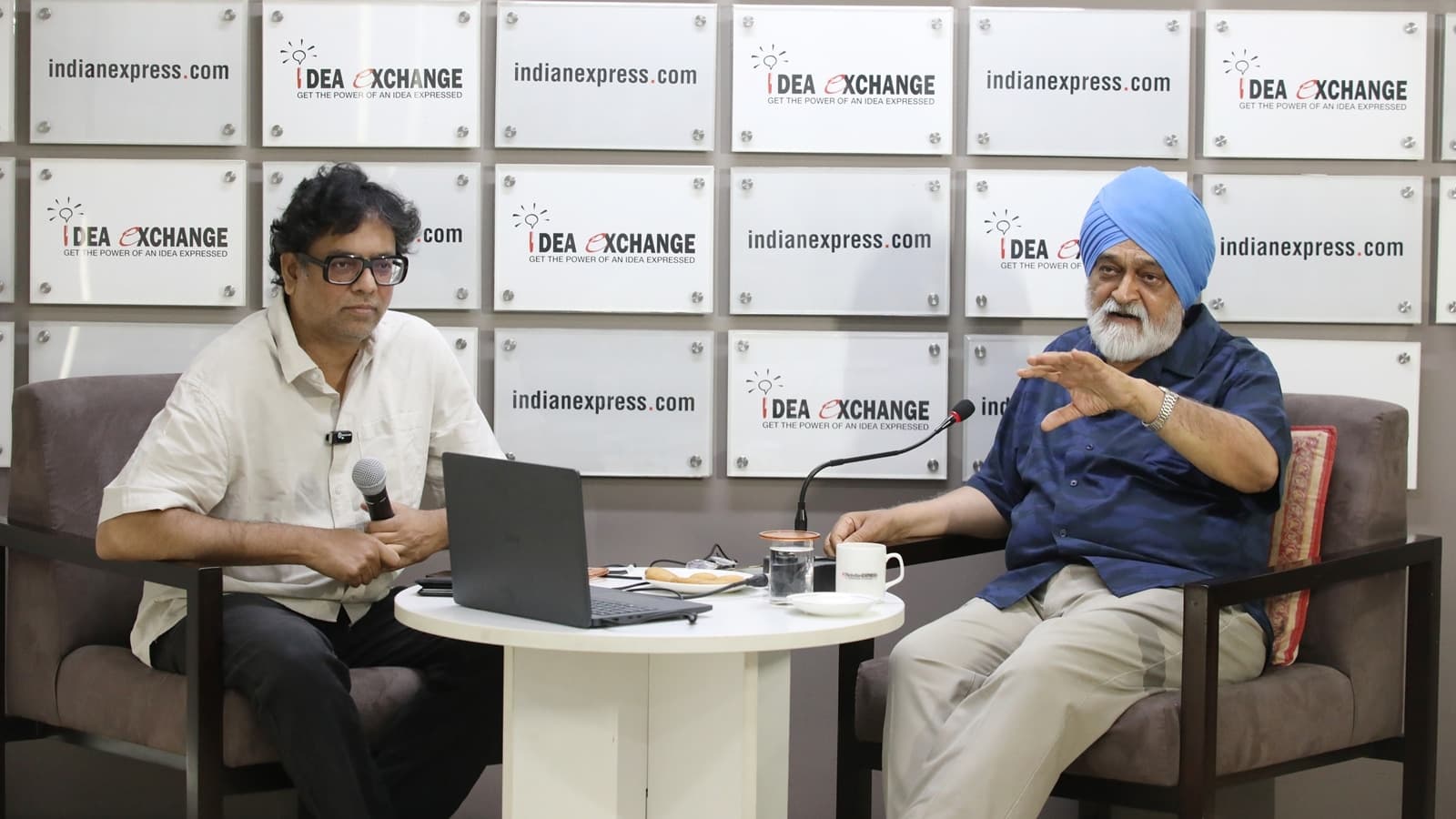
Montek Singh Ahluwalia highlights key economic challenges for India, emphasizing the need for a strategic approach to balance payments and investment.
Indian Express