
Image: BBC World
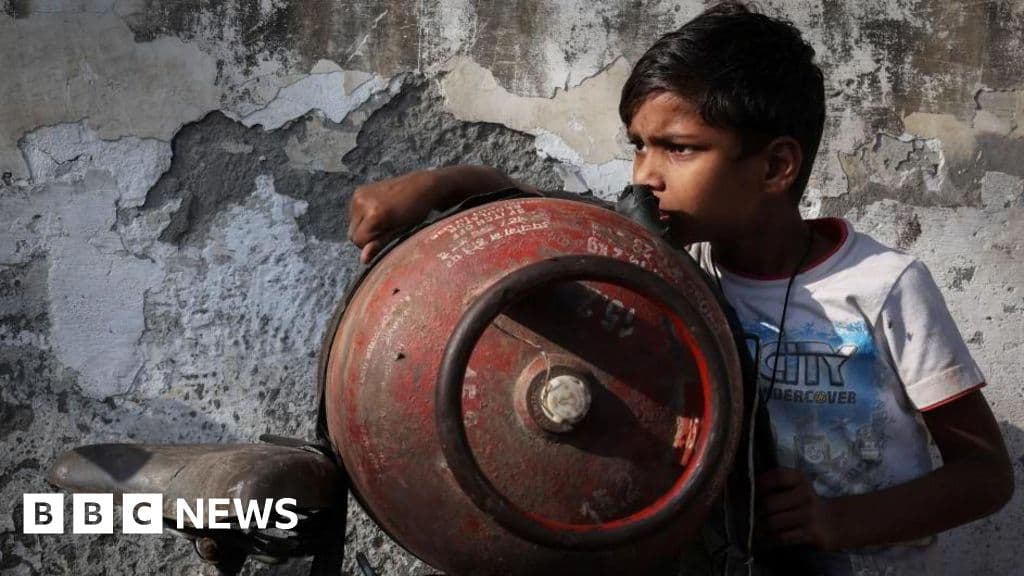
A critical fuel crisis in Asia sparks national emergencies as the Iran war disrupts oil supplies. Discover how it's affecting daily lives and economies.
GlipzoThe Strait of Hormuz, a crucial maritime passage for global oil, is facing significant disruptions due to the ongoing conflict between the United States, Israel, and Iran that escalated in late February. As tensions rise and military actions continue, the implications are being felt far beyond the immediate region, especially in Asia, where approximately 90% of the oil and gas that traverses this waterway is destined.
In the wake of the conflict, global oil prices have surged, causing stock markets to react with volatility as investors remain uncertain about when the strait will reopen. Currently, the number of vessels permitted to navigate through this vital route has sharply decreased, raising concerns about energy supply stability for nations that heavily rely on these shipments.
The consequences of this crisis are palpable across various sectors in Asia. Governments are compelled to implement drastic measures to conserve fuel and energy supplies. Here are some of the notable actions being taken:
Even China, which boasts reserves sufficient for three months of imports, is not immune. The nation is facing a 20% increase in fuel prices, forcing officials to limit price hikes to cushion the blow to its citizens.
The conflict, despite being thousands of kilometers away, has prompted citizens in countries like the Philippines to voice their concerns about the escalating crisis and its direct effects on their livelihoods.
On Tuesday, the Philippines declared a national emergency due to the potential instability in its energy supply linked to the conflict in Iran. Among the groups hardest hit are jeepney drivers, who are experiencing drastic income reduction. Carlos Bragal Jr., a jeepney driver, revealed that his daily earnings have plummeted from 1,200 pesos (about $19.92) for a full shift to a mere 200-500 pesos (around $3.31-$8.27).
Carlos, who has supported his daughters through school with his earnings, expressed his distress, stating:
> "If this continues, it will definitely kill us and our family."
His story is not unique; farmers and fishermen are also grappling with soaring fuel costs, leading some vegetable farmers in Bulacan to halt planting altogether. Although the government has offered cash assistance, many feel it is insufficient to cover their urgent needs. Carlos lamented that the funds provided would only last two days, leaving them in a precarious position.
Creative responses to the crisis are emerging, such as the initiative taken by Sirima Songklin, a seasoned news presenter at Thai PBS. In a symbolic gesture to promote energy conservation, she and her colleagues removed their blazers on air, encouraging viewers to dress appropriately for the heat and reduce energy usage. Sirima emphasized:
> "It's unbelievable that something so small could reflect the clear impact of the current conflict [in the Middle East] on us."
In addition to this, Thailand has implemented a series of energy-saving directives, including recommendations to set air conditioning units to 26-27°C and work-from-home setups for government agencies, suggesting a proactive approach to managing the crisis.
The irony of the crisis is underscored in Sri Lanka, where citizens are facing a unique predicament. Dimuthu, a resident of Colombo, shared the stark contrast his country faces:
> "During the previous time, the country did not have money to buy fuel. Now, the country has money, but there is no fuel for us to buy."
Having recently emerged from a severe financial crisis that left it unable to secure foreign reserves, Sri Lanka is now dealing with a lack of available fuel despite having the financial means to purchase it. This highlights the broader implications of the conflict, where financial solvency does not equate to fuel accessibility.
The unfolding crisis stemming from the Iran conflict is a stark reminder of how interconnected the global economy is, particularly in the energy sector. As oil prices continue to fluctuate, the ripple effects are hitting hard in Asia, impacting everyday lives and livelihoods. From jeepney drivers in the Philippines to farmers in Thailand, many are left grappling with the unforeseen consequences of a war that feels distant yet profoundly close.
As the situation evolves, it remains crucial to monitor developments in the Strait of Hormuz and the geopolitical landscape surrounding the Iran conflict. The following are some key points to watch:
In conclusion, while the geographical distance may shield some from the immediate impacts of the Iran war, the effects on daily life in Asia are undeniable and warrant attention as the crisis unfolds.
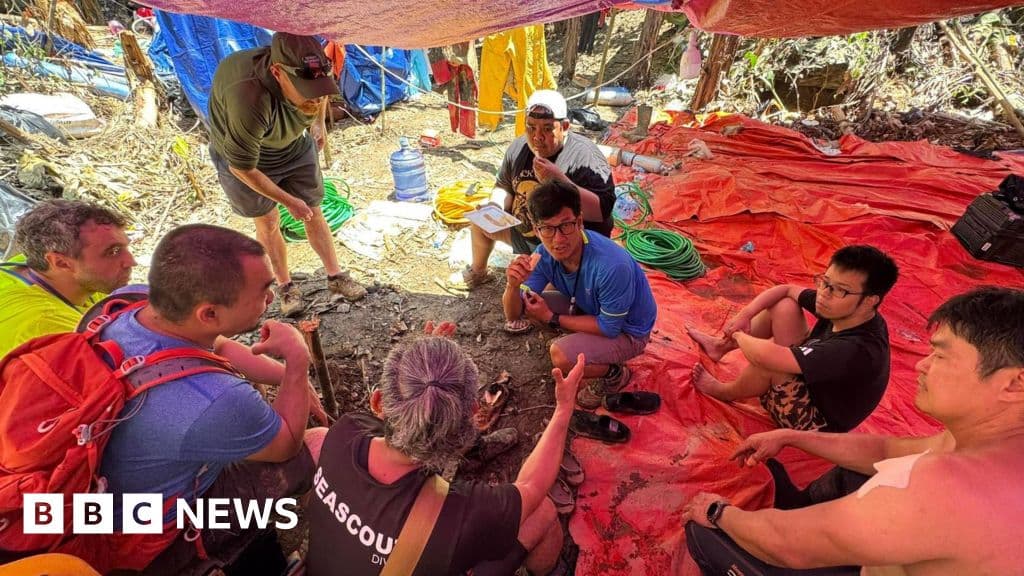
Survivors of the Laos cave rescue are aiding efforts to find the last two missing men trapped inside, sharing crucial insights for the search operation.
BBC World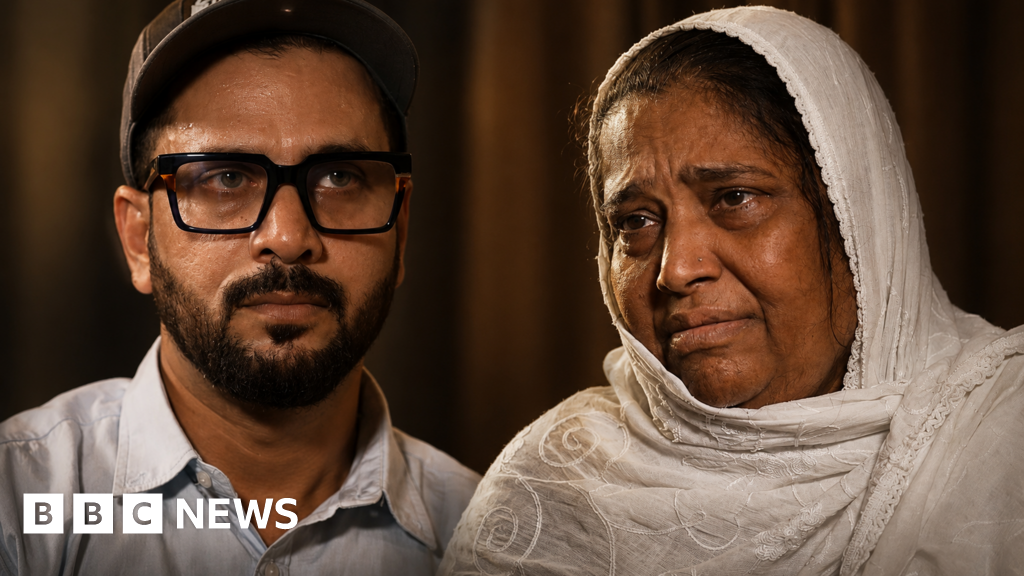
A year after the tragic Air India crash, the Ali family reflects on grief, unanswered questions, and the enduring bonds of love in the face of loss.
BBC Business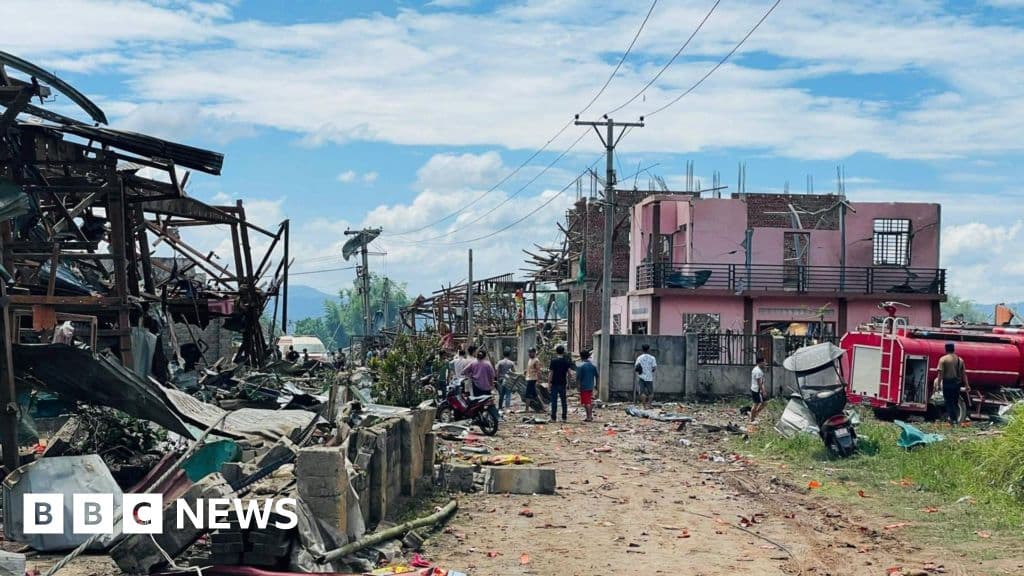
A devastating explosion in Myanmar's Kaung Tat village has killed at least 55 people, raising serious safety concerns and questions about civilian protection in conflict zones.
BBC World