

Image: Indian Express
The investigation into the Dokadia family's tragic deaths is hindered by inadequate food sample collection, complicating the search for answers. What’s next?
GlipzoIn a shocking incident that has drawn the attention of both local and national authorities, four members of the Dokadia family tragically lost their lives in Mumbai’s Pydhonie area on April 27. The victims include Abdullah Dokadia (40), his wife Naseem (35), and their two daughters, Ayesha (16) and Zainab (13). The family reportedly fell ill after consuming watermelon late that night, succumbing to severe symptoms such as vomiting and rapid deterioration within hours. As investigations unfold, the Food and Drug Administration (FDA) faces significant hurdles in determining the precise cause of death due to inadequate food sample quantities collected from the residence.
The FDA's efforts to conduct microbiological analysis have been severely hampered because of insufficient samples. Officials indicate that the food items, particularly the watermelon, were collected in quantities that do not meet the General Guidelines on Sampling for Microbiological Analysis. This guideline mandates that samples must be sent to three different laboratories, each requiring five parts of the sample, amounting to a total of 15 sample portions, with each portion needing a minimum weight of 125 grams.
The Dokadia case underscores the critical importance of adhering to sampling guidelines in food safety investigations. Unfortunately, the samples collected from the Dokadia residence were significantly below the required volume. Water samples were only available in small millilitres, while the quantity of spices collected was negligible. As an official noted, “A letter was sent to the labs asking them to conduct microbiological tests, but they informed us that due to insufficient quantity, laboratories could not carry out microbiological analysis.” This revelation raises serious concerns about the efficacy of food safety protocols when faced with potential food poisoning incidents.
The standard procedure for such cases involves collecting samples in four parts: one part is submitted for primary analysis, while the remaining portions are retained by the Assistant Commissioner of the FDA for legal purposes. However, for microbiological testing, a larger number of portions is crucial to enable comprehensive testing across multiple laboratories. The lack of adequate samples could ultimately hinder the investigation's ability to pinpoint the cause of the deaths.
As investigators work diligently, preliminary findings from Sir J. J. Hospital indicate that a final cause of death has yet to be determined. The histopathological examination is still pending, meaning that medical professionals have reserved their opinions until all relevant reports are completed. This delay in obtaining conclusive results is particularly concerning for the grieving family and the broader community, who are left in the dark about the potential dangers linked to food safety in their area.
Microbiological analysis is essential in suspected food poisoning cases, as it can identify harmful pathogens such as bacteria, viruses, or toxins that may not be detectable through routine chemical analysis. Officials emphasize that such testing is crucial to ascertain whether contamination occurred during the handling, storage, or preparation of food. The absence of this analysis complicates efforts to confirm foodborne infection as the source of the tragedy.
The unfortunate deaths of the Dokadia family raise significant questions about food safety regulations and protocols in Mumbai and beyond. With foodborne illnesses affecting thousands of individuals each year, the need for stringent sampling and testing procedures has never been more critical. This incident demonstrates how a failure to comply with established guidelines can severely impede investigations and leave families without answers.
As the FDA continues its investigation, there are several key aspects to watch: - Pending Laboratory Reports: The histopathological examination results will be pivotal in determining the cause of death. - Regulatory Review: Authorities may review current food safety protocols to enhance compliance and prevent future tragedies. - Public Awareness: There may be increased public awareness campaigns regarding food safety and hygiene practices.
The tragic deaths of the Dokadia family serve as a sobering reminder of the potential risks associated with food consumption and the dire need for robust food safety measures. As the investigation progresses, stakeholders must prioritize adherence to sampling guidelines and ensure that food safety protocols are stringently enforced. The community, alongside the FDA, must remain vigilant to prevent similar incidents in the future, advocating for enhanced testing and accountability in food safety practices.
In summary, the call to action is clear: we must ensure that tragic incidents like this do not recur, and the safety of our food supply remains uncompromised.

Shocking findings from Nottingham's maternity unit reveal a toxic culture and alarming neglect. What can be done to improve care? Discover the details.
BBC Health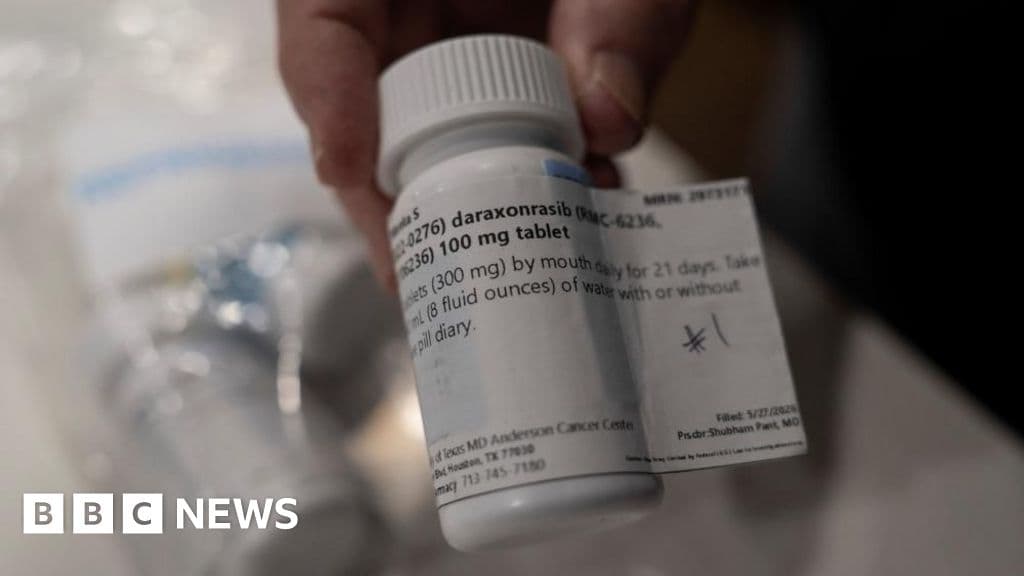
Discover how daraxonrasib, a new pill, is nearly doubling survival rates for pancreatic cancer patients, offering hope in a challenging battle against this deadly disease.
BBC Health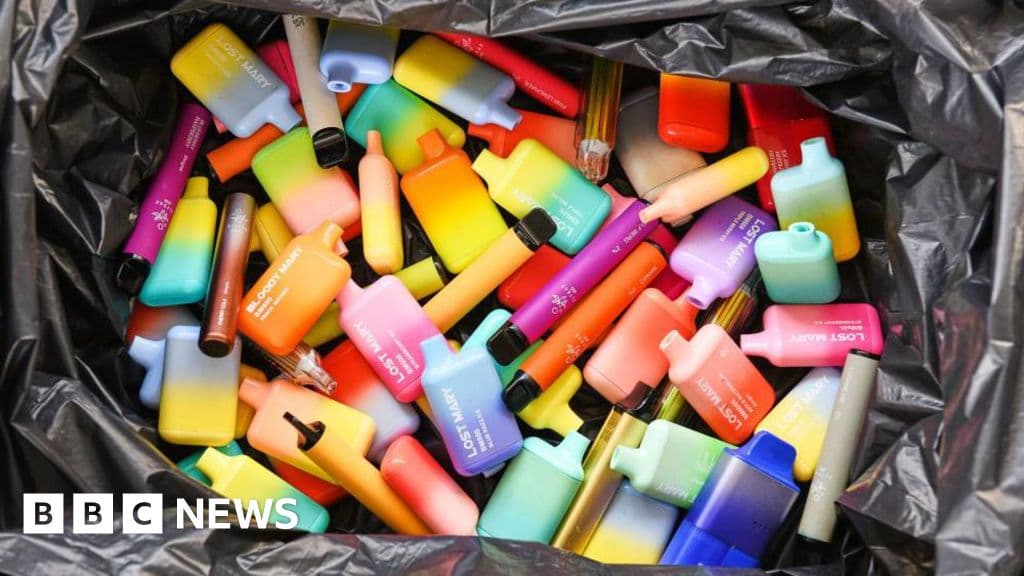
Waste companies propose a £5 deposit on vapes to encourage proper disposal and curb littering as the environmental impact of vapes increases.
BBC Business