
Image: BBC Business
Cooking gas shortages in India are prompting migrant workers to leave cities. Find out how this crisis is impacting livelihoods and what comes next.
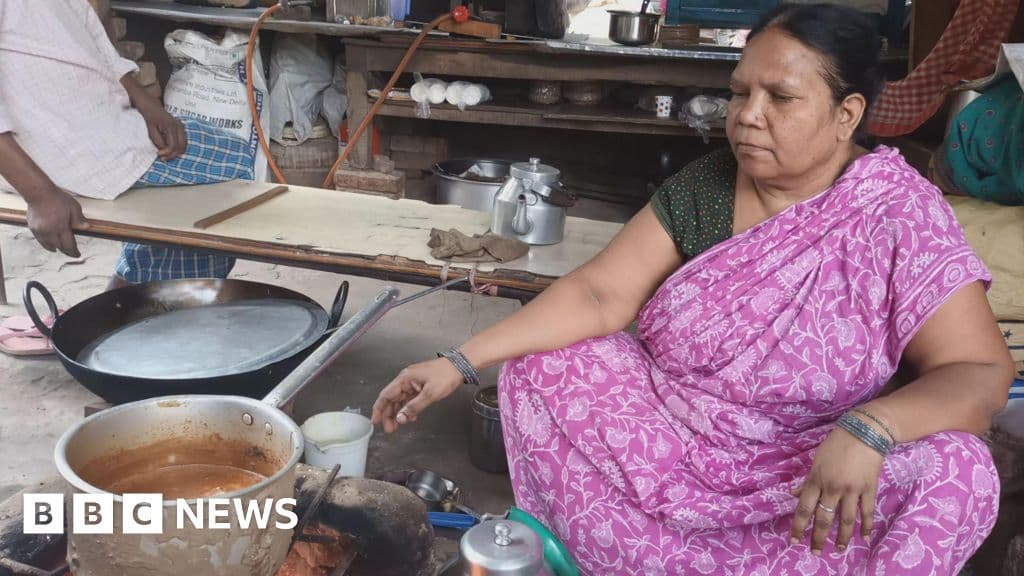
GlipzoShakuntala expresses her growing concern, stating, "If it continues like this for a few more days, we will run out of gas in our kitchens and have to return to our villages." The situation highlights the plight of many migrant workers who depend on gas for cooking and sustenance, earning around 15,000 rupees (approximately $161) a month as domestic helpers in Delhi's more affluent neighborhoods.
Despite the government’s assurances of no LPG shortages and efforts to boost domestic production, the reality on the ground tells a different story. Many workers, particularly in urban areas like Delhi, Mumbai, Bengaluru, Chennai, and Hyderabad, report struggles to obtain gas cylinders. The situation is dire enough that workers have begun contemplating a return to their villages if conditions do not improve.
For instance, Ashok Yadav, a former employee at a catering firm in Delhi, explained that the cooking gas shortage has forced him to return to his village in Ayodhya, Uttar Pradesh. "There was no cooking gas available. Even local restaurants were shut. I was struggling to eat two meals a day, so I had to return home,” he told the BBC.
Sushila Devi, who operates a tea shop in Delhi, shared her struggles, stating, "I have not been able to get a gas cylinder for nearly four weeks. The price of firewood is rising quickly, and it is not a long-term option anyway." She highlighted that if the gas shortage persists, returning to her village would be her only recourse.
Her neighbor, Pushpa Devi, echoed similar sentiments, noting that in their villages, sharing meals with relatives would at least stave off hunger.
India's last census, conducted in 2011, recorded approximately 54 million inter-state migrants, but analysts believe that this number has since increased dramatically. The latest census was recently initiated, adding urgency to understanding the current migration landscape.
The reverse migration trend not only threatens the livelihoods of these workers but also has broader implications for urban economies that rely on their labor. Communities may experience significant disruption if workers choose to leave in search of stability.
The coming weeks will be crucial in determining whether these workers can return to their roles in the city, or if the gas crisis will force a more significant and enduring migration back to rural areas. The resilience of India's migrant workforce is being tested, and the outcomes will resonate throughout the economy and society at large.
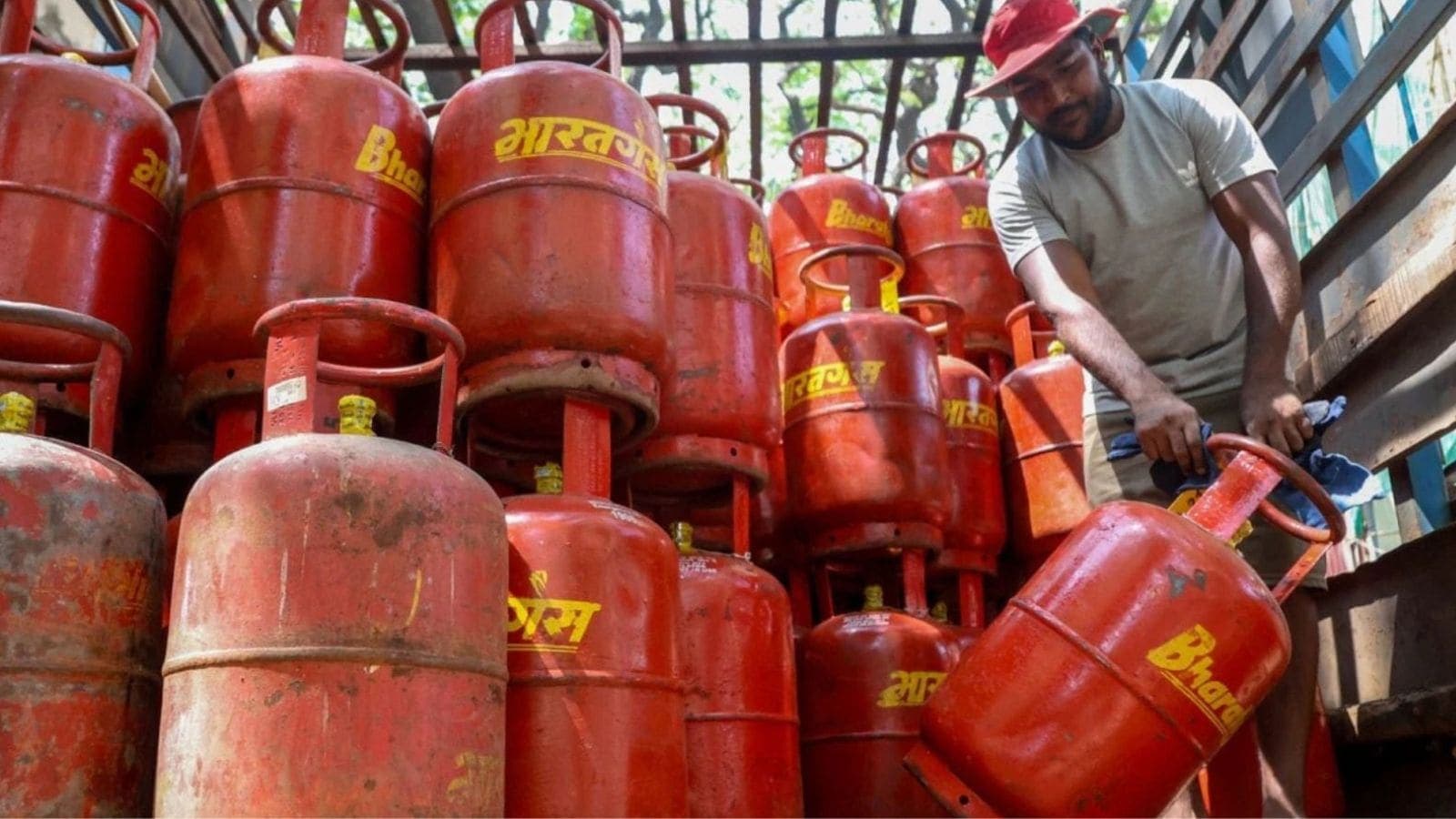
Commercial LPG prices have risen again, with increases of ₹42 in Delhi and ₹53.50 in Kolkata impacting businesses and consumers alike. Find out more.
Indian Express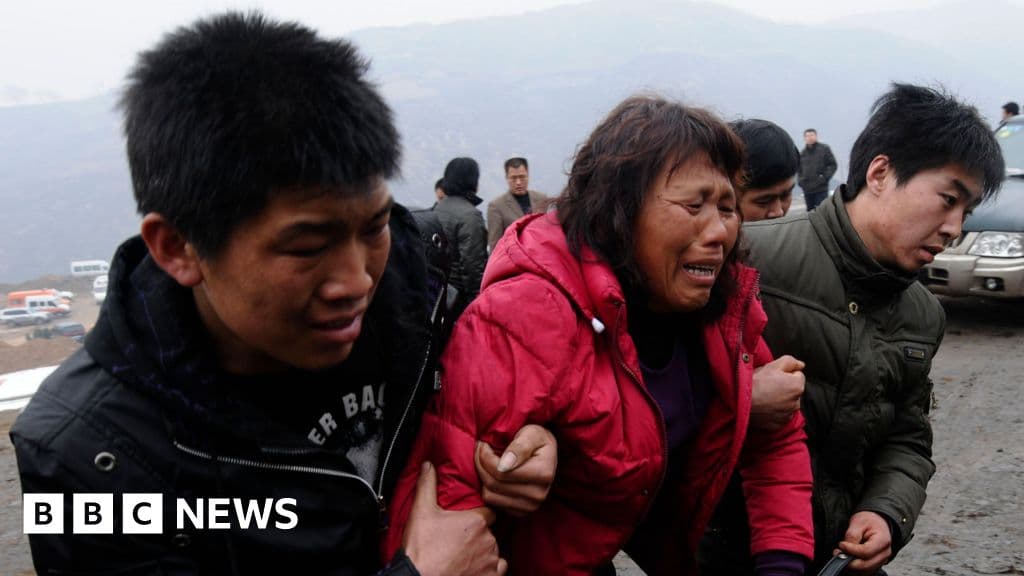
Discover how a tragic coal mine explosion in Shanxi, China, reveals ongoing safety concerns in the industry amidst a push for green energy.
BBC Business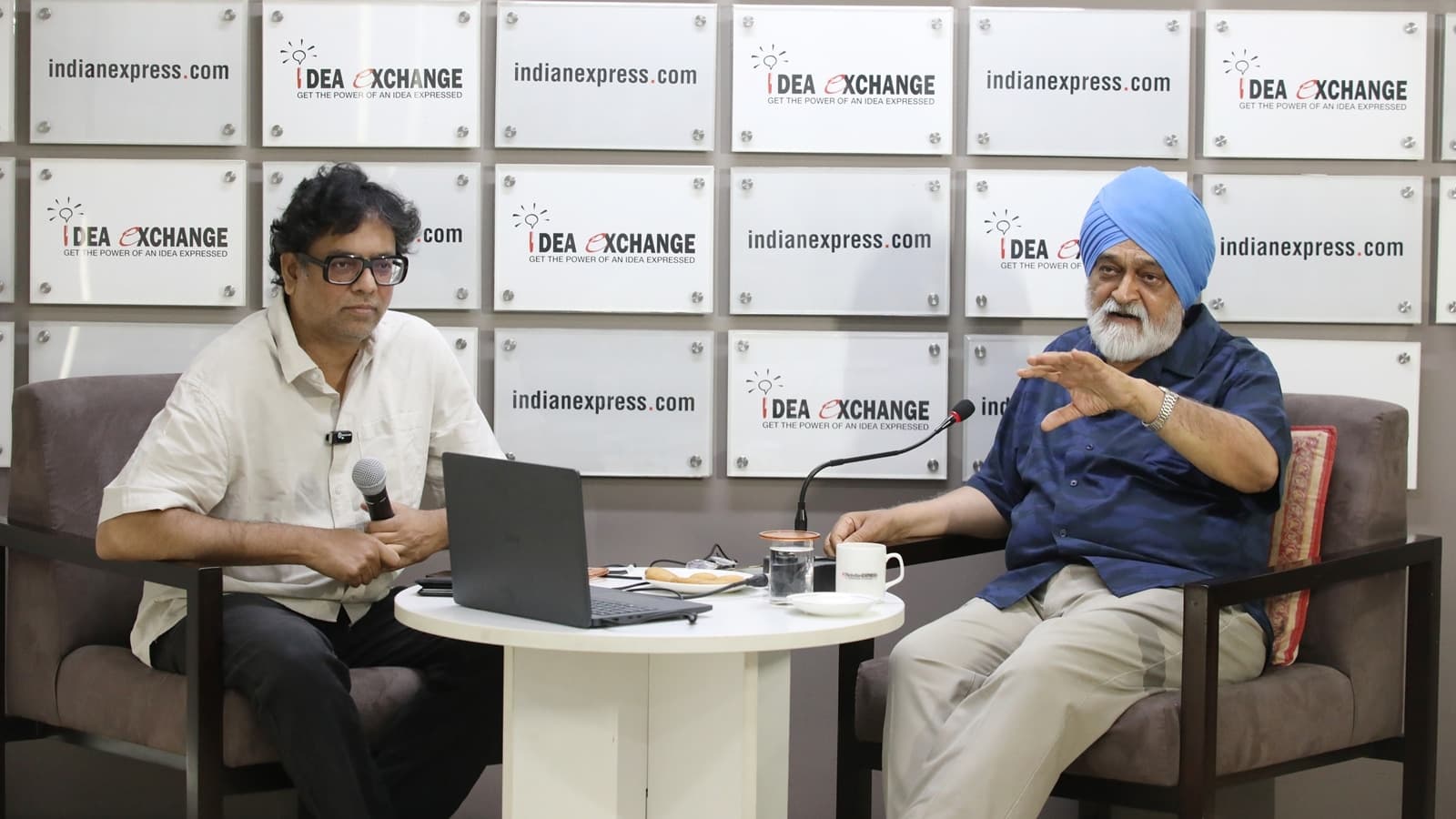
Montek Singh Ahluwalia highlights key economic challenges for India, emphasizing the need for a strategic approach to balance payments and investment.
Indian Express