
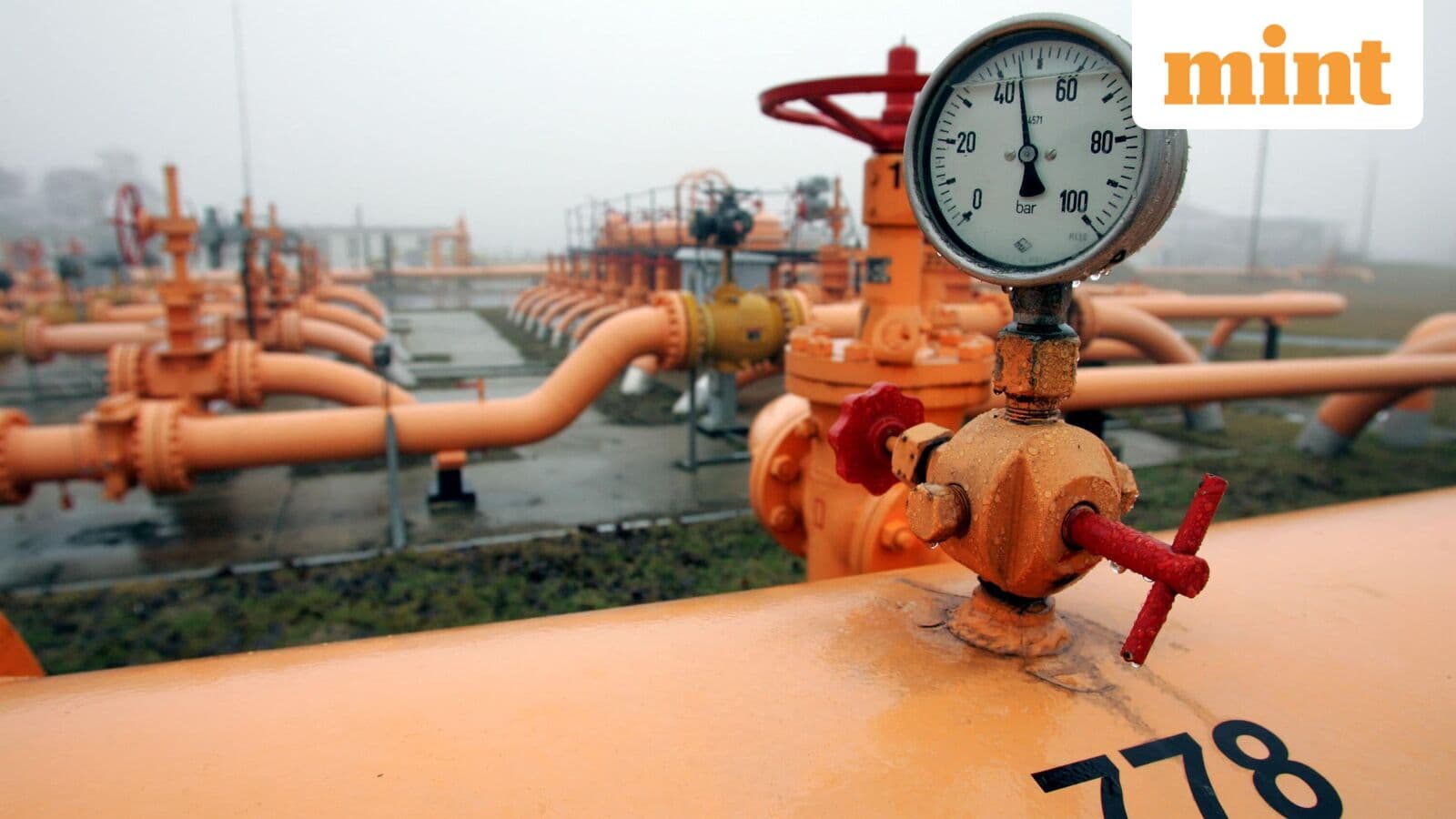
Image: Mint (Business)
India's government incentivizes states to adopt piped natural gas amid cooking gas shortages, promising a shift towards sustainable energy solutions.
GlipzoAs the world grapples with ongoing geopolitical tensions, India finds itself facing a significant cooking gas shortage. On March 18, 2023, the Indian government announced a new initiative aimed at alleviating some of the pressure caused by these shortages. The Ministry of Petroleum and Natural Gas has proposed to incentivize states by offering up to 10% more commercial liquefied petroleum gas (LPG) cylinders if they promote the adoption of piped natural gas (PNG) for household use.
Sujata Sharma, joint secretary at the ministry, highlighted the current challenges surrounding LPG supplies, emphasizing that long queues at retail distributors remain a common sight. However, she also noted a positive development: India's cooking gas output has surged by 40% in just the past two weeks. This increase aims to address the rising demand while transitioning consumers toward more sustainable energy solutions.
As part of the government's strategy, every state and Union Territory (UT) has been offered an additional allocation of 10% commercial LPG. This offer is contingent upon their support for accelerating the expansion of the City Gas Distribution (CGD) network, which enables more households to access PNG.
In the last fortnight alone, approximately 120,000 new PNG connections have been established across various sectors, including domestic, commercial, and industrial use, as well as for compressed natural gas (CNG) stations. This is a vital step toward reducing dependency on LPG and enhancing the energy security of the nation.
The current LPG allocation from the Centre is limited to 20% of the average consumption over the last six months. This decision arises from the ongoing conflict in West Asia and the blockade of the Strait of Hormuz, which significantly affects global oil and gas supplies. The region is responsible for about 20% of the world's energy demands, making its stability crucial for countries like India.
The Ministry of Petroleum has emphasized that this limited allocation will be distributed based on requests from industries and commercial consumers. In a letter sent to the chief secretaries of states and UTs, additional incentives were outlined, including a 1% increase in allocation for states that establish state and empowered district-level committees to streamline CGD applications and resolve related grievances.
The letter from Neeraj Mittal, the secretary in the petroleum ministry, underscores the strategic shift towards PNG. He stated that even amidst the LPG shortage, states should facilitate the transition of consumers to PNG. If states successfully promote this shift, the allocation of commercial LPG could be increased to 30%, providing a crucial lifeline during this challenging period.
Currently, 15 states have begun distributing commercial LPG under the allocated quota, with a total of 7,200 tonnes already disbursed. These efforts are essential in meeting the energy needs of the population while also working towards a more sustainable energy infrastructure.
Despite the cooking gas situation, Sharma reassured that India's stocks of petrol, diesel, crude oil, and liquefied natural gas (LNG) remain stable. The country is successfully importing these commodities from alternate sources, ensuring that domestic needs are met even amidst global supply chain disruptions.
Rajesh Kumar Sinha, special secretary in the ministry of ports, shipping, and waterways, reported that Indian-flagged vessels carrying 1.67 million tonnes of crude oil and 200,000 tonnes of LNG are currently stranded near the Strait of Hormuz. Among these vessels, four are transporting crude oil and one is carrying LNG, which adds another layer of complexity to India's energy supply chain.
In light of the ongoing crisis, India has received requests from neighboring countries, including Bangladesh, Sri Lanka, and the Maldives, for increased petrol and diesel supplies. However, officials have stated that any consideration for these requests will only occur after ensuring that domestic demand is adequately met and that no supply shortfalls exist within the country.
The West Asia region continues to be a critical supplier of crude oil and LNG for India. Reports indicate that negotiations are underway with Iranian authorities regarding the safe passage of six LPG carriers and four crude carriers through the Strait of Hormuz, aiming to stabilize the supply chain further.
As India navigates through this energy crisis, the government's push for PNG adoption is a significant step towards a sustainable energy future. The incentives aimed at states to facilitate this transition could reshape the cooking gas landscape, reducing reliance on LPG and bolstering energy security.
Looking ahead, stakeholders will need to monitor the effectiveness of these initiatives, the response from states, and the global oil market's stability. The ongoing geopolitical tensions will likely continue to impact energy supplies, but India’s strategic shift towards PNG may offer a resilient pathway forward.
In conclusion, the shift toward piped natural gas is not just a response to immediate challenges; it represents a broader commitment to sustainable energy practices that could benefit both consumers and the environment in the long term.
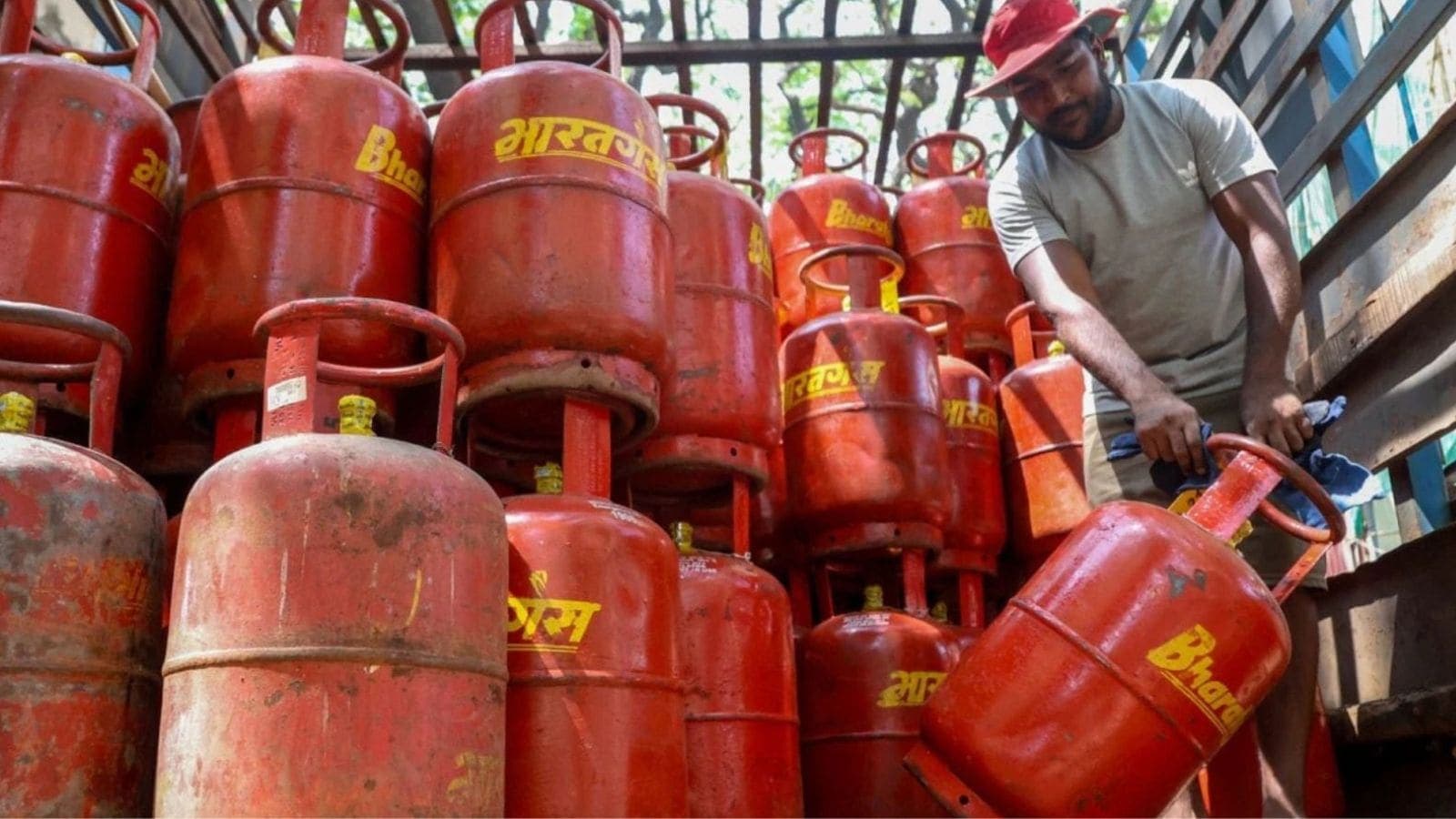
Commercial LPG prices have risen again, with increases of ₹42 in Delhi and ₹53.50 in Kolkata impacting businesses and consumers alike. Find out more.
Indian Express
Discover how a tragic coal mine explosion in Shanxi, China, reveals ongoing safety concerns in the industry amidst a push for green energy.
BBC Business
Montek Singh Ahluwalia highlights key economic challenges for India, emphasizing the need for a strategic approach to balance payments and investment.
Indian Express