
Glipzo
WorldTechnologyBusinessSportsEntertainmentScienceHealthPolitics
Glipzo
WorldTechnologyBusinessSportsEntertainmentScienceHealthPolitics
  1. Home
  2. /
  3. Education
  4. /
  5. Critical Changes in CBSE’s Three Language Policy for Class 9
Critical Changes in CBSE’s Three Language Policy for Class 9

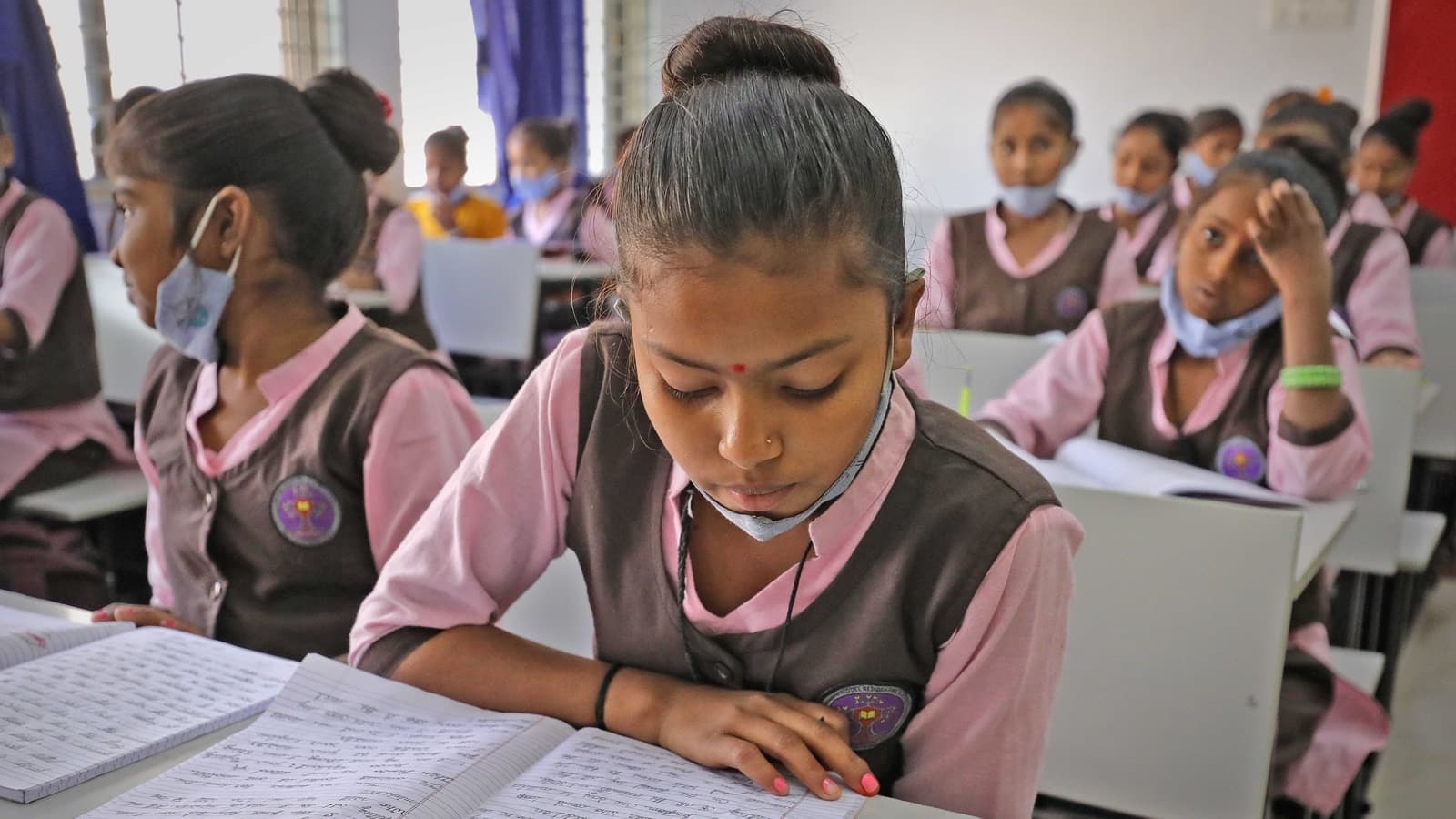
Image: Indian Express

Education
Sunday, May 17, 20265 min read

Critical Changes in CBSE’s Three Language Policy for Class 9

CBSE mandates three languages for Class 9 students, igniting debate on educational changes. Discover what this means for language learning in schools.

Glipzo News Desk|Source: Indian Express
Share
Glipzo

Key Highlights

  • CBSE's new rule requires Class 9 students to learn 3 languages.
  • At least 2 of these must be native Indian languages.
  • Foreign languages can be studied but not as replacements.
  • Assessments for the third language will be internal and school-based.
  • Policy aims to align with National Education Policy 2020.

In this article

  • Major Shift in CBSE Language Policy for Students Starting **July 1, 2026**, Class 9 students under the **Central Board of Secondary Education (CBSE)** will encounter significant adjustments to their language studies. The new mandate requires students to learn **three languages**, with at least **two of them being native Indian languages**. This development stems from a recent circular issued by the CBSE on **May 15**, which has raised questions and concerns among students, parents, and educators alike.
  • What Exactly Has Changed? Previously, the implementation of the three-language formula was expected to follow a phased approach, beginning in **Class 6** during the **2026-27 academic session**. Under that plan, the current Class 6 students would have been the first cohort to carry this rule into **Class 10** by **2030-31**. However, the recent circular accelerates this timeline, pulling Class 9 students into the fold earlier than anticipated.
  • Rationale Behind the Mid-Session Change The CBSE has explained that this sudden shift is aimed at aligning the language study framework with the updated **NCERT syllabus** for Class 9. By adopting what they term a **“transitional approach,”** the Board aims to ensure that the curriculum harmonizes with the latest educational standards.
  • Implications for Students Opting for Foreign Languages Despite the adjustments, the CBSE has not prohibited schools from offering foreign languages like **French, Spanish, or Japanese**. Students can still pursue these languages, but they cannot replace the requirement for two native Indian languages.
  • Assessing the Third Language (R3) Interestingly, the new guidelines specify that the third language, R3, will not be included in the **Class 10 Board examination**. Instead, assessments for this language will be **school-based and internal**, allowing educators some flexibility in evaluating student performance.
  • Why This Matters The implications of this policy change are profound, affecting tens of thousands of students nationwide. In an increasingly globalized world, language proficiency is essential for career opportunities and cultural exchange. However, the push for native Indian languages underscores the importance of cultural identity and heritage in education.
  • What’s Next? Future Considerations As the CBSE continues to refine its policies in line with educational reforms, stakeholders should remain alert to further updates that may impact language education. Students may need to adapt to additional changes as the education landscape evolves, particularly with the rollout of new curricular frameworks.

Major Shift in CBSE Language Policy for Students Starting **July 1, 2026**, Class 9 students under the **Central Board of Secondary Education (CBSE)** will encounter significant adjustments to their language studies. The new mandate requires students to learn **three languages**, with at least **two of them being native Indian languages**. This development stems from a recent circular issued by the CBSE on **May 15**, which has raised questions and concerns among students, parents, and educators alike.

This change comes amid the rollout of the National Education Policy 2020 and the National Curriculum Framework for School Education 2023. The timing is particularly notable as it affects students who have already begun their academic year in April, compelling them to adapt to these new requirements.

What Exactly Has Changed? Previously, the implementation of the three-language formula was expected to follow a phased approach, beginning in **Class 6** during the **2026-27 academic session**. Under that plan, the current Class 6 students would have been the first cohort to carry this rule into **Class 10** by **2030-31**. However, the recent circular accelerates this timeline, pulling Class 9 students into the fold earlier than anticipated.

  • **Key points of the new rule include:**

This mid-session alteration has left many students scrambling to ensure their language combinations meet the new criteria. Those who had previously opted for a foreign language will need to reassess their subject choices to remain compliant with the new rules.

Rationale Behind the Mid-Session Change The CBSE has explained that this sudden shift is aimed at aligning the language study framework with the updated **NCERT syllabus** for Class 9. By adopting what they term a **“transitional approach,”** the Board aims to ensure that the curriculum harmonizes with the latest educational standards.

The organization has stated that the new syllabus is designed to include the study of three languages—designated as R1, R2, and R3—at the secondary education level. While such changes are essential for educational reform, they create a challenging environment for students already accustomed to their existing language combinations.

Implications for Students Opting for Foreign Languages Despite the adjustments, the CBSE has not prohibited schools from offering foreign languages like **French, Spanish, or Japanese**. Students can still pursue these languages, but they cannot replace the requirement for two native Indian languages.

This situation will vary depending on each school's offerings and the individual student’s language selections. For example: - A student studying Hindi and Tamil alongside French may continue with this combination without issues. - Conversely, a student enrolled in English, Hindi, and a foreign language may need to reconsider this setup to comply with the new rules.

For students who have invested years in learning a foreign language, such a sudden change could necessitate a shift to an Indian language, such as Bengali, Marathi, or Telugu. Schools may allow foreign languages to be pursued as an optional program or during activity periods, contingent upon logistical factors like staff availability and student interest.

Assessing the Third Language (R3) Interestingly, the new guidelines specify that the third language, R3, will not be included in the **Class 10 Board examination**. Instead, assessments for this language will be **school-based and internal**, allowing educators some flexibility in evaluating student performance.

  • **Key points regarding evaluation:**

Why This Matters The implications of this policy change are profound, affecting tens of thousands of students nationwide. In an increasingly globalized world, language proficiency is essential for career opportunities and cultural exchange. However, the push for native Indian languages underscores the importance of cultural identity and heritage in education.

As schools scramble to implement these changes, students and parents are urged to engage with educators to understand how best to navigate their language options. The emphasis on native Indian languages reflects a broader trend in educational policy aimed at fostering a deeper connection to local cultures and languages.

What’s Next? Future Considerations As the CBSE continues to refine its policies in line with educational reforms, stakeholders should remain alert to further updates that may impact language education. Students may need to adapt to additional changes as the education landscape evolves, particularly with the rollout of new curricular frameworks.

Looking ahead, it will be crucial for CBSE to provide clear guidelines and support for schools to implement these changes effectively. The dialogue between educators, students, and policymakers will be essential to ensure that the objectives of language education align with the needs and aspirations of the student body. The success of this initiative will ultimately depend on how well these transitions are managed and communicated in the coming academic years.
Did you find this article useful? Share it!

Share

Related Articles

Major PSEB Policy Change after Student's Bold Question
Education
Jun 1, 2026

Major PSEB Policy Change after Student's Bold Question

Amritsar student questions age-based ranking, prompting Punjab CM to reform PSEB policies. A significant change towards merit-based recognition is underway.

Indian Express

AP EAMCET 2026 Results: How to Access Your Scorecard Now
Education
Jun 1, 2026

AP EAMCET 2026 Results: How to Access Your Scorecard Now

AP EAMCET 2026 results are out! Discover how to check your scorecard and navigate the upcoming counselling process for college admissions.

Indian Express

CBSE’s OSM Rollout Faces Backlash Amid Student Concerns
Education
Jun 1, 2026

CBSE’s OSM Rollout Faces Backlash Amid Student Concerns

CBSE's new OSM system faces backlash as students struggle with re-evaluation. Will their futures be jeopardized by technical flaws?

Indian Express

Categories

  • World
  • Technology
  • Business
  • Sports

More

  • Entertainment
  • Science
  • Health
  • Politics

Explore

  • Web Stories
  • About Us
  • Contact

Legal

  • Privacy Policy
  • Terms of Service
  • Disclaimer

© 2026 Glipzo. All rights reserved.