
Image: BBC Health
A groundbreaking trial for an H5N1 bird flu vaccine starts in the UK, targeting pandemic preparedness with novel mRNA technology. Discover its significance.
GlipzoThe H5N1 strain has wreaked havoc on bird populations across the globe and has begun to infect mammals, raising alarms among health officials. While the UK Health Protection Agency currently assesses the risk to humans as low, with most cases linked to direct contact with infected animals, experts are urging caution.
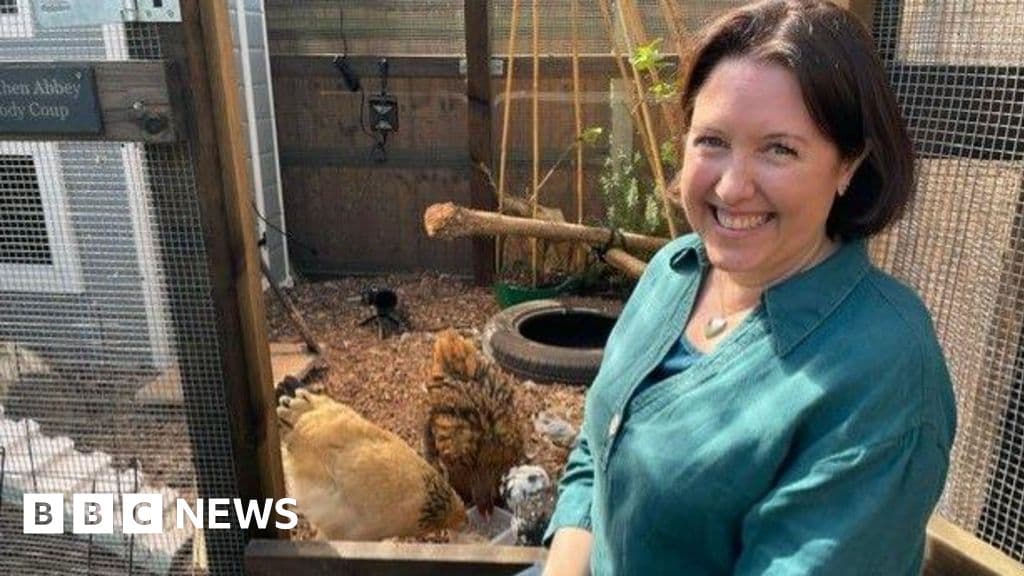
The trial aims to recruit a total of 4,000 volunteers, with a significant portion coming from the poultry industry and individuals over 65 years old, both groups considered at higher risk. Among the first to receive the vaccine was Clare Howard from Hampshire, a seasoned chicken keeper. She remarked on the ease of the process, highlighting its potential importance in combating future health crises.
Professor Lucy Chappell, the chief scientific adviser at the Department of Health and Social Care, noted that this trial is a proactive measure to enhance the UK’s pandemic resilience. "This trial is our proactive attempt to shield against that possibility, and any future pandemic that could emerge from it," she added.
The production of the vaccine will occur at Moderna's facility in Harwell, Oxfordshire, which is currently operational for COVID-19 vaccines. This plant has the capacity to manufacture 100 million doses annually, a number that can be scaled up to 250 million in response to a pandemic situation.
Flu pandemics are a recurring threat, with the next outbreak’s timing uncertain. The flu virus continuously changes, necessitating new vaccines each year. The last major flu pandemic occurred in 2009, dubbed swine flu, while the infamous Spanish flu pandemic post-World War I resulted in approximately 50 million deaths worldwide. The potential for a new strain like H5N1 to trigger similar catastrophic events places a premium on preventive measures.
Despite the promising developments in mRNA vaccine technology, funding issues have arisen. In August 2025, the U.S. government slashed $500 million in funding for mRNA vaccine initiatives after comments from Health Secretary Robert F. Kennedy Jr., a noted vaccine skeptic, questioning the safety and effectiveness of mRNA for respiratory viruses.
In the coming months, stakeholders will monitor the trial's progress, the safety and efficacy of the vaccine, and its potential rollout. The outcome could change the landscape of public health preparedness against avian influenza and other viral threats, highlighting the critical need for vigilance and proactive measures in an ever-evolving infectious disease environment.
Shocking findings from Nottingham's maternity unit reveal a toxic culture and alarming neglect. What can be done to improve care? Discover the details.
BBC Health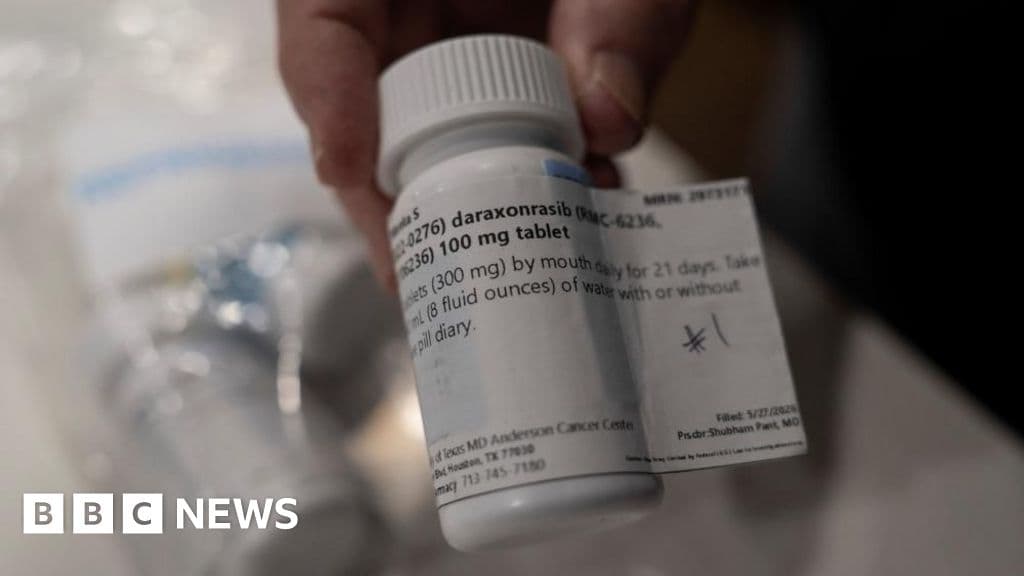
Discover how daraxonrasib, a new pill, is nearly doubling survival rates for pancreatic cancer patients, offering hope in a challenging battle against this deadly disease.
BBC Health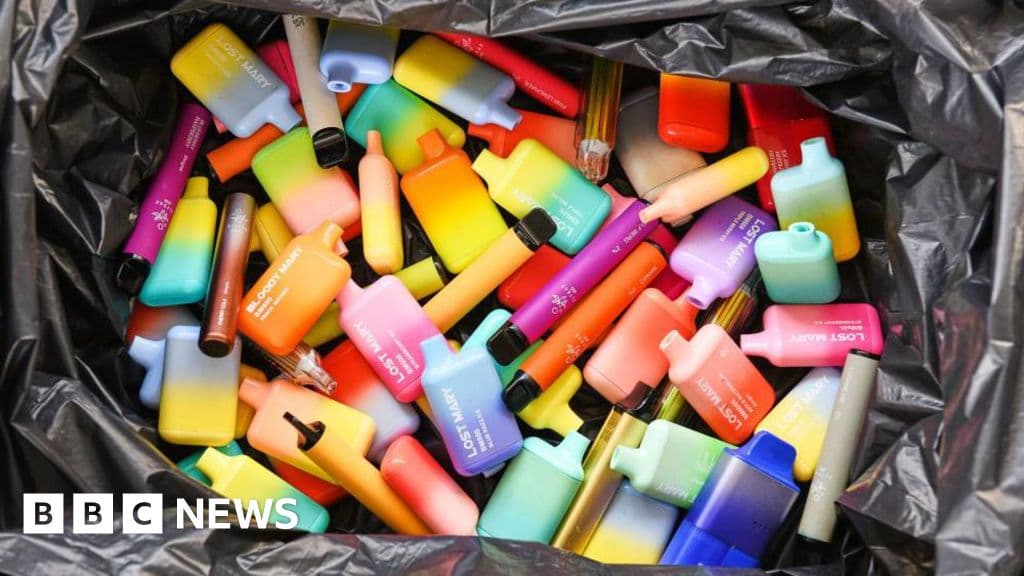
Waste companies propose a £5 deposit on vapes to encourage proper disposal and curb littering as the environmental impact of vapes increases.
BBC Business