
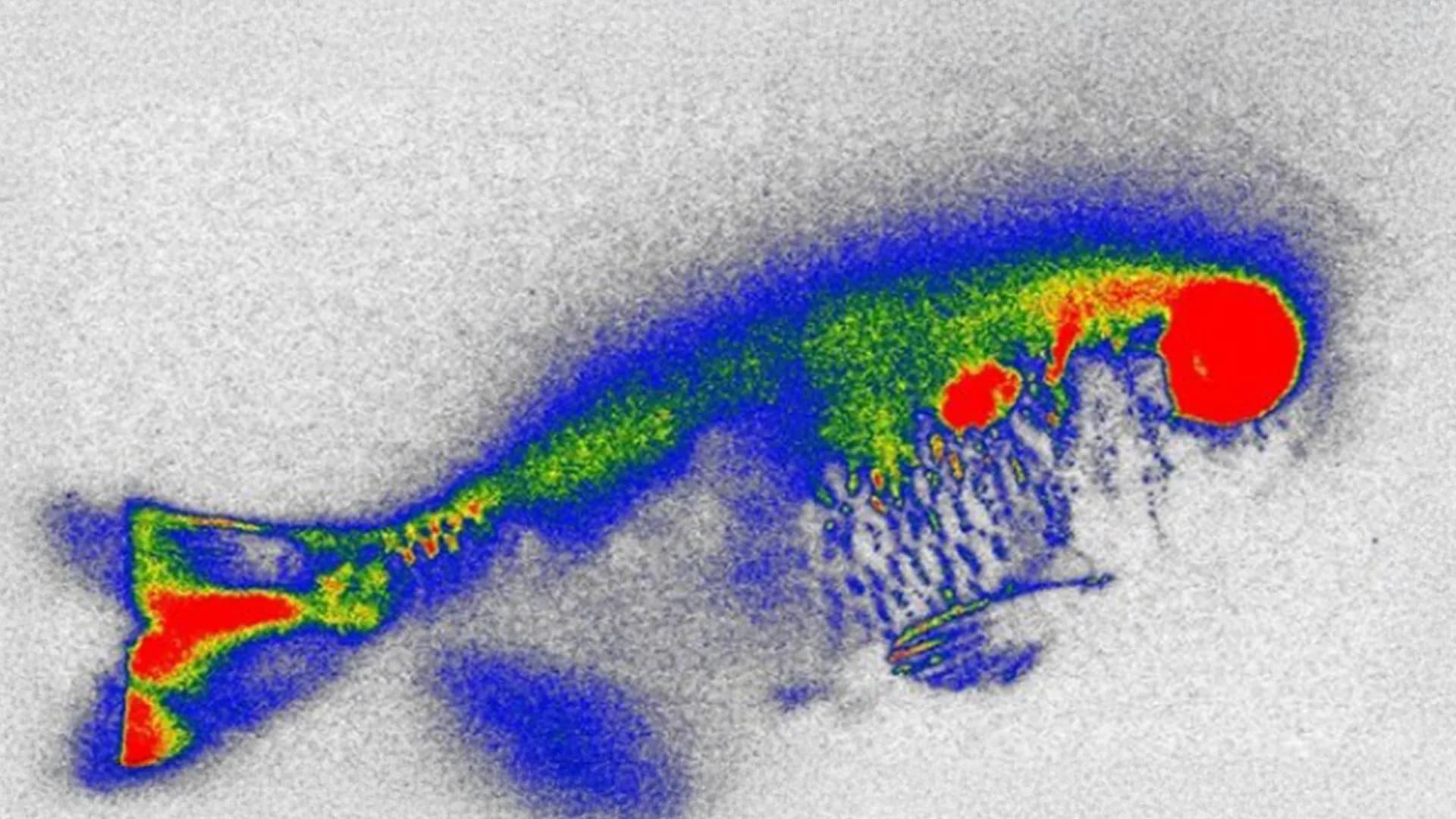
Image: Science Daily
Researchers find alarming levels of antibiotics in fish from Brazil's Piracicaba River, raising food safety concerns and prompting calls for action.
GlipzoLed by Patrícia Alexandre Evangelista, the research team utilized a comprehensive approach that included environmental monitoring, studies on how pollutants accumulate in living organisms, and genetic damage assessment in aquatic life. They also investigated the potential of a common aquatic plant, Salvinia auriculata, to mitigate this pollution. The combination of these methodologies provided a deeper understanding of the contamination's extent and potential solutions to address pollution linked to human and veterinary drug usage.
The team collected water, sediment, and fish samples during both the rainy and dry seasons, focusing on 12 commonly used antibiotics including tetracyclines, fluoroquinolones, sulfonamides, and phenols. According to Evangelista, “The results showed a clear pattern of seasonality. During the rainy season, most antibiotics had concentrations below detection limits. In the dry season, however, when water volume decreases and contaminants become concentrated, different compounds were detected.” This seasonal fluctuation underscores the significant impact of environmental conditions on pollution levels.
In terms of concentration, levels ranged from nanograms per liter in water to micrograms per kilogram in sediment. Some antibiotics, like enrofloxacin and certain sulfonamides, were detected in sediment at levels surpassing those found in similar studies globally. The sediment, abundant in nutrients and organic matter, poses a risk of long-term contamination as it can store these compounds and release them back into the environment over time.
Evangelista elaborated on the implications of these findings: “Chloramphenicol and enrofloxacin were selected for in-depth lab experiments because of their relevance to environmental and human health. Enrofloxacin is prevalent in animal husbandry, including aquaculture, while chloramphenicol remains a concern due to its historical use in humans despite being banned in food production.” This highlights the ongoing challenges of antibiotic contamination in the food supply chain.
Through controlled experiments, the team exposed Salvinia to both typical environmental concentrations and levels 100 times higher than usual for enrofloxacin and chloramphenicol. Using carbon-14-radiolabeled compounds, researchers meticulously tracked how the antibiotics moved through the water, plant, and fish.
The results were promising, indicating that Salvinia is highly effective in removing enrofloxacin. In treatments with increased plant biomass, over 95% of the antibiotic was eliminated from the water within a few days. The research demonstrated that the half-life of the compound was significantly reduced, suggesting that this aquatic plant could serve as a viable option for bioremediation efforts in polluted waterways.
Addressing these challenges will be essential in safeguarding public health and ensuring the sustainability of aquatic ecosystems in Brazil and beyond. The findings of this study serve as a wake-up call for policymakers, researchers, and the public alike to take action against antibiotic pollution in our waterways.

Shocking findings from Nottingham's maternity unit reveal a toxic culture and alarming neglect. What can be done to improve care? Discover the details.
BBC Health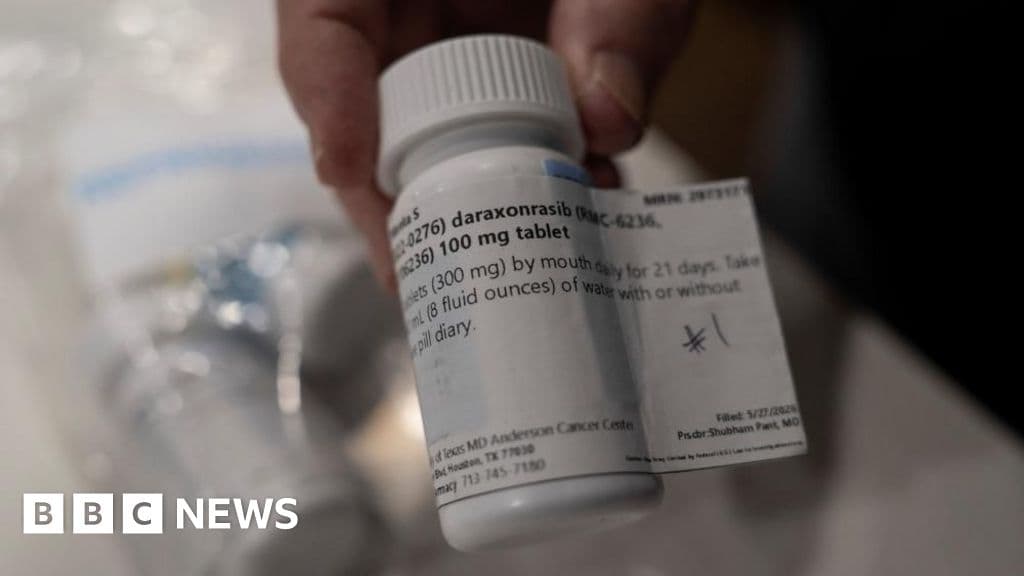
Discover how daraxonrasib, a new pill, is nearly doubling survival rates for pancreatic cancer patients, offering hope in a challenging battle against this deadly disease.
BBC Health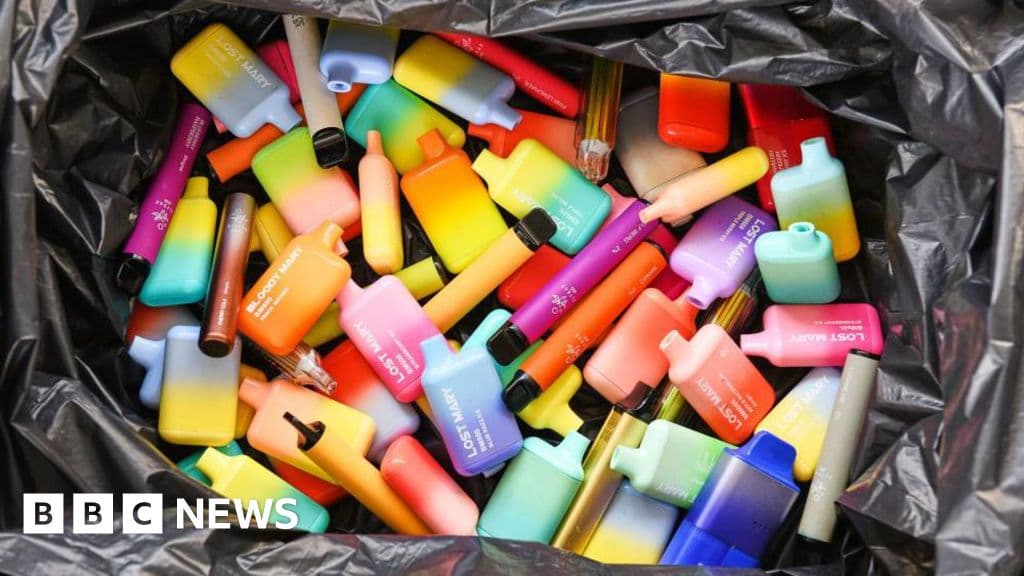
Waste companies propose a £5 deposit on vapes to encourage proper disposal and curb littering as the environmental impact of vapes increases.
BBC Business