

Image: The Hindu
Coonoor's polio vaccine unit will close by March 31, 2026, raising concerns about India's public health strategies. What does this mean for the future of vaccinations?
GlipzoIn a significant development, the oral polio vaccine production unit at the Pasteur Institute in Coonoor is set to shut down by March 31, 2026. This decision, made by the Health Ministry, comes following a thorough review by technical experts who assessed the unit's operations. Their conclusion was clear: the unit's current state is irreparable without substantial financial investment and, even then, the ability to produce a safe and effective vaccine remains uncertain.
The closure marks a pivotal moment in India's battle against polio, a disease that has plagued the nation for decades. The unit, which has been instrumental in vaccine production, has faced significant operational challenges, leading to this drastic decision. Understanding the implications of this closure is essential, as it potentially impacts the country’s public health efforts and the future of vaccine production.
Several factors contributed to the decision to close the Coonoor vaccine unit. According to the technical evaluation, the following issues were identified:
These issues have not only hindered the production of vaccines but have also raised concerns about public health safety and efficacy. The decision to close the unit aligns with the recommendations of experts who believe that without significant changes, the unit would remain a liability.
Despite the impending closure of the vaccine unit, discussions are underway regarding the future of the Pasteur Institute itself. There is a proposal to transfer the management of the Institute to the Central Government to promote better governance and operational efficiency.
This potential shift could lead to: - Improved management of resources and personnel. - Enhanced collaboration between various public health institutions. - A renewed focus on vaccine research and development initiatives.
Such changes could revitalize the Institute, making it a crucial player in the ongoing fight against infectious diseases in India. However, the transition will require careful planning and execution to ensure that the Institute can fulfill its mission effectively.
The closure of the Coonoor polio vaccine unit is not just a local issue; it resonates across the nation. As India has made significant strides in eradicating polio, the loss of a production facility poses risks to maintaining these achievements. The vaccine unit has played a vital role in providing vaccines to combat polio, and without it, there may be future challenges in vaccine availability and distribution.
Moreover, this situation underscores the need for a more cohesive and efficient management structure within public health institutions. The lessons learned from the Coonoor unit's struggles could serve as a blueprint for reforming other public health facilities across India.
Looking ahead, several key developments should be monitored closely: - Government Response: How the Central Government plans to take over the management of the Pasteur Institute and what measures will be implemented to ensure effective governance. - Vaccine Production Alternatives: Exploration of other facilities that could potentially step in to fill the gap left by the Coonoor unit. - Future of Polio Vaccination Efforts: Assessing how this closure will impact existing polio vaccination campaigns and what strategies will be adopted to maintain momentum in polio eradication efforts.
The future of polio vaccination in India hinges on the government's ability to respond effectively to these changes and ensure that public health remains a priority. As the situation develops, stakeholders will be watching closely to see how the country navigates this critical juncture in its healthcare landscape.

Shocking findings from Nottingham's maternity unit reveal a toxic culture and alarming neglect. What can be done to improve care? Discover the details.
BBC Health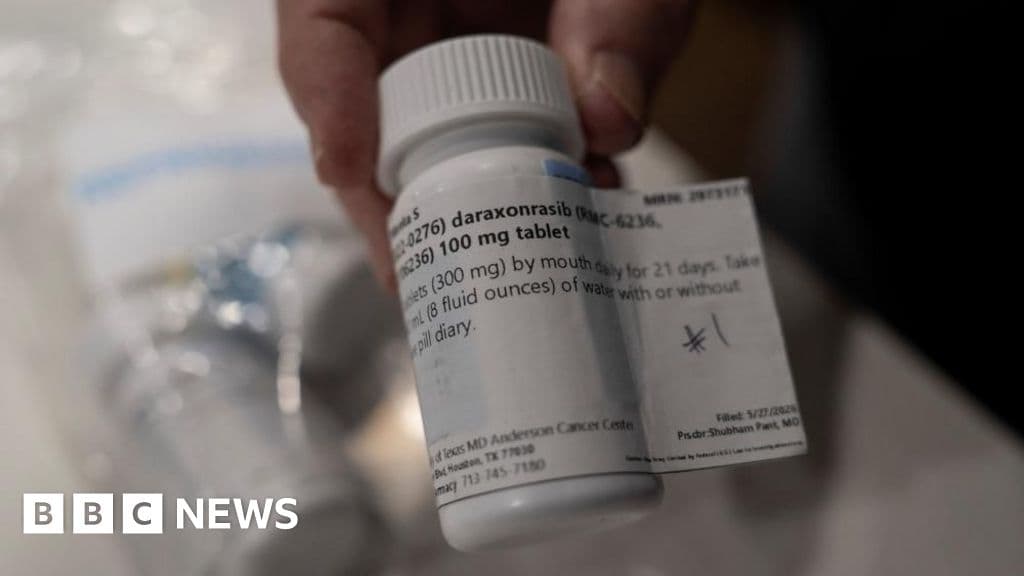
Discover how daraxonrasib, a new pill, is nearly doubling survival rates for pancreatic cancer patients, offering hope in a challenging battle against this deadly disease.
BBC Health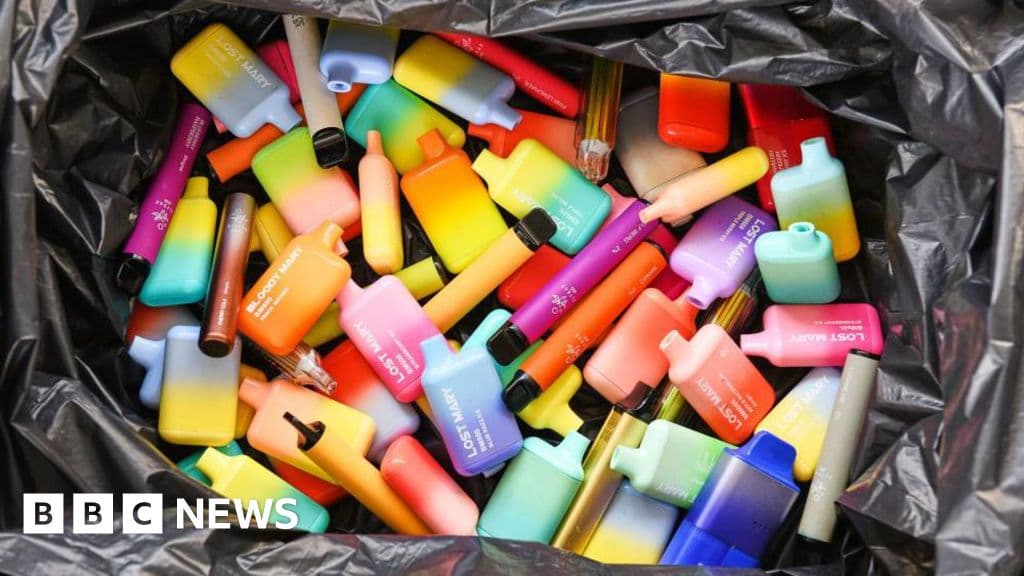
Waste companies propose a £5 deposit on vapes to encourage proper disposal and curb littering as the environmental impact of vapes increases.
BBC Business