
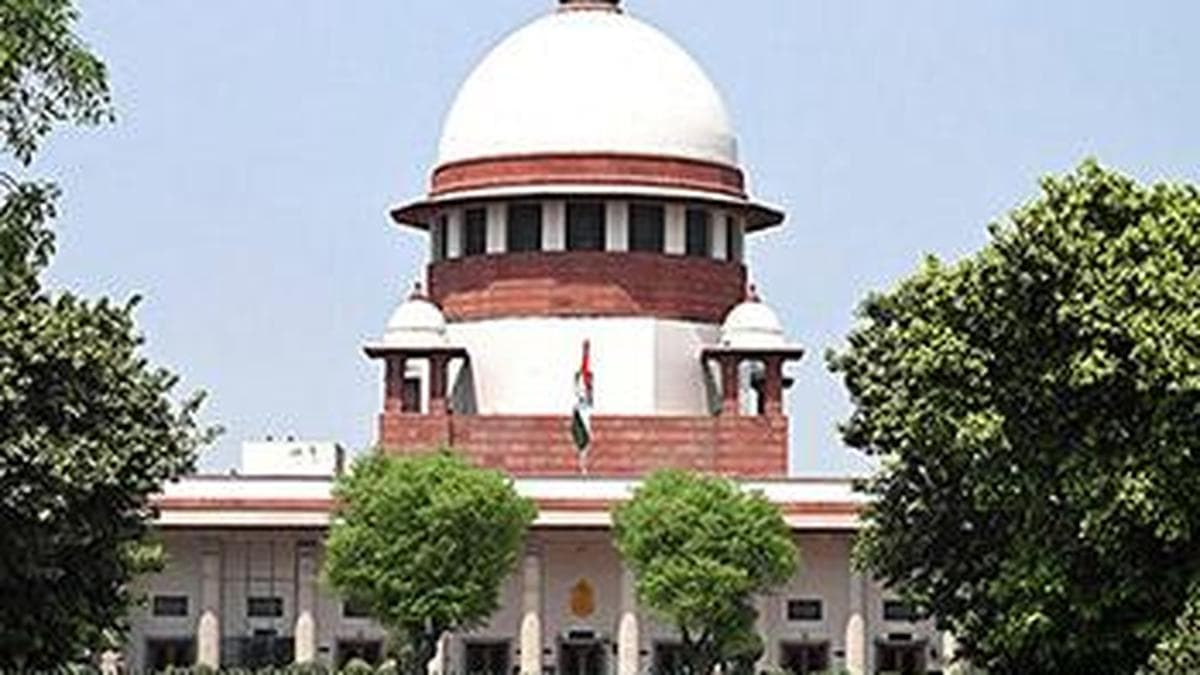
Image: The Hindu
CJI Surya Kant condemns societal indifference at accident scenes, urging a shift from video voyeurism to compassionate action. Discover why this matters.
GlipzoOn March 21, 2026, Chief Justice of India Surya Kant made a poignant observation about the changing values in society, particularly in the context of road accidents. He pointed out that instead of rushing to assist victims, many individuals choose to stop their cars primarily to capture videos for social media. This alarming trend reflects a growing insensitivity towards human life, raising questions about moral responsibility in emergency situations.
The Chief Justice's remarks came during a session of a three-judge bench while discussing a writ petition concerning the police's conduct on social media. The petition highlighted how law enforcement often collaborates with media outlets, allowing them to photograph and parade accused individuals in a highly publicized manner. This practice, according to senior advocate Gopal Sankaranarayanan, who represented petitioner Hemendra Patel, poses a serious violation of the fundamental right to dignity as enshrined in Article 21 of the Indian Constitution.
Sankaranarayanan explained that the public's reaction to media portrayals can lead to a significant backlash when courts eventually grant bail to the accused. He emphasized that such practices undermine the entire criminal justice system, which is designed to ensure fairness and protect individual rights. Justice Joymalya Bagchi echoed these sentiments, suggesting that the issue should be viewed within the broader context of the right to a fair trial.
Justice Bagchi stressed that police should act impartially in their investigations, without bias towards either the accused or the victim. He noted that the role of the police is to uncover the truth, which must then be determined in a fair trial by the courts. He raised concerns about the “cloud or vitiating atmosphere” created by sensational media coverage, which can compromise the integrity of judicial proceedings.
The court's discussion also touched upon the dangers of social media, described by Solicitor-General Tushar Mehta as having a “sinister side.” He highlighted how certain online platforms operate as blackmailers, further complicating the landscape for justice. The Chief Justice agreed, recognizing that the misuse of social media constitutes a troubling aspect of contemporary digital culture.
Mehta's observations prompted a deeper examination of how media trials can distort public perception and impact the accused's right to a fair trial. Justice Bagchi remarked that the media's role has become convoluted, where the pursuit of stories often undermines the very justice it seeks to report on.
The Supreme Court addressed the urgent need to regulate the relationship between police and media, particularly in the context of ongoing investigations. The court urged Sankaranarayanan to withdraw his petition but encouraged him to file a more comprehensive one by April after reviewing the compliance of states with a new manual on police briefings. This manual, which Sankaranarayanan helped develop as an amicus curiae in a separate case, aims to establish guidelines for responsible police communication with the media.
Published on the Supreme Court's website, the manual stresses the importance of sharing only accurate, verified, and essential information with the public. This is crucial in an era where misinformation can easily spread, potentially disrupting public order and compromising the fairness of criminal trials.
The Chief Justice's remarks serve as a critical reminder of the societal responsibility we hold towards one another, especially in times of crisis. The disturbing trend of prioritizing social media content over human compassion not only reflects a decline in societal values but also has broader implications for public safety and justice.
As we navigate an increasingly digital world, it is essential to cultivate a culture that prioritizes empathy and ethical responsibility. This discussion around police-media interactions and the portrayal of accused individuals in the media is vital for ensuring that justice remains impartial and fair.
In the coming months, the Supreme Court's review of state compliance with the new police briefing manual will be crucial in determining how the relationship between law enforcement and the media evolves. Observers should watch for:
As society grapples with these issues, the focus should remain on fostering a just and humane environment, where the dignity of every individual is respected, and the pursuit of truth is paramount.

Tensions soar as the US and Iran engage in air strikes near the Strait of Hormuz, raising concerns over global oil supply and regional stability.
BBC World
Trump's international interventions face serious stalemates. What will this mean for U.S. foreign policy? Explore the critical challenges ahead.
Indian Express
Tehran denies resignation of President Masoud Pezeshkian amid claims of IRGC influence. What does this mean for Iran's political stability? Click to learn more!
Indian Express