

Image: Mint (Business)
Citi and Standard Chartered evacuate offices in Dubai as Iran threatens Gulf banking interests, while HSBC closes its Qatar branches amid rising tensions.
GlipzoIn a significant response to escalating threats from Iran against Gulf banking interests, Citigroup and Standard Chartered have begun evacuating their offices in Dubai. This decision was made to ensure the safety of their employees following recent statements from Iranian military sources indicating potential retaliation against financial entities linked to the U.S. and Israel. As reported by Reuters, staff are being directed to work remotely until further notice, heightening concerns in the region's financial landscape.
A memo obtained by Reuters revealed that Citigroup directed employees to vacate its offices located in the Dubai International Financial Centre (DIFC) and the Oud Metha area. A spokesperson for the bank reassured clients and employees that they are implementing safety measures and have established contingency plans to maintain business operations despite the ongoing crisis.
Similarly, Standard Chartered, which has a robust presence in the United Arab Emirates, is adjusting its operations in light of the threats. Dubai has long been recognized as a vital financial hub, attracting major international banks, law firms, and asset managers.
In addition to the actions taken by Citigroup and Standard Chartered, HSBC has temporarily closed all its branches in Qatar, prioritizing the safety of its employees and customers. A notice issued to clients confirmed this precautionary measure, reflecting a broader concern regarding the geopolitical instability in the region.
The backdrop for these security measures is a statement from a spokesperson for Iran’s Khatam al-Anbiya military command, who announced plans to target economic and banking interests associated with the U.S. and Israel. This declaration came shortly after an administrative building linked to Bank Sepah, one of Iran's largest state-owned banks, was reportedly attacked in Tehran.
The rising tensions have prompted many companies, both foreign and local, to instruct employees to work from home. This shift follows Iran's missile strikes on various targets in response to U.S. and Israeli military actions, resulting in casualties and widespread disruption across the Middle East.
The ongoing conflict has raised serious concerns about Dubai's reputation as a stable business environment. As reported by Reuters, there are fears that international companies may reconsider their investments, leading to potential job cuts or relocations of operations. The situation underscores the fragility of Dubai’s financial landscape, which has been cultivated since the establishment of the DIFC in 2004.
The DIFC has transformed Dubai into a global financial center, accommodating over 290 banks, 102 hedge funds, and nearly 500 wealth management firms by the end of 2025. This growth illustrates Dubai's shift from a humble fishing port to a major player in the finance sector.
Standard Chartered generates approximately 6% of its total income from the UAE, reflecting the significance of the region to its overall business strategy. The bank has made notable investments in local leadership, with Roberto Hoornweg, the bank's investment banking CEO, based in Dubai. However, he declined to comment regarding the current situation through a spokesperson.
In remarks made earlier this week, HSBC CEO Georges Elhedery emphasized the bank's unwavering belief in the fundamentals and future of the Gulf Cooperation Council (GCC), which includes the UAE, Saudi Arabia, and other Gulf states. He reiterated that the safety of employees and customers remains the bank's top priority amid the escalating crisis.
In light of ongoing military actions, Goldman Sachs has also instructed its employees across the region to work remotely, adhering to local authorities' recommendations. Tensions escalated further on Wednesday when drones reportedly landed near Dubai Airport, causing injuries to four individuals. Additionally, Iranian operations have targeted maritime vessels in the Strait of Hormuz, a critical waterway for global oil transportation, contributing to significant fluctuations in oil prices.
The Strait of Hormuz is vital for international trade, as it typically handles about 20% of the world’s oil supply. Disruptions to shipping routes and energy infrastructure in the Gulf states have raised alarms among global economic observers, highlighting the interconnected nature of finance, energy, and security in the region.
As the situation continues to evolve, the actions taken by Citigroup, Standard Chartered, and HSBC signify a pivotal moment for the banking sector in Dubai and the broader Gulf region. The regional instability poses risks not only to the safety of banking personnel but also to the economic foundations that have been built over decades. The response of these financial institutions will be closely monitored as they navigate the complexities of maintaining operations while ensuring the safety of their teams.
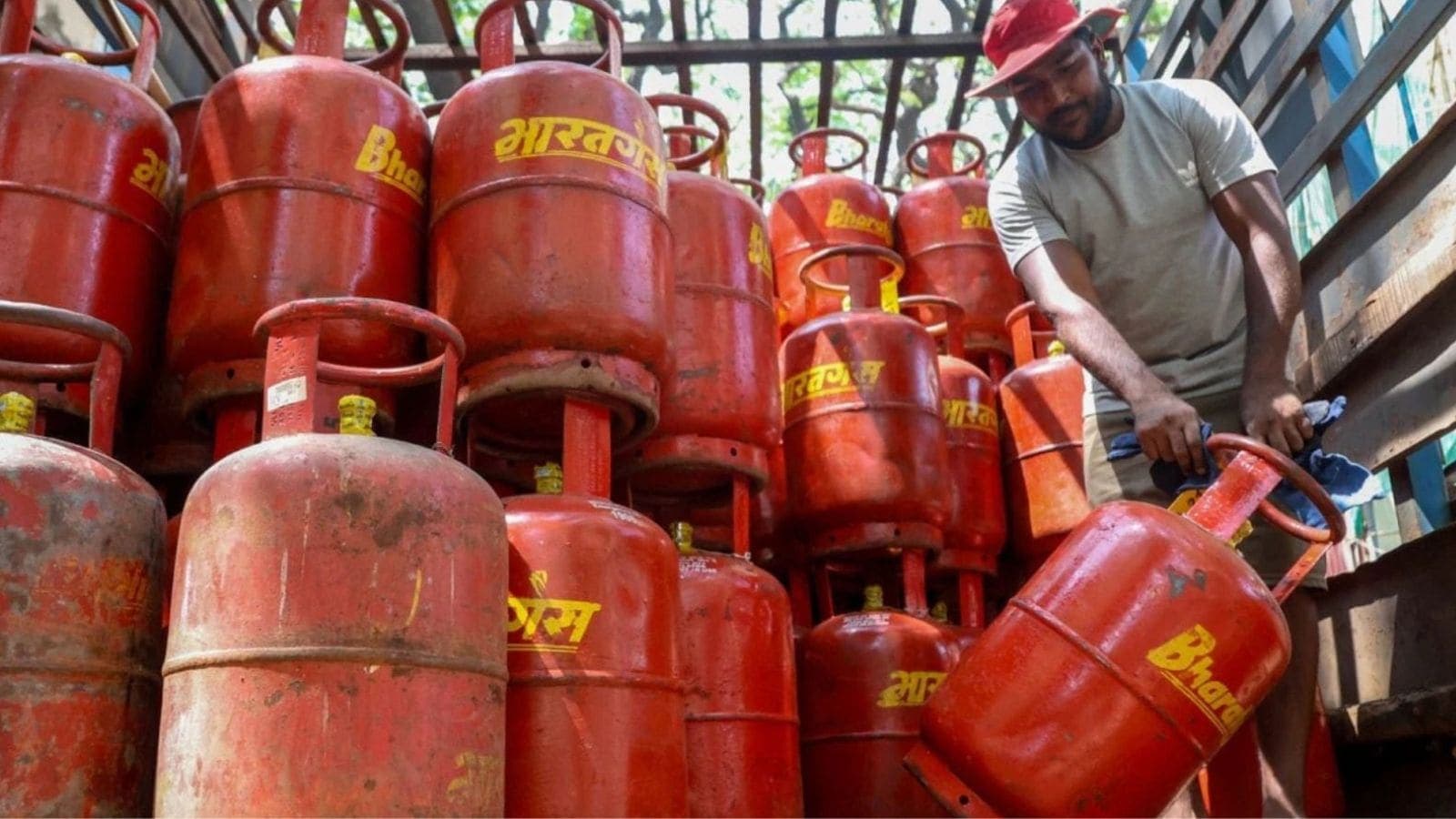
Commercial LPG prices have risen again, with increases of ₹42 in Delhi and ₹53.50 in Kolkata impacting businesses and consumers alike. Find out more.
Indian Express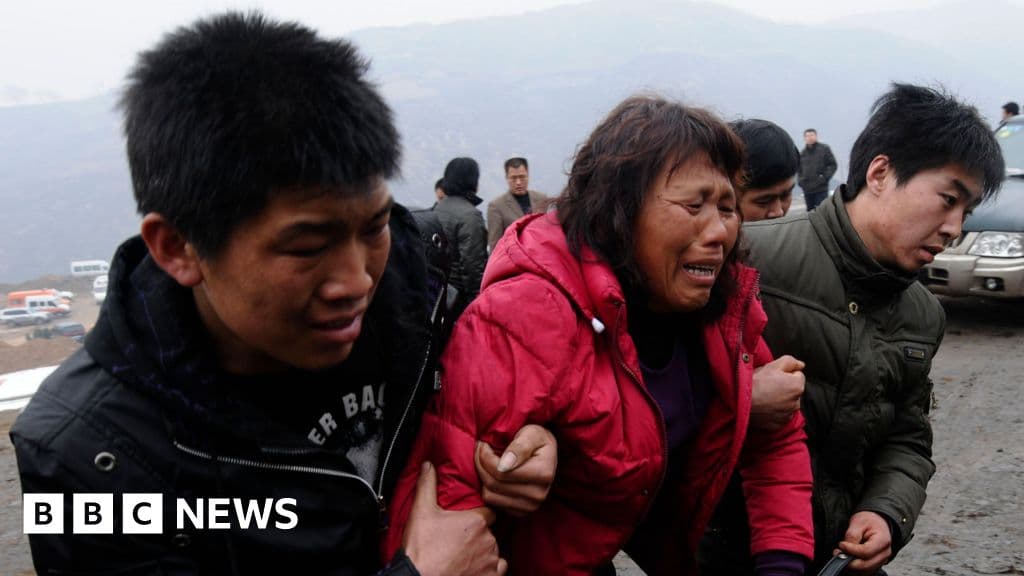
Discover how a tragic coal mine explosion in Shanxi, China, reveals ongoing safety concerns in the industry amidst a push for green energy.
BBC Business
Montek Singh Ahluwalia highlights key economic challenges for India, emphasizing the need for a strategic approach to balance payments and investment.
Indian Express