
Image: The Hindu
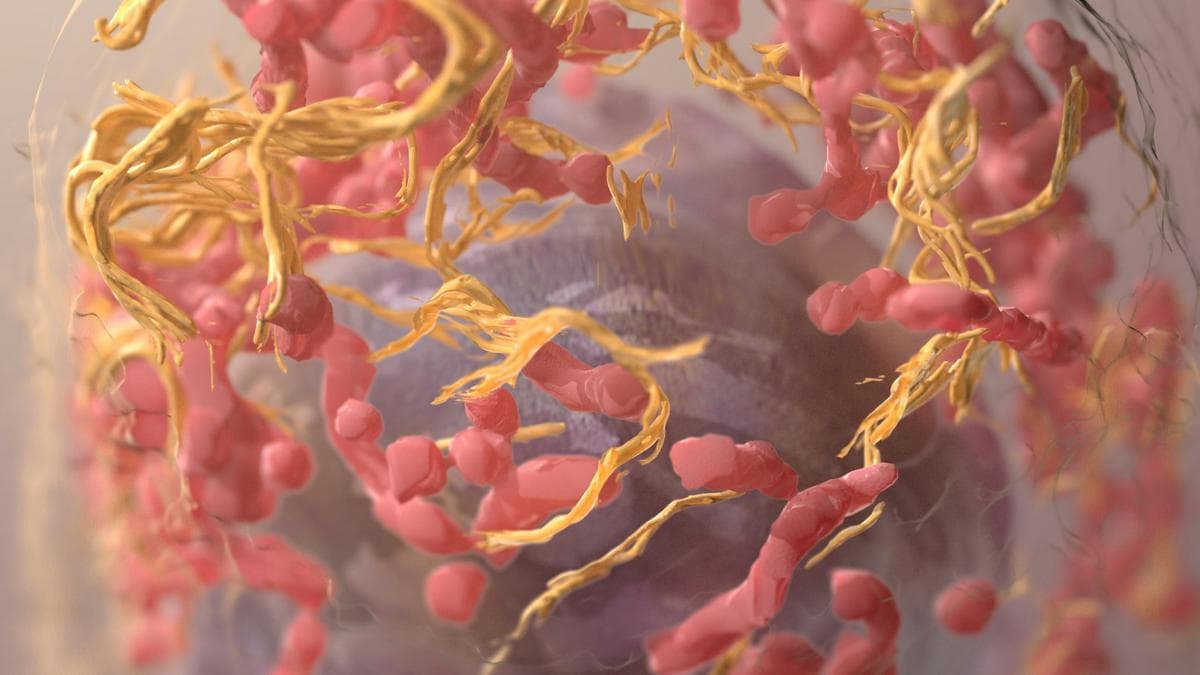
New research reveals how cholesterol in melanoma cells aids cancer spread, opening doors for potential therapies that target cholesterol management.
GlipzoThe process of cancer development is gradual, where normal cells undergo a series of changes in their DNA and regulatory systems. These alterations typically drive cells to multiply uncontrollably, evade the immune response, and metastasize into other tissues. Metastasis is particularly lethal, making the identification of critical changes in cancer cells essential for developing effective therapies.
The research revealed two crucial effects of high cholesterol levels: - Increased Deformability: The nucleus becomes easier to squeeze through tight gaps, promoting metastasis. - Heightened Fragility: The nuclear envelope becomes more susceptible to tears, exposing DNA to damaging forces that can lead to mutations, further fueling cancer progression.
The study's findings suggest that targeting cholesterol within the nuclear envelope could be a potential therapeutic avenue. By lowering cholesterol levels, researchers noted a decrease in the invasiveness and aggressiveness of cancer cells, indicating that cholesterol plays a pivotal role in tumor dynamics.
When LBR levels were elevated, cholesterol levels in the nuclear envelope also increased, resulting in a squishier and more fragile nucleus. Conversely, silencing LBR reduced both cholesterol synthesis and nuclear deformability, indicating the protein's cholesterol-making function is critical to this mechanism.
To investigate this, the team engineered melanoma cells with two variations: one group with normal LBR levels and another with silenced LBR. When injected into mice, the outcomes could reveal essential insights into the early stages of melanoma progression and the potential for targeted therapies.
The implications of these findings extend beyond melanoma, indicating that cholesterol's role in cellular mechanics could be relevant in various cancer types, including breast and prostate cancers. As future research unfolds, it will be critical to monitor how these insights translate into clinical practice and whether cholesterol management can indeed alter cancer trajectories.
The pathway to innovative cancer therapies is paved with discoveries like these, and as research evolves, the hope for improved treatment options for melanoma and other cancers remains steadfast.

Shocking findings from Nottingham's maternity unit reveal a toxic culture and alarming neglect. What can be done to improve care? Discover the details.
BBC Health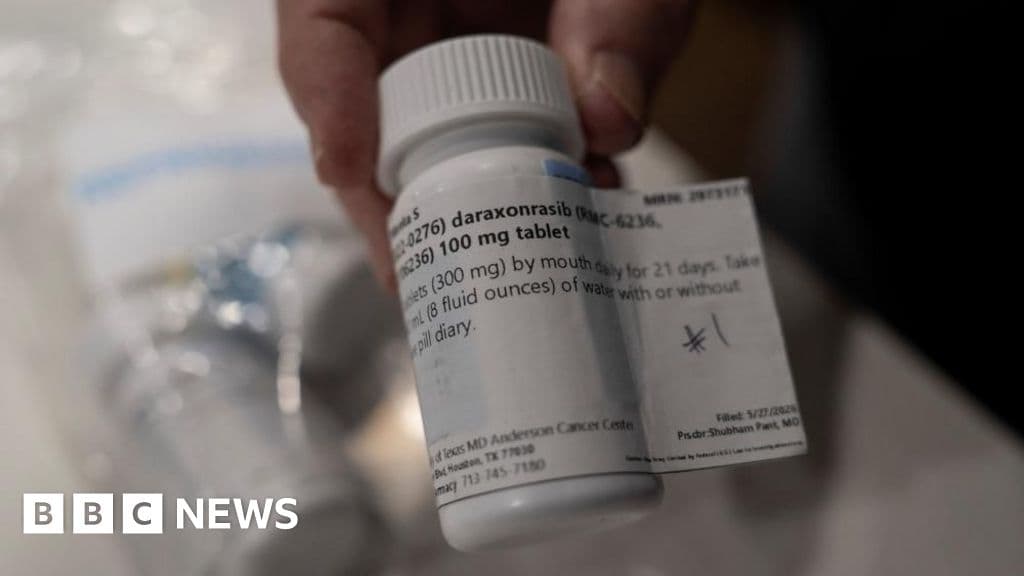
Discover how daraxonrasib, a new pill, is nearly doubling survival rates for pancreatic cancer patients, offering hope in a challenging battle against this deadly disease.
BBC Health
Waste companies propose a £5 deposit on vapes to encourage proper disposal and curb littering as the environmental impact of vapes increases.
BBC Business