Glipzo
WorldTechnologyBusinessSportsEntertainmentScienceHealthPolitics
Glipzo
WorldTechnologyBusinessSportsEntertainmentScienceHealthPolitics
  1. Home
  2. /
  3. Health
  4. /
  5. China's Groundbreaking Approval of Brain Chips: A New Era
China's Groundbreaking Approval of Brain Chips: A New Era

Image: Wired

Health
Friday, March 20, 20265 min read

China's Groundbreaking Approval of Brain Chips: A New Era

China has approved the first-ever brain chip for disability treatment, marking a significant leap in neurotechnology. Discover the implications and future of BCIs.

Glipzo News Desk|Source: Wired
Share
Glipzo

Key Highlights

  • China is the first country to approve a commercial brain chip.
  • NEO translates thoughts into movements for people with paralysis.
  • 32 individuals have tested the NEO implant successfully.
  • China aims to lead the global BCI industry by 2028.
  • The shift to brain-computer interfaces could redefine autonomy.

In this article

  • China Makes Historic Advancement in Brain Technology In a significant milestone for medical technology, **China** has officially become the first country to approve a **commercially available brain chip** aimed at treating disabilities. The device, known as **NEO**, has been developed by **Neuracle Medical Technology** and is designed to help individuals with paralysis regain control over their movements by translating their thoughts into actions of an assistive robotic hand. This breakthrough promises to change the lives of countless individuals who have lost mobility due to severe injuries.
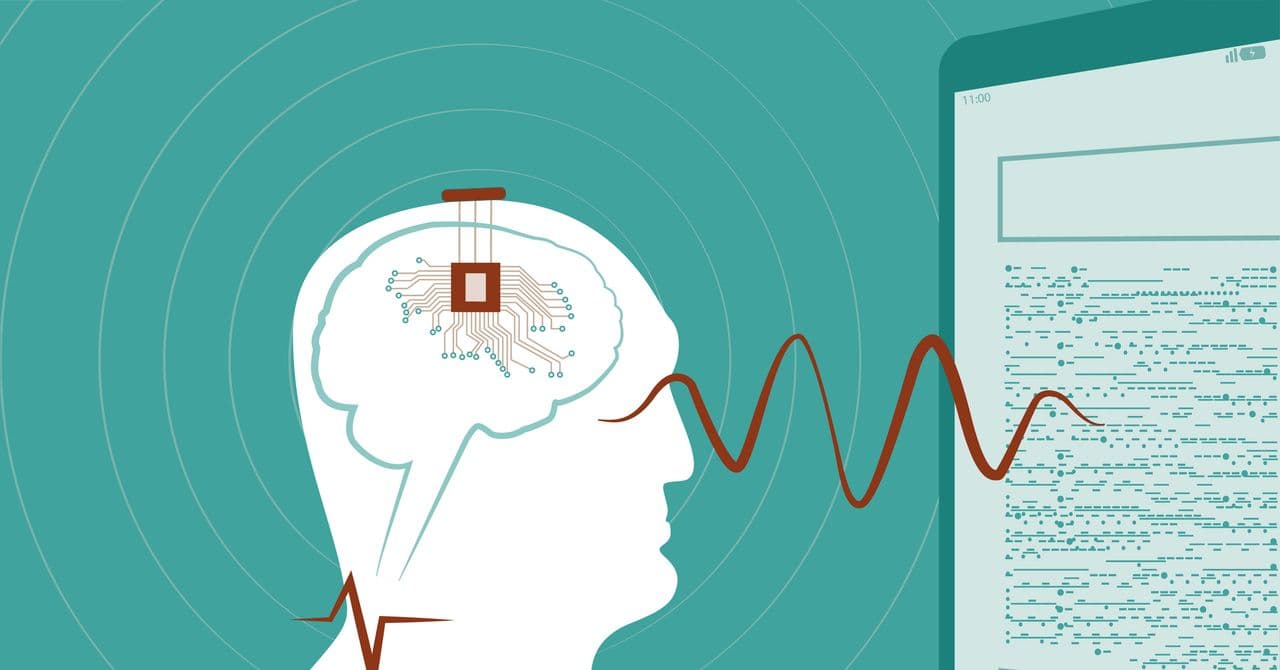
  • How NEO Works: A Closer Look at the Technology The NEO implant is a small device, roughly the size of a coin, which is embedded in the skull. It features **eight electrodes** that interface with the brain, specifically in the area responsible for body movement. When users think about moving their hand, the chip detects these neural signals and conveys them to a computer system. This system then translates the signals into direct actions performed by a **prosthetic glove**.
  • The Competitive Landscape and Future Prospects While NEO stands at the forefront of brain implant technology, it is essential to note that other companies are also venturing into this field. However, none have yet received the necessary regulatory approvals to market their innovations as medical treatments. Notably, **Neuralink**, a company founded by tech entrepreneur Elon Musk, has faced challenges related to side effects, delaying its path towards regulatory approval.
  • Non-Invasive Technologies: A Broader Vision The Chinese policy also emphasizes the mass production of **non-invasive, non-implantable devices**. These can take various forms, including forehead-mounted devices, head-mounted displays, and ear-mounted gadgets, similar to hearing aids and smart glasses. The government plans to test these technologies in high-risk industries such as: - Hazardous materials handling - Nuclear energy - Mining - Electricity generation
  • Restoring Autonomy: The Human Impact of Brain Implants The primary aim of brain implants like NEO is to restore autonomy and improve the quality of life for individuals with disabilities. Current experimental devices allow users to engage with technology using **thought alone**, enabling them to operate computers and other devices without physical movement. Moreover, emerging technologies are even beginning to explore the restoration of vision for those who have lost it.
  • What Lies Ahead: The Future of Brain-Computer Interfaces As the landscape of brain-computer interfaces evolves, we can expect to see rapid advancements in both technology and regulatory frameworks. China’s strategic goals in this area may inspire other countries to accelerate their own research and development efforts in BCI technology.

China Makes Historic Advancement in Brain Technology In a significant milestone for medical technology, **China** has officially become the first country to approve a **commercially available brain chip** aimed at treating disabilities. The device, known as **NEO**, has been developed by **Neuracle Medical Technology** and is designed to help individuals with paralysis regain control over their movements by translating their thoughts into actions of an assistive robotic hand. This breakthrough promises to change the lives of countless individuals who have lost mobility due to severe injuries.

The National Medical Products Administration of China granted approval for the NEO implant after an extensive 18-month testing period that confirmed its safety and efficacy. This revolutionary device is intended for use by adults aged 19 to 60 who suffer from paralysis caused by neck or spinal cord injuries. The approval represents a pivotal moment in the intersection of technology and healthcare, showcasing China's commitment to advancing innovative medical solutions.

How NEO Works: A Closer Look at the Technology The NEO implant is a small device, roughly the size of a coin, which is embedded in the skull. It features **eight electrodes** that interface with the brain, specifically in the area responsible for body movement. When users think about moving their hand, the chip detects these neural signals and conveys them to a computer system. This system then translates the signals into direct actions performed by a **prosthetic glove**.

The practical applications of NEO are impressive. Users can perform basic tasks such as: - Picking up objects - Manipulating utensils - Moving personal hygiene items

Reports indicate that 32 individuals have already participated in trials of this device, with no adverse side effects noted. This promising data paves the way for broader acceptance and use of brain-computer interfaces (BCIs) in clinical settings.

The Competitive Landscape and Future Prospects While NEO stands at the forefront of brain implant technology, it is essential to note that other companies are also venturing into this field. However, none have yet received the necessary regulatory approvals to market their innovations as medical treatments. Notably, **Neuralink**, a company founded by tech entrepreneur Elon Musk, has faced challenges related to side effects, delaying its path towards regulatory approval.

The emergence of NEO is particularly timely, as it aligns with a recent policy initiative from the Chinese government that seeks to establish a globally competitive BCI industry by the year 2028. This policy document outlines 17 strategic steps for fostering research, development, and application of BCI technologies. Experts like Phoenix Peng, cofounder of NeuroXess and Gestala, emphasize that this policy reflects a significant shift from theoretical concepts to practical products in the realm of BCI technology.

Non-Invasive Technologies: A Broader Vision The Chinese policy also emphasizes the mass production of **non-invasive, non-implantable devices**. These can take various forms, including forehead-mounted devices, head-mounted displays, and ear-mounted gadgets, similar to hearing aids and smart glasses. The government plans to test these technologies in high-risk industries such as: - Hazardous materials handling - Nuclear energy - Mining - Electricity generation

These developments signify a comprehensive approach to integrating brain-computer interfaces into diverse sectors, enhancing safety and efficiency.

Restoring Autonomy: The Human Impact of Brain Implants The primary aim of brain implants like NEO is to restore autonomy and improve the quality of life for individuals with disabilities. Current experimental devices allow users to engage with technology using **thought alone**, enabling them to operate computers and other devices without physical movement. Moreover, emerging technologies are even beginning to explore the restoration of vision for those who have lost it.

With the commercial approval of NEO, the industry is poised to enter a transformative phase where brain-computer interfaces are not just concepts, but tangible solutions that can improve lives. This advancement could serve as a catalyst for future innovations in neurotechnology, paving the way for even more sophisticated applications.

What Lies Ahead: The Future of Brain-Computer Interfaces As the landscape of brain-computer interfaces evolves, we can expect to see rapid advancements in both technology and regulatory frameworks. China’s strategic goals in this area may inspire other countries to accelerate their own research and development efforts in BCI technology.

Key areas to watch include: - The commercialization of additional brain implants - Advancements in non-invasive brain interface technologies - The ethical implications of widespread BCI adoption - Global responses to China’s lead in this competitive field

As we stand on the brink of a new era in neurotechnology, the implications of these developments extend beyond the medical field, potentially reshaping how we understand and interact with technology itself. Brain chips like NEO not only promise improved autonomy for individuals with disabilities but also signal a future where the lines between human cognition and machine intelligence blur increasingly.

This groundbreaking approval sets the stage for a new chapter in the ongoing quest to merge human capabilities with technology, unlocking unprecedented possibilities for innovation and rehabilitation.

Did you find this article useful? Share it!

Share

Related Articles

Shocking Child HIV Outbreak Linked to Unsafe Hospital Practices
Health
Apr 14, 2026

Shocking Child HIV Outbreak Linked to Unsafe Hospital Practices

A shocking HIV outbreak in Taunsa, Pakistan, linked to unsafe syringe practices at a local hospital, raises urgent questions about healthcare safety.

BBC World
Doubts About Contraception: A Sex Educator's Struggle
Health
Apr 14, 2026

Doubts About Contraception: A Sex Educator's Struggle

A sex educator shares her doubts about hormonal contraception influenced by social media. Explore the impact of misinformation and personal experiences.

BBC Health
New School Dinner Rules: Deep-fried Foods Banned in England
Health
Apr 14, 2026

New School Dinner Rules: Deep-fried Foods Banned in England

Discover England's groundbreaking plan to ban deep-fried foods in schools, ensuring healthier meals for children starting September 2027.

BBC Health

Categories

  • World
  • Technology
  • Business
  • Sports

More

  • Entertainment
  • Science
  • Health
  • Politics

Explore

  • Web Stories
  • About Us
  • Contact

Legal

  • Privacy Policy
  • Terms of Service

© 2026 Glipzo. All rights reserved.