

Image: The Hindu
Delhi experiences an unexpected chill as minimum temperatures drop to 13°C, 3.5 degrees below normal. What does this mean for residents? Find out more.
GlipzoIn a surprising turn of weather, Delhi experienced a notable drop in temperature, with the minimum reaching 13°C on March 22, 2026. This reading is a significant 3.5 degrees below the seasonal norm, leaving residents feeling the bite of the chilly winds that swept through the city overnight. The maximum temperature also fell short of expectations, recording 27.4°C, which is 3.9 degrees below normal for this time of year.
This unusual cold snap has sparked conversations among residents, many of whom are donning warmer clothing and reminiscing about the brisk weather of previous years. Just as a point of reference, on the same date in 2020, Delhi recorded its coldest March day since then, with temperatures plummeting to 21.2°C.
Weather fluctuations have become increasingly common in Delhi, highlighting the city's struggle with climate patterns. While March generally signals the onset of warmer days, this recent cold snap serves as a stark reminder of the unpredictable nature of weather in the region.
Factors contributing to these changes may include urbanization and climate change, which can exacerbate temperature extremes. As the city grapples with its identity amid changing climates, the need for adaptive strategies becomes apparent.
For the people of Delhi, this sudden drop in temperature might lead to various impacts, including: - Increased energy consumption: As residents turn to heaters and warm clothing, energy bills may rise. - Health concerns: Cold weather can affect vulnerable populations, leading to increased cases of respiratory issues and other health-related problems. - Cultural practices: With the arrival of chillier conditions, traditional warm foods and drinks may become more popular.
The recent temperature drop in Delhi is a microcosm of larger global climate trends. Scientists around the world are studying how urban areas respond to climate change, and Delhi is no exception. The city's unique geographical positioning makes it susceptible to various climatic influences, leading to unpredictable weather patterns.
By understanding these shifts, urban planners and policymakers can better prepare for future weather events, ensuring public safety and comfort. There is a growing call for sustainable urban development practices that can help mitigate the effects of climate change in rapidly evolving cities like Delhi.
As residents adapt to this sudden chill, the question remains: what can we expect in the coming days? Forecasters warn that the fluctuating temperatures may continue, with potential for further drops in temperature before a return to more typical March conditions.
In summary, the recent drop in Delhi’s temperatures serves as a crucial reminder of the volatility of weather patterns influenced by climate change. As temperatures hover around the cooler end of the spectrum, it is vital for residents to remain adaptable and prepared for whatever nature may throw their way.
Looking forward, keeping an eye on weather updates will be essential for the people of Delhi. With the potential for additional temperature variations, staying informed is key to navigating the city's changing climate. Residents are encouraged to engage in community discussions about sustainable practices that can help combat the adverse effects of climate change in the long run.
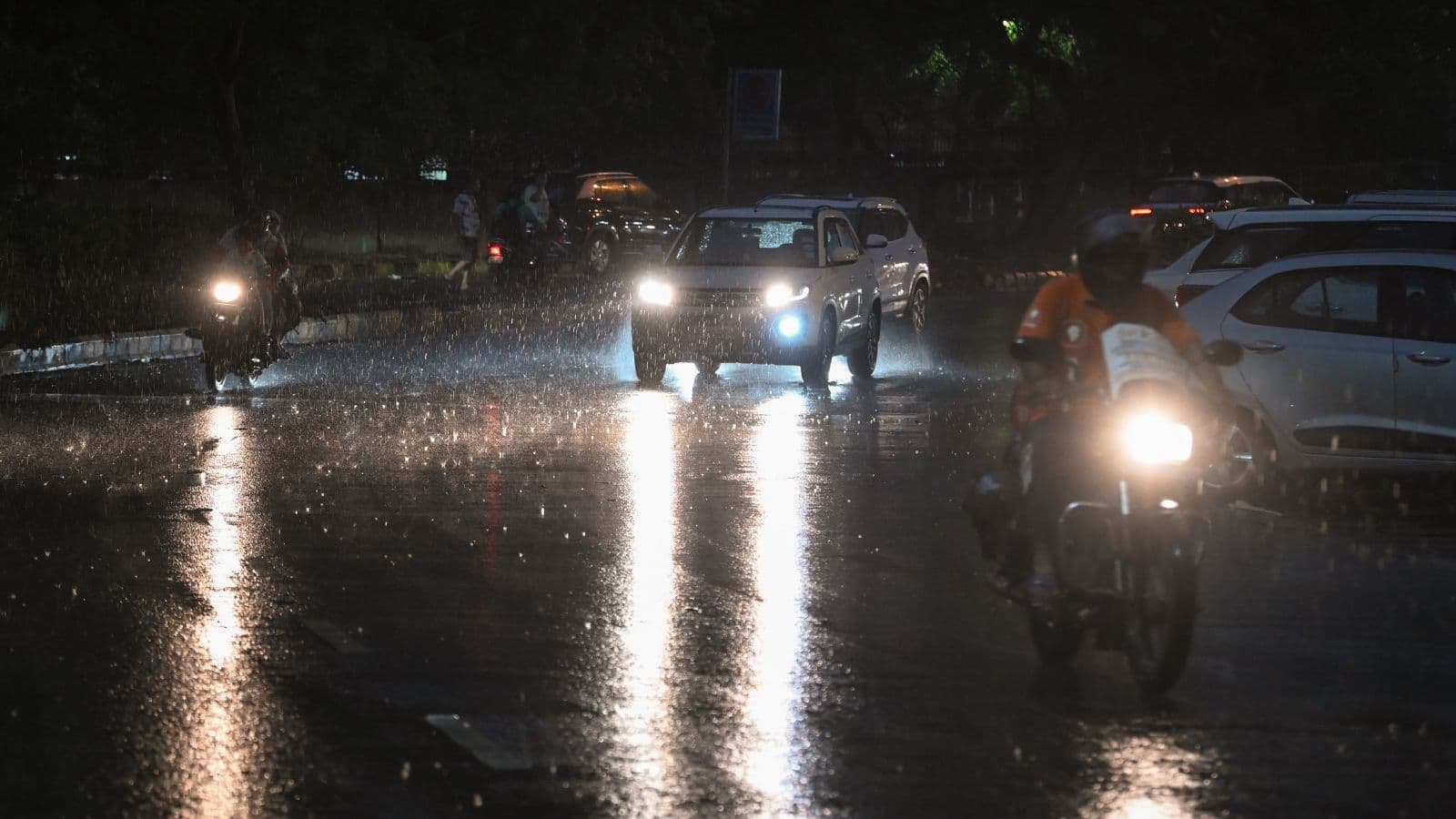
Delhi-NCR experiences thunderstorms bringing temporary relief from heat. What’s next for the city’s weather? Click to find out more!
Indian Express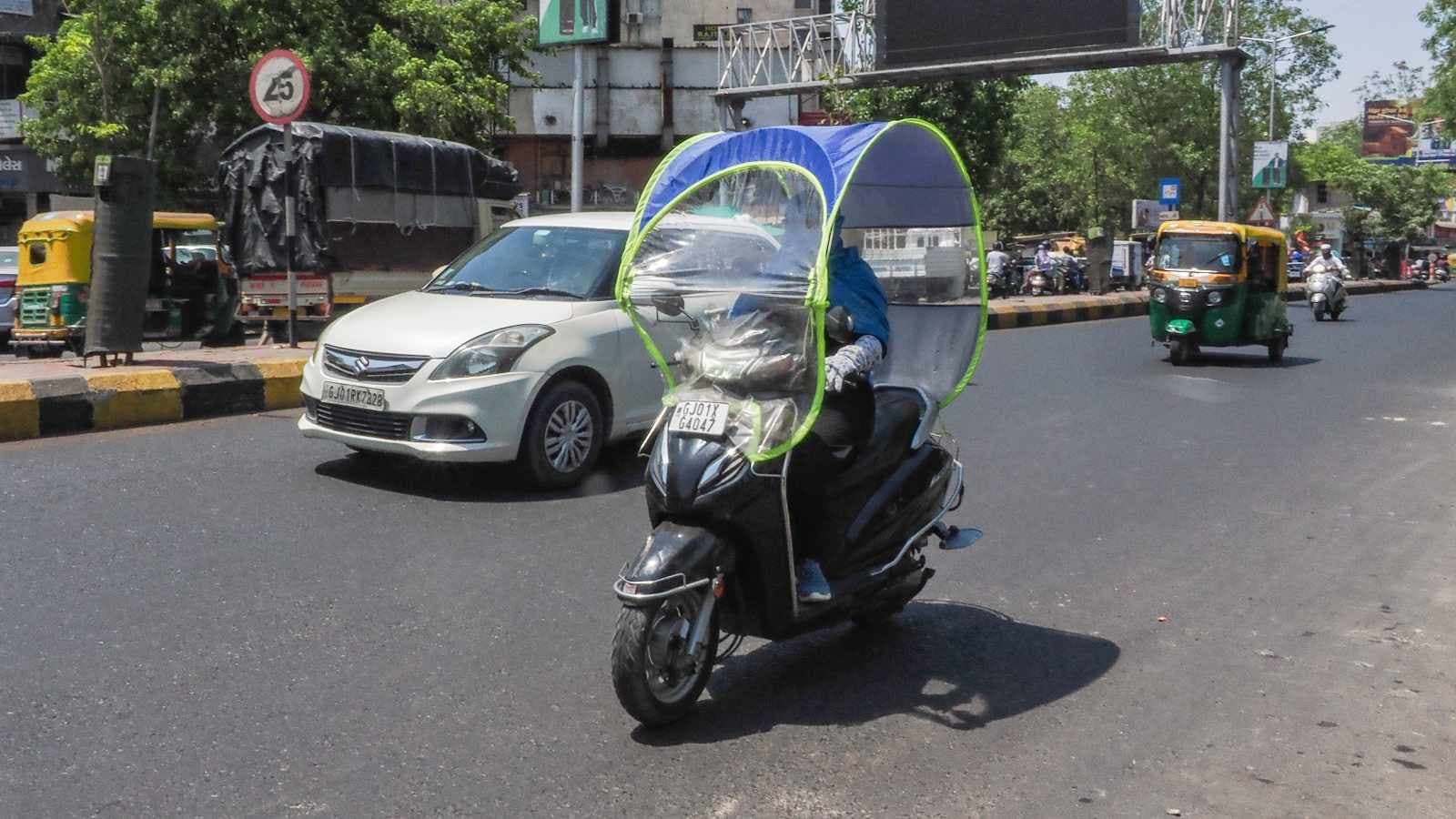
A critical heatwave continues to impact northwest and central India, with relief expected after May 29. Stay informed for updates on this weather phenomenon.
Indian Express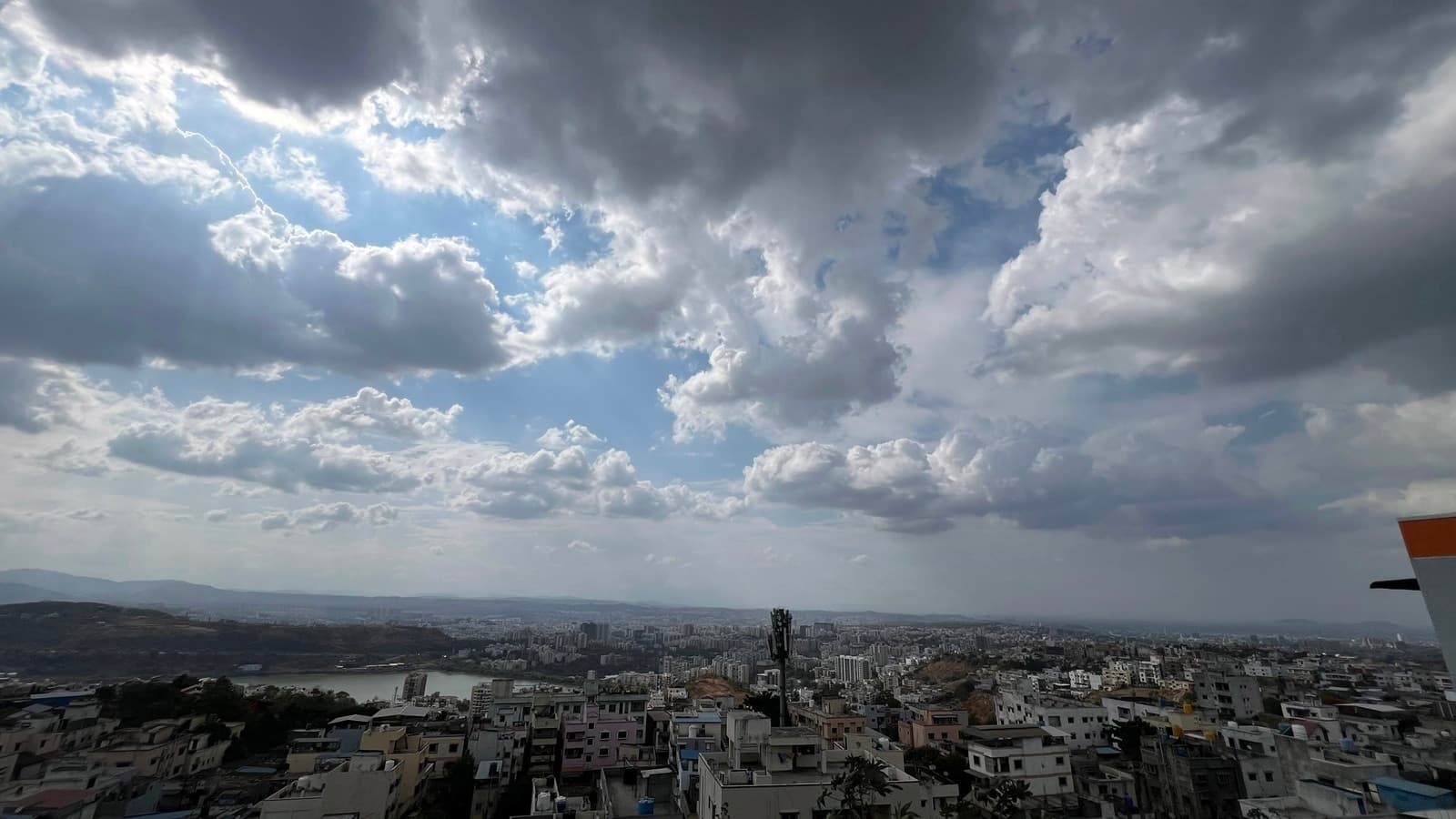
Pune residents can expect a temperature drop and thundershowers next week as Westerly winds bring moisture, offering relief from the recent heatwave.
Indian Express