
Image: BBC World
Chiang Mai's air pollution crisis is forcing families to consider relocation for health reasons as nosebleeds and other symptoms emerge in children.
GlipzoAs the air pollution crisis intensifies in Chiang Mai, many families are grappling with the health implications of deteriorating air quality. Tirayut Wongsantisuk, a 41-year-old resident, is seriously considering relocating with his family due to the alarming rise in air pollution, particularly during this time of year. With two of his daughters suffering from frequent nosebleeds, Tirayut reflects on the concern that weighs heavily on parents: "I've been thinking, maybe we really should move during this time... because if something bad happens to our child, we'll feel terrible forever."
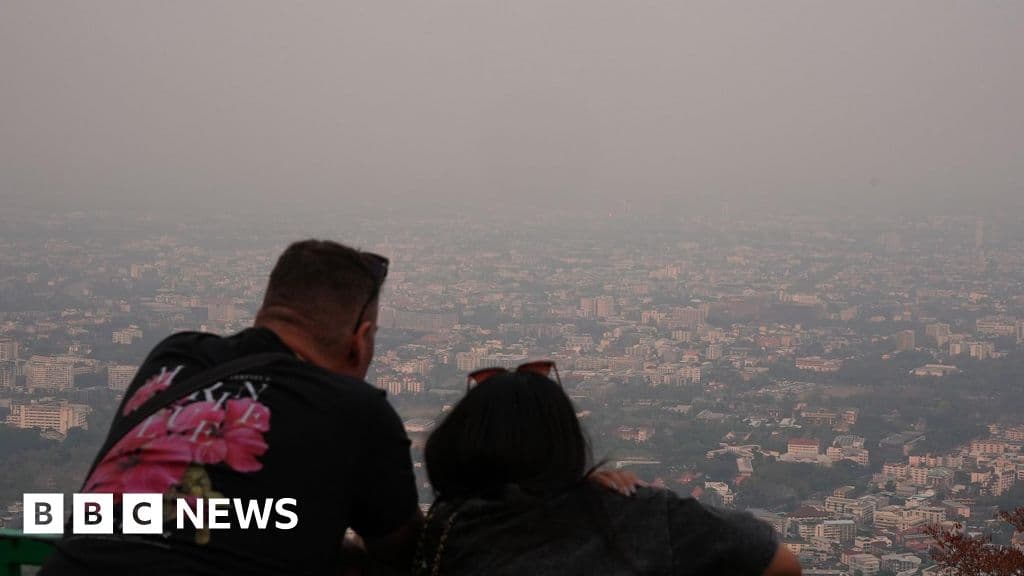
This year, Chiang Mai has been thrust into the spotlight as one of the world's most polluted cities, according to data from IQAir. The region is currently engulfed in a thick haze, a dire consequence of rampant fires that have been choking northern Thailand. During a recent visit from BBC Thai, the once picturesque mountainous views were obscured by a dense layer of smoke, accompanied by a persistent burning odor that has become synonymous with the local air quality crisis.
Satellite data revealed a staggering 4,750 hotspots across Thailand, primarily located in forested regions, as of Tuesday. The PM2.5 levels in Chiang Mai were classified as “very unhealthy,” indicating a concentration of hazardous particles smaller than 2.5 micrometers that pose serious health risks. The peak fire season in this region typically spans from November to March, as farmers engage in the practice of burning fields in preparation for new crops. In addition to agricultural fires, natural wildfires have also intensified due to dry conditions in both forests and farmland.
Local media outlets have captured harrowing images of mountains engulfed in flames, with residents likening the fires to “volcanoes erupting,” as reported by Khaosod.
Authorities have responded to the escalating crisis by closing parks at high risk of fires and issuing stern warnings against illegal burning activities. Those found guilty of initiating forest fires face severe penalties, including up to 20 years in prison and fines reaching 2 million baht (approximately $61,100 or £46,200).
The health implications of the hazardous haze are alarming. Exposure can lead to a range of issues, from itchy eyes and nosebleeds to more severe conditions like heart attacks. Tirayut's six-year-old daughter has already experienced severe symptoms, including nosebleeds, a rash, and an allergic reaction that left her eyelids swollen.
Amidst these concerns, Benjamas Jaiparkan, a 35-year-old public school teacher, has taken proactive measures to protect her children. She has temporarily relocated her children to the neighboring Phayao province, known for its better air quality, to live with relatives. However, Benjamas is contemplating a permanent move away from Chiang Mai due to the worsening conditions, particularly worried about her four-year-old son, who began experiencing nosebleeds last year. She expressed her anguish, stating, “I feel so sorry for him because I don't know how much more his lungs can take.”
The ongoing crisis has sparked significant activism among residents and environmental advocates in Thailand. Over the years, many have taken legal action to demand government accountability in addressing the pollution crisis. In July 2023, around 1,700 residents from Chiang Mai filed a lawsuit against former Prime Minister Prayut Chan-o-cha and two state agencies, alleging neglect in their duty to combat pollution, which they argue is reducing life expectancy by nearly five years.
In a recent development, a Chiang Mai court mandated the government to create an emergency plan aimed at improving air quality within 90 days, indicating a growing urgency to tackle this escalating public health crisis.
The hazardous haze is not limited to Chiang Mai; it has spread to other areas in Southeast Asia, with a significant number of hotspots emerging in Malaysia and Indonesia—the highest in seven years. As governments scramble to address these environmental challenges, the collective impact on public health continues to rise, raising alarms about the need for immediate action.
As the crisis unfolds, the residents of Chiang Mai are left grappling with difficult choices for their families’ health. The combination of seasonal fires and poor air quality has created a perfect storm of environmental health risks that may compel families to leave their homes in search of safer conditions.
In the coming weeks, all eyes will be on the government’s response to the court’s ruling and whether it can devise effective strategies to combat air pollution.
As public awareness increases and activism intensifies, the future of Chiang Mai’s air quality and the well-being of its residents hangs in the balance. Will the government rise to the occasion, or will families continue to seek refuge from the toxic haze?
This situation serves as a stark reminder of the urgent need for sustainable environmental policies and effective community action to protect public health and ensure a safe living environment for future generations.

Shocking findings from Nottingham's maternity unit reveal a toxic culture and alarming neglect. What can be done to improve care? Discover the details.
BBC Health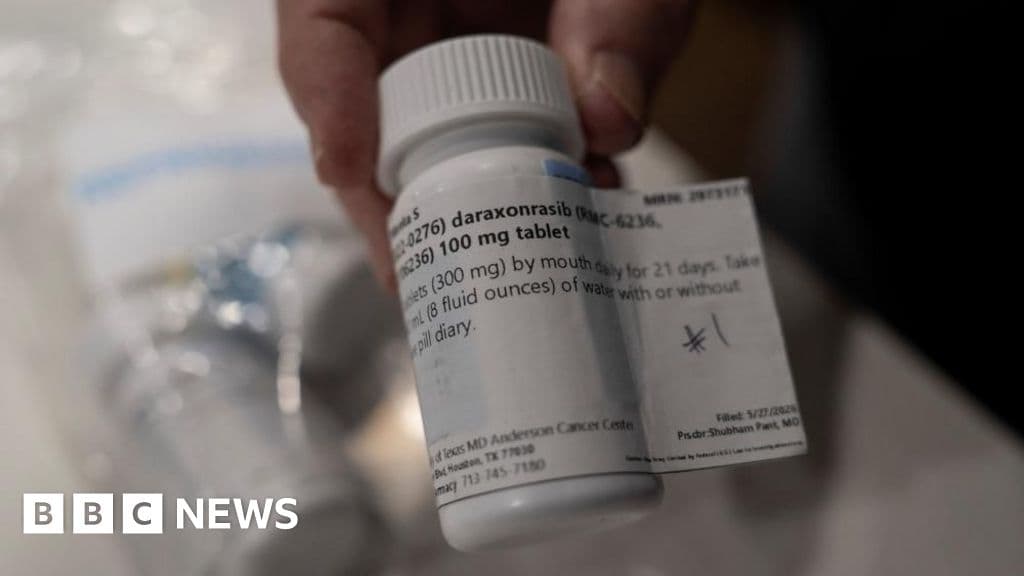
Discover how daraxonrasib, a new pill, is nearly doubling survival rates for pancreatic cancer patients, offering hope in a challenging battle against this deadly disease.
BBC Health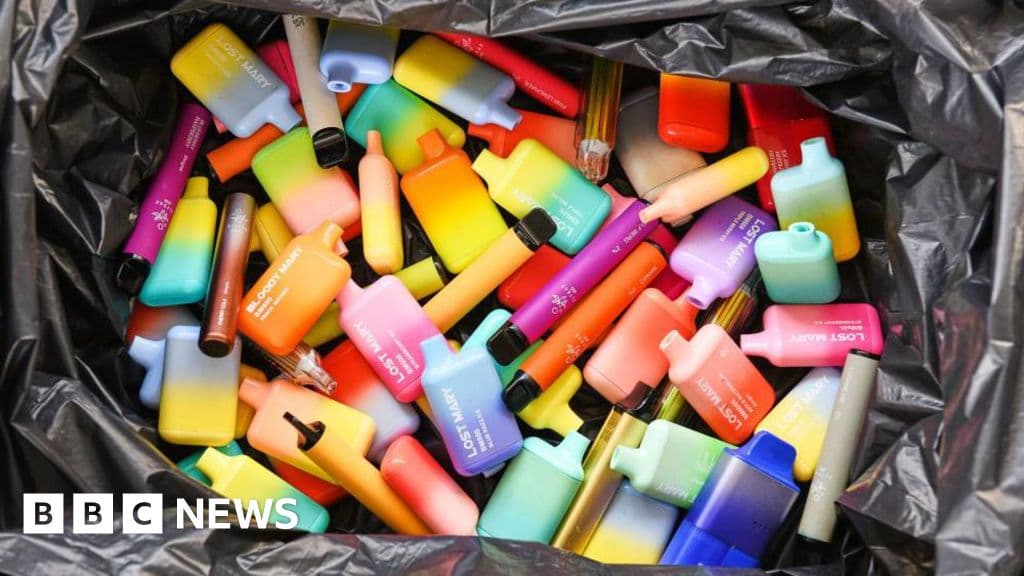
Waste companies propose a £5 deposit on vapes to encourage proper disposal and curb littering as the environmental impact of vapes increases.
BBC Business