
Image: BBC Business
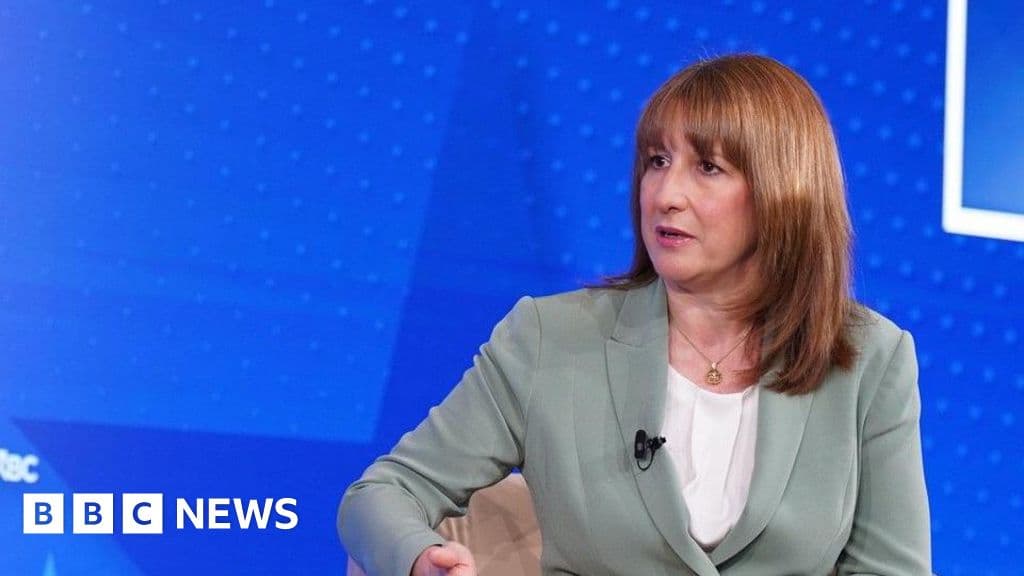
Chancellor Rachel Reeves criticizes the US-Iran war as a mistake, urging for diplomatic solutions to avert economic turmoil. What’s next for global relations?
GlipzoIn a bold statement at the Invest in America Forum in Washington, D.C., Chancellor Rachel Reeves articulated her strong disapproval of the United States' military conflict with Iran, labeling it a significant "mistake." This comes amid heightened tensions and deteriorating diplomatic relations following the U.S.'s decision to abandon negotiations with Iran in favor of military action. Reeves emphasized the pressing need for de-escalation, stating, "The best economic policy now, not just for the UK, but globally, is to de-escalate." She called for an end to hostilities, arguing that continued conflict threatens not just the UK but the global economy.
The UK government has distanced itself from the U.S. military’s blockade of the crucial Strait of Hormuz, emphasizing that it will play no part in the operation aimed at increasing pressure on Iran. Despite rising tensions, Reeves affirmed the strength of the UK-U.S. relationship, noting, "Friends are allowed to disagree." However, she acknowledged that the ongoing conflict poses a risk not only to diplomatic ties but also to global economic stability.
The International Monetary Fund (IMF) has sounded alarm bells over the potential repercussions of the U.S.-Israel conflict with Iran, predicting it could plunge the global economy into recession. The UK, in particular, is expected to face the most significant economic fallout among advanced economies. Reeves conveyed her skepticism regarding the war's impact on global safety, stating, "I'm not convinced that this conflict has made the world a safer place."
The impact of the conflict on energy prices has been profound, with costs surging since the war commenced over six weeks ago. This spike has led to a marked decline in shipping traffic through the Strait of Hormuz, a vital route for oil and gas exports. Reeves remarked that the military action has not only immediate economic consequences for the UK but could also lead to long-lasting damage to essential oil and gas infrastructures in the Middle East.
Reeves, while sharing the previous U.S. administration's critical stance on the Iranian regime, stressed the importance of diplomacy as a tool for change. She pointed out that Iran does not currently possess a nuclear weapon and argued that diplomatic routes were previously being explored before the conflict escalated. "There was a diplomatic channel open; conversations, formal discussions were happening," she stated.
Reflecting on the U.S.'s objectives in the conflict, Reeves pointed out the ambiguity surrounding whether the goal was regime change, the end of Iran's nuclear ambitions, or a return to diplomatic negotiations. She expressed her concerns that the military approach has muddied the waters instead of clarifying U.S. intentions. "If the aim is to reopen the Strait of Hormuz for shipping, it was open just weeks ago," she noted, implying that the situation could have been managed without military intervention.
Looking ahead, Chancellor Reeves highlighted that UK Prime Minister Sir Keir Starmer and French President Emmanuel Macron are set to convene discussions on Friday to strategize on ensuring safe navigation through the Strait of Hormuz in the event of a ceasefire. She affirmed the UK's commitment to playing a constructive role in resolving the conflict, stating, "We are ready to play our part." However, she reiterated that the Strait had remained open prior to the military actions.
Despite her criticisms, Reeves maintained that the UK and U.S. share a robust relationship. However, former President Donald Trump recently expressed a different sentiment regarding the "special relationship" between the two nations, suggesting that it had soured. Trump remarked, "When we asked them for help, they were not there. When we needed them, they were not there." These statements reflect a growing divide in perspectives on international collaboration.
In its latest World Economic Outlook, the IMF revised its growth forecast for the UK down to 0.8% from an earlier prediction of 1.3% made before the conflict began. Reeves acknowledged the significant economic strain the conflict imposes on the UK, which is a net importer of gas. She stated, "Our growth will be higher and inflation will be lower if the conflict comes to an end."
Despite the grim outlook, she expressed confidence in the UK's ability to surpass economic forecasts, drawing on the country’s resilience over the past year. In a candid interview, Reeves admitted to feeling "very frustrated and angry" with the U.S. approach to the war, particularly concerning the absence of a clear exit strategy.
As the situation continues to evolve, all eyes will be on the upcoming discussions in France and the potential for a ceasefire. The international community will be keenly watching how diplomatic channels can be reopened to avoid further escalations and economic turmoil. Only time will tell whether the U.S. and its allies will heed the call for a return to diplomacy or persist in military endeavors that could have far-reaching consequences.
The UK’s position on the conflict with Iran signals a critical juncture in international diplomacy and economic strategy. As countries navigate the complexities of war and peace, the emphasis on diplomatic solutions over military ones could redefine global economic relations and security dynamics. The ongoing situation serves as a stark reminder of the interconnectedness of today's geopolitical landscape, urging leaders to prioritize dialogue over conflict.

Tensions soar as the US and Iran engage in air strikes near the Strait of Hormuz, raising concerns over global oil supply and regional stability.
BBC World
Trump's international interventions face serious stalemates. What will this mean for U.S. foreign policy? Explore the critical challenges ahead.
Indian Express
Tehran denies resignation of President Masoud Pezeshkian amid claims of IRGC influence. What does this mean for Iran's political stability? Click to learn more!
Indian Express