
Image: Indian Express
CET 2026 sparks outrage in Bengaluru as students forced to remove sacred threads during exams. What will the government do next? Click to find out!
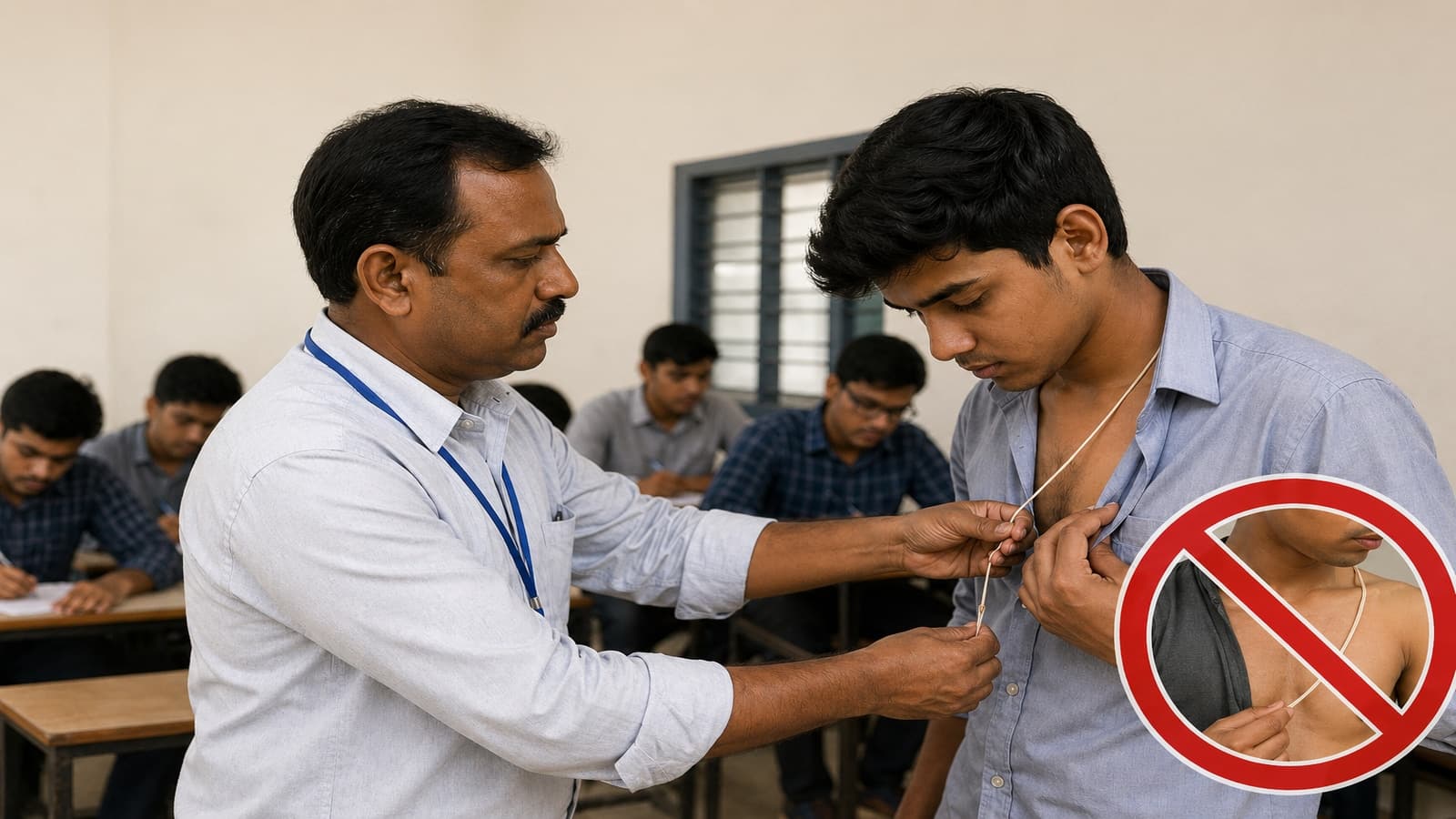
GlipzoA significant controversy has unfolded in Bengaluru as students participating in the Common Entrance Test (CET 2026) faced pressure to remove their sacred threads, known as Janeu or Yajnopaveetha, during the examination. This incident occurred on Friday at Krupanidhi College, where students reported that invigilators demanded the removal of these religious symbols if they wished to sit for the exam.
The CET is a crucial examination for students seeking admission to various professional courses in Karnataka, making this incident even more alarming for the affected students and their families. Despite a previous assurance from the state government last year that students would not be required to remove their sacred threads, reports indicate that the same issue has resurfaced, leaving many students feeling vulnerable and discriminated against.
One student recounted the experience, stating, "When I arrived at the examination center, the teachers made me remove my earring, which I understand due to the no-metal policy. However, they also insisted that I take off my sacred thread. I felt I had no choice but to comply with their demands." This sentiment was echoed by others, who expressed frustration over the lack of respect for their religious beliefs.
In addition to the Janeu, some students reported that invigilators also removed the Mauli or Kalava, the traditional sacred thread worn around the wrist. These threads hold significant cultural and religious importance for many students, making the invigilators' actions even more distressing. Following the examination, concerned parents arrived at the college to voice their grievances, questioning the motives behind such actions in light of the standing directives from the government.
The issue of sacred threads in educational settings is not new. In the past, similar controversies arose in areas like Shivamogga and Bidar, prompting M C Sudhakar, the state’s Higher Education Minister, to assure parents that those responsible for enforcing such policies would face consequences. Even Chief Minister had instructed that students should not be compelled to remove their sacred threads during examinations. Yet, the recurrence of this incident raises serious questions about the enforcement of these directives.
The state's mixed messaging on this sensitive issue has left students and their families disheartened. Parents are now demanding accountability from both the college administration and the government's education department for failing to uphold their commitments to respect religious practices during exams.
This incident underscores the critical need for educational institutions to cultivate an environment that respects and acknowledges the diverse cultural backgrounds of their students. The CET is meant to be a fair and inclusive examination; however, incidents like these create an atmosphere of exclusion and discrimination.
As discussions around this topic gain momentum, it is vital for educational authorities to establish clear guidelines that are not only communicated effectively but also adhered to rigorously. Students should feel safe and respected in their examination environments, and institutions must work to ensure that religious practices do not become points of contention.
The fallout from this incident may lead to increased scrutiny of examination policies regarding religious symbols. As parents and advocacy groups rally for change, it is likely that the government will need to intervene more decisively to prevent future occurrences.
In the coming weeks, stakeholders will be watching closely to see if the government takes action to reinforce its previous directives. Potential outcomes could include: - Revised guidelines for examination protocols that explicitly protect religious symbols. - Training for invigilators to ensure they understand the cultural significance of sacred threads. - Increased dialogue between educational institutions, students, and parents to foster mutual respect and understanding.
As the CET continues to be a pivotal part of Karnataka's educational landscape, it is crucial for authorities to address these concerns swiftly. The goal should be to create an examination experience that respects individual beliefs while maintaining the integrity and security of the testing environment.
The actions taken in the aftermath of this controversy will be closely monitored by students, parents, and educational advocates alike, as they seek to ensure that such incidents do not happen again.
This situation highlights a significant intersection between education, culture, and religion in India. The ability of students to express their beliefs freely is fundamental in a diverse society. Ensuring that students can participate in examinations without compromising their cultural identity is not only a matter of policy but also of fundamental rights.
As we look to the future, the CET must become a symbol of inclusivity, promoting respect for all students, regardless of their background or beliefs. The next steps taken by the authorities will be critical in shaping the educational landscape in Karnataka for years to come.
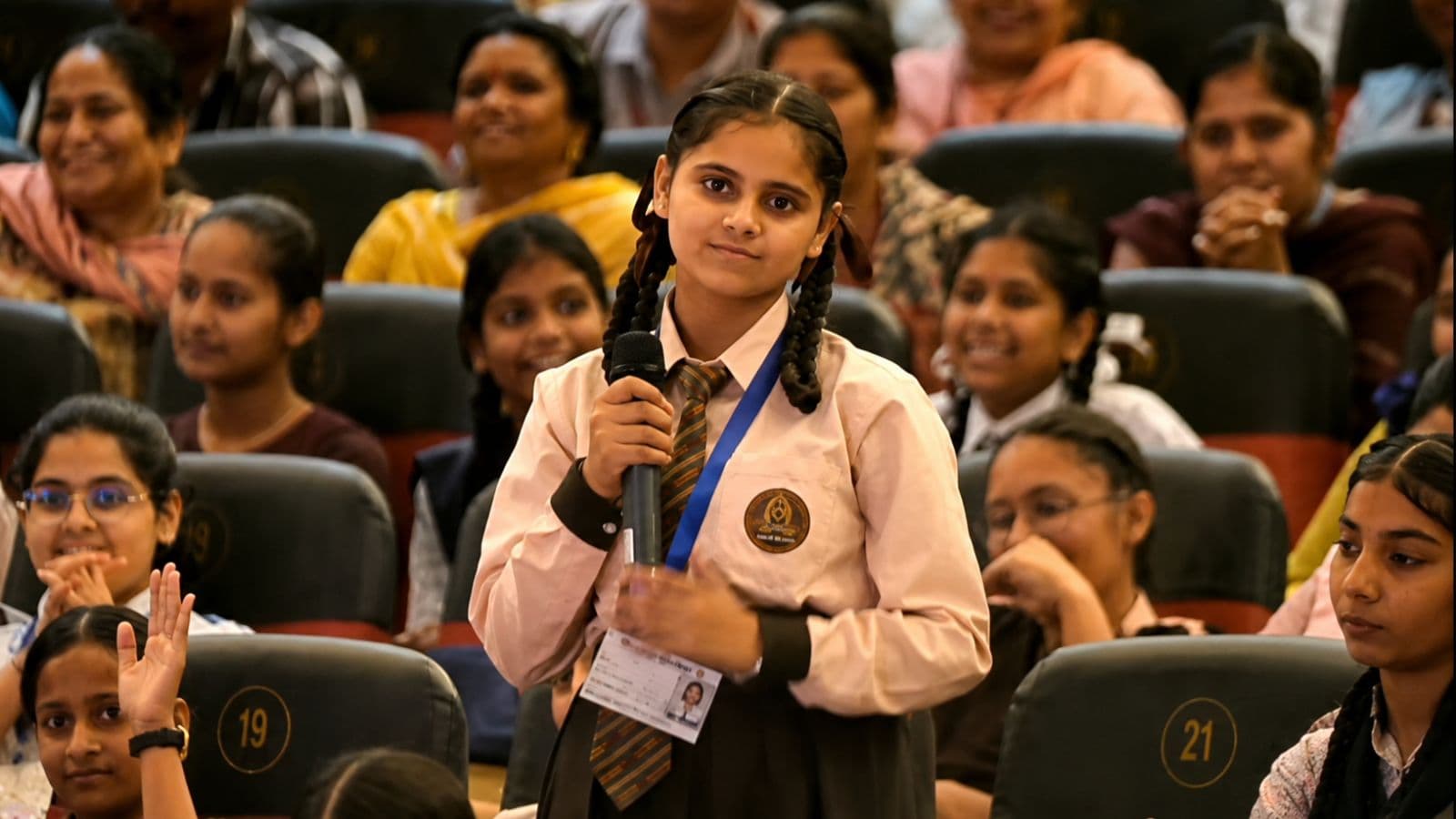
Amritsar student questions age-based ranking, prompting Punjab CM to reform PSEB policies. A significant change towards merit-based recognition is underway.
Indian Express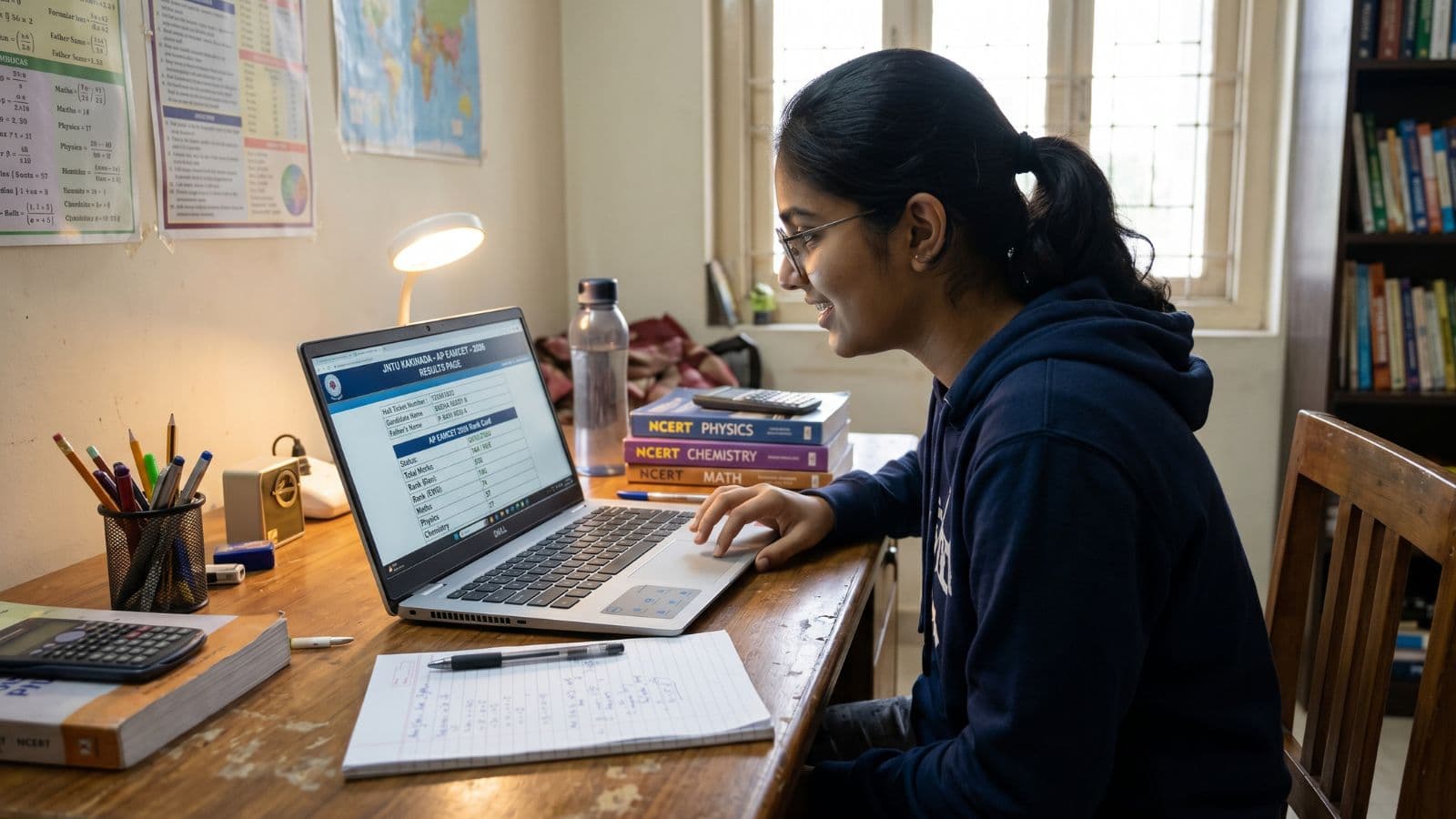
AP EAMCET 2026 results are out! Discover how to check your scorecard and navigate the upcoming counselling process for college admissions.
Indian Express
CBSE's new OSM system faces backlash as students struggle with re-evaluation. Will their futures be jeopardized by technical flaws?
Indian Express