
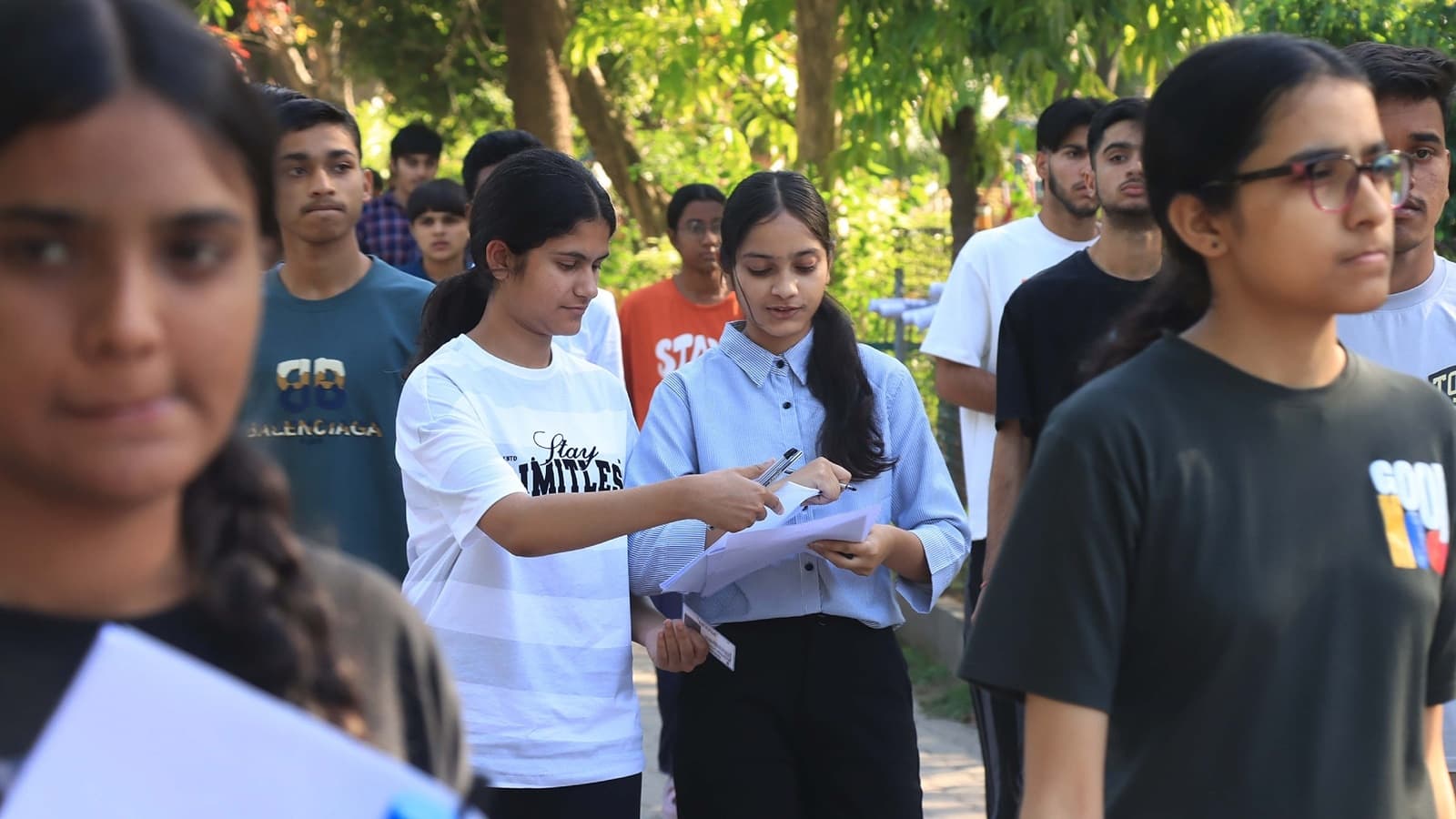
Image: Indian Express
CBSE's new language policy sparks confusion and concern in Delhi schools, leaving parents and educators scrambling to adapt mid-session.
GlipzoIn a surprising development that has left educators and parents stunned, the Central Board of Secondary Education (CBSE) has introduced a new policy mandating the addition of a third language for students in Class 9 starting this July. This decision comes just weeks after the commencement of the academic year, leading to significant disruption in schools across Delhi. The sudden implementation of this directive has forced many educators to re-evaluate their curricula and language offerings mid-session, creating a chaotic environment for both students and staff.
The new initiative is part of the extension of the three-language formula to the secondary stage. According to a circular issued on May 15, this policy requires that at least two of the three languages be Indian. However, schools are expressing concern that this will predominantly lead to a focus on Hindi, English, and Sanskrit due to existing resource and staffing limitations.
Mallika Preman, the Principal of Tagore International School located in East of Kailash, voiced her frustration regarding the timing of this directive. "It’s a little too late in the session. We have already covered two to three lessons, and now suddenly we are being asked to change everything," she explained. Preman highlighted the challenges of accommodating students who have never studied Sanskrit, raising concerns about how to elevate their proficiency to match their peers.
The confusion extends beyond classroom adjustments. A principal from a school in Dwarka, who wished to remain anonymous, described the distressing impact on foreign language teachers. "Earlier, when a third language was made mandatory from Class 6, I reassured my foreign language teachers that they had time to prepare for the CTET (Central Teacher Eligibility Test) and B.Ed. Now, I’m uncertain about their future," the principal lamented, indicating potential layoffs for staff who may now be deemed redundant.
The abrupt policy change has not only disrupted lesson plans but has also jeopardized previously established cultural exchange programs and language activities. Aruna Sivaraj, Principal at Himalaya Public Senior Secondary School in Rohini, pointed out that students who have invested years learning foreign languages such as French or Spanish are now being compelled to switch to learning Sanskrit. "Most schools have been teaching these languages. I don’t know how this is being made mandatory all of a sudden," she expressed.
School leaders are increasingly concerned about the implications for students in Classes 7 and 8, who will now have to focus on two Indian languages. This shift raises questions about the long-term effects on students who are required to abandon foreign languages mid-course. Pallavi Sharma, Principal of Mamta Modern Senior Secondary School in Vikaspuri, emphasized the uncertainty surrounding the classification of English within this framework. "There is no clarity on whether English is to be treated as a foreign or native language," she stated, underlining the confusion that permeates the situation.
The abruptness of these changes has not gone unnoticed by parents, who are expressing their discontent and concern for their children's education. Aparajita Gautam, president of the Delhi Parents Association, criticized the CBSE for treating students like experiments. "Parents are panicking. They are not able to process the sudden changes. Children are being treated like guinea pigs by CBSE, and then the same people ask why children are under so much stress," she declared.
Another parent from a South Delhi parents’ group echoed these sentiments, stressing the difficulties of transitioning students between cities. "This will also not help families that do not live in their home states, and it is hard to teach if parents themselves don’t know the language," the parent pointed out, highlighting the broader ramifications of this policy.
The introduction of the three-language rule mid-session raises critical questions about the future landscape of education in India. With the emphasis on Indian languages, schools may face challenges in maintaining a diverse linguistic curriculum that prepares students for a globalized world. Furthermore, the lack of clarity from the CBSE has left educators and parents alike grappling with the implications for their children's educational journeys.
As this situation continues to unfold, stakeholders in the education sector are calling for a transparent dialogue with the CBSE. It is crucial for educational authorities to reassess the implementation timeline of such significant changes to ensure that neither students nor teachers are left in the lurch.
Looking ahead, parents and educators will be watching closely to see how the CBSE addresses these concerns in the coming weeks. The potential for policy reevaluation or adjustment could alleviate some of the pressures currently faced by schools. Meanwhile, the discourse surrounding language education in India is bound to evolve, prompting discussions about the importance of maintaining linguistic diversity in an increasingly interconnected world. As the academic year progresses, the impacts of this controversial policy will continue to shape the educational experiences of students across Delhi.
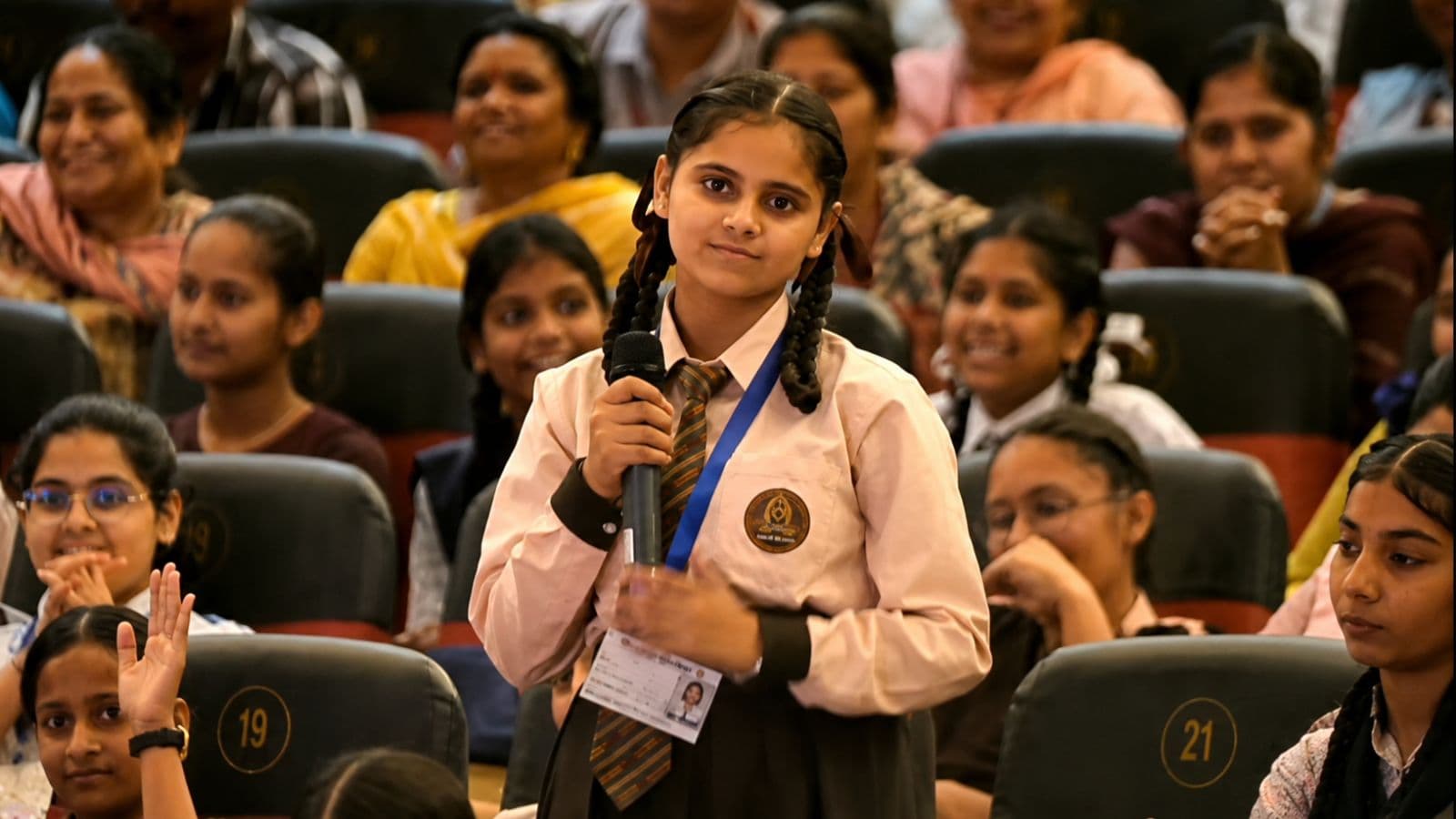
Amritsar student questions age-based ranking, prompting Punjab CM to reform PSEB policies. A significant change towards merit-based recognition is underway.
Indian Express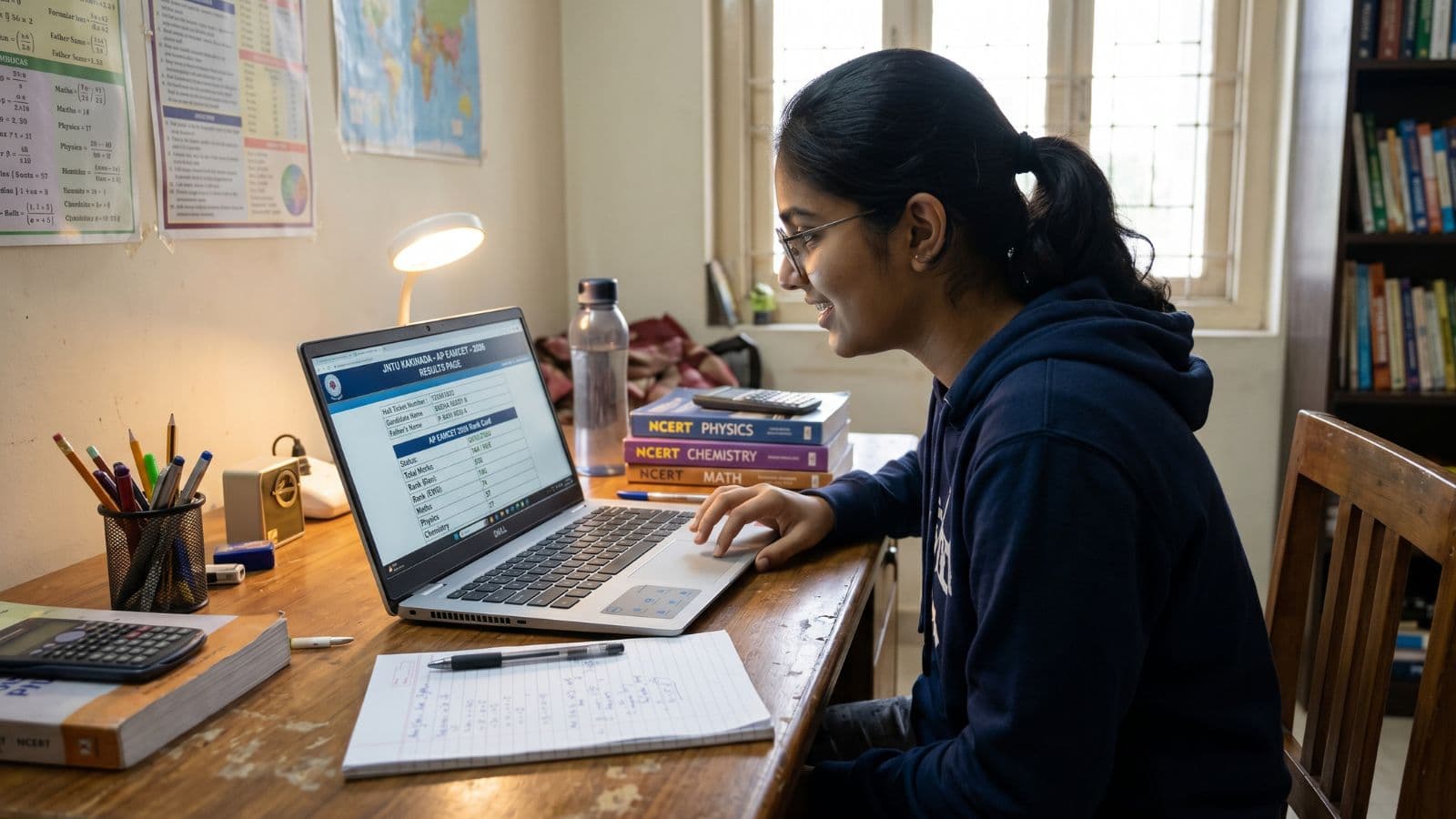
AP EAMCET 2026 results are out! Discover how to check your scorecard and navigate the upcoming counselling process for college admissions.
Indian Express
CBSE's new OSM system faces backlash as students struggle with re-evaluation. Will their futures be jeopardized by technical flaws?
Indian Express