
Image: BBC Business
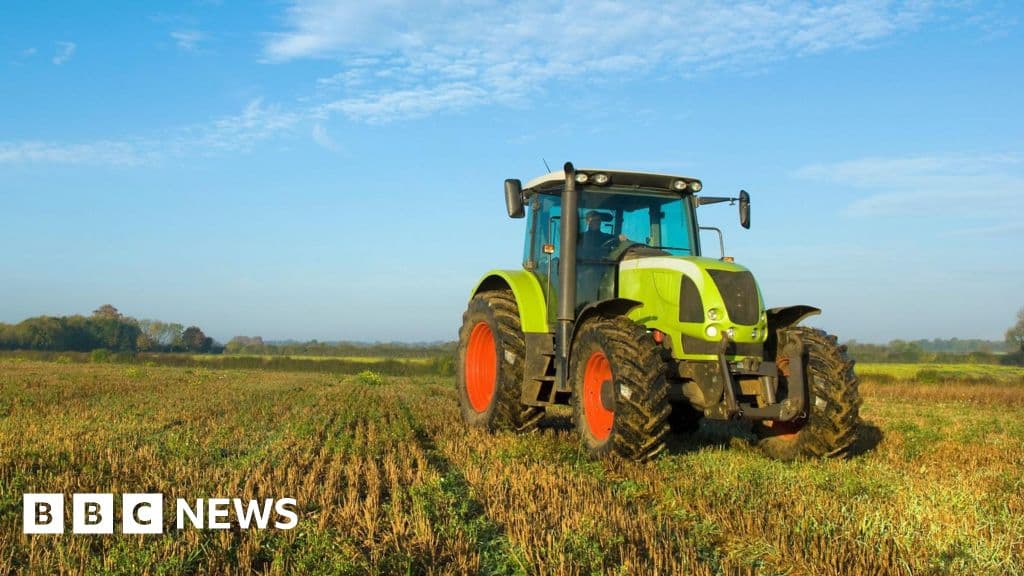
In a growing movement, campaigners are urging the UK government to prohibit the use of glyphosate, a popular herbicide, as a pre-harvest drying agent for crops. This push comes amid rising concerns regarding the potential health risks associated with glyphosate, particularly its possible links to cancer and other serious health conditions. With the current license for glyphosate set to expire in December 2026, the timing of this campaign coincides with a forthcoming consultation by the Health and Safety Executive (HSE) regarding the future of glyphosate usage in the UK.
Glyphosate, which has been a staple in the agricultural sector since its introduction by Monsanto in the 1970s, is commonly used to dry crops just days before harvest. This practice, while beneficial for some farmers who argue it facilitates a more efficient harvest, raises significant concerns about chemical residues in everyday food products like bread, breakfast cereals, and beer.
The Soil Association, a prominent organic farming organization, has taken a stand against this practice, echoing sentiments shared by several health advocates. They argue that glyphosate residues can pose a risk to human health, particularly in light of some scientific studies suggesting a link between glyphosate and various illnesses, including cancer. In fact, the World Health Organization's International Agency for Research on Cancer classified glyphosate as

Shocking findings from Nottingham's maternity unit reveal a toxic culture and alarming neglect. What can be done to improve care? Discover the details.
BBC Health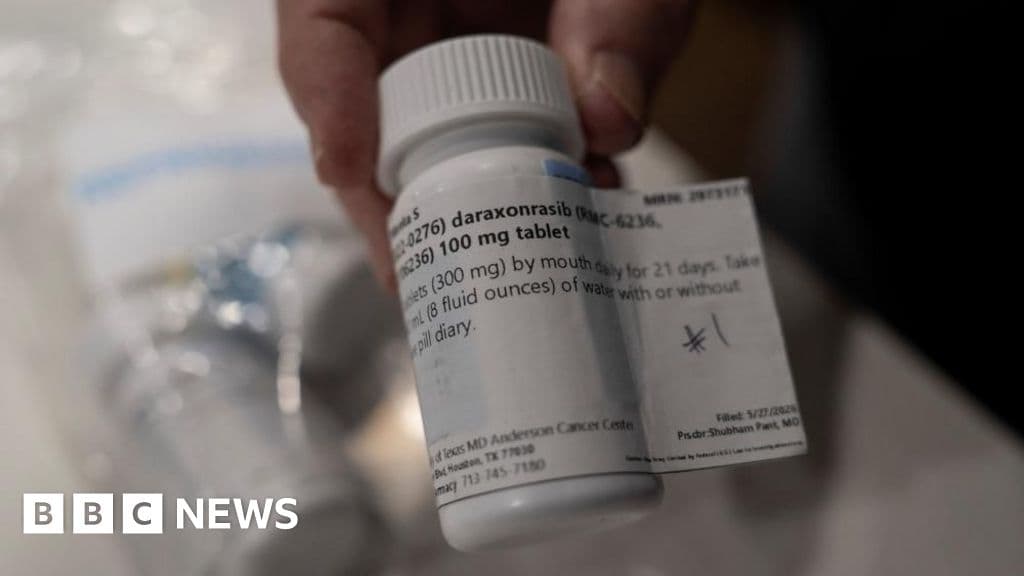
Discover how daraxonrasib, a new pill, is nearly doubling survival rates for pancreatic cancer patients, offering hope in a challenging battle against this deadly disease.
BBC Health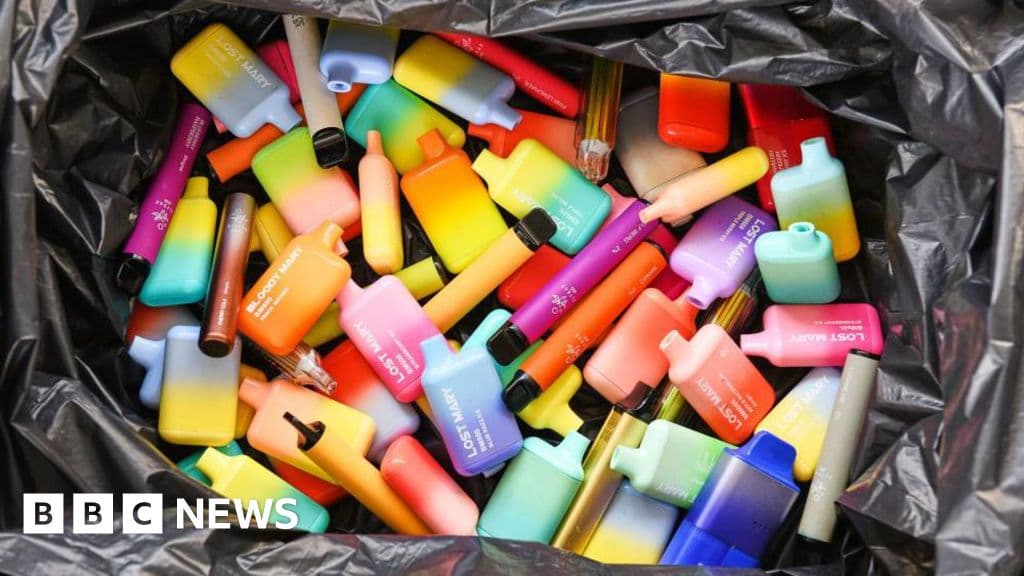
Waste companies propose a £5 deposit on vapes to encourage proper disposal and curb littering as the environmental impact of vapes increases.
BBC Business