
Image: BBC Business
British Steel faces a critical juncture as calls for nationalization grow. Will the government act before summer to secure its future?
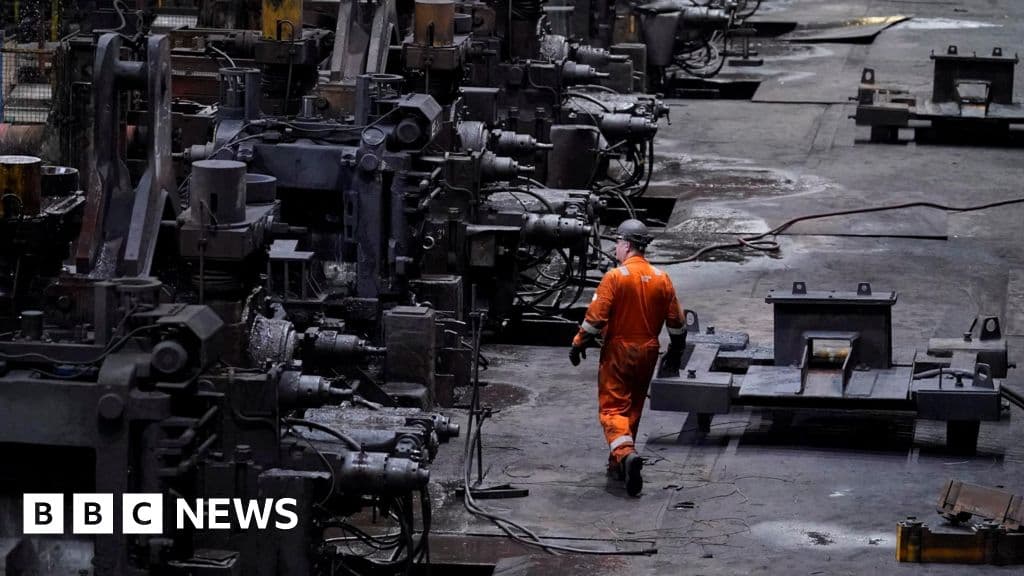
GlipzoBritish Steel is at a critical crossroads, with calls for nationalization growing louder as discussions between its Chinese owner, Jingye, and the UK government drag on. Nic Dakin, a Labour MP representing Scunthorpe, has emphasized that the steel giant must be brought into public ownership by summer if a resolution is not reached. This urgency reflects a year-long struggle over the future of a pivotal industry that employs over 2,700 workers at the Scunthorpe plant alone.
In an interview with the BBC, Dakin stated that nationalization is "the best outcome" for British Steel, enabling it to secure vital investments as negotiations with Jingye continue. The UK government intervened in April 2025 to manage the Scunthorpe facility, taking control to prevent the closure of the last two remaining blast furnaces, a move that underscores the national significance of steel production.
The uncertainty surrounding British Steel's future has left both employees and the local economy in a precarious position. Steelworker Thomas Smith, who also serves as branch secretary for the Community Union, expressed frustration over the stagnant situation. "We're a year on now. We're not really any further and we all want to know what's next," he remarked, highlighting the anxiety that has permeated the workforce.
Smith has voiced support for nationalization, suggesting it would provide much-needed security for workers. He remarked, "I think the whole nation realizes that we need the steel industry. We all know that we're the best in the world at making steel and we know they believe in us."
Dakin further underscored the importance of securing UK steel production as a matter of national security, particularly in light of current geopolitical tensions. He criticized the existing arrangement, where the government oversees operations while Jingye retains ownership, labeling it as unsustainable.
The financial implications of British Steel's uncertain status are significant. According to the National Audit Office, the operation is costing the government approximately £1.3 million daily. Dakin stressed the urgency of finalizing a long-term strategy, stating, "We need the owner and the controller to be the same entity so we can sort out a business plan and have the investment into the business."
He believes that with the right approach, British Steel can not only recover but also become profitable, ultimately benefiting both the business and taxpayers. The industry's recovery is viewed as essential for the UK economy, especially as it plays a crucial role in infrastructure projects and manufacturing.
Chris McDonald, the industry minister from the Department for Energy Security and Net Zero, has affirmed the government's commitment to finding a resolution regarding British Steel's ownership. "No decision's been made on whether to nationalize the company," he stated, emphasizing that a favorable agreement with Jingye would be the most expedient and cost-effective solution.
While British Steel has recently secured significant contracts, including a project to build a railway in Turkey and a £500 million deal to manufacture tracks for Network Rail, industry analysts caution that these achievements may not suffice to ensure the company’s long-term viability. Jonathon Carruthers-Green, a steel analyst, noted that while these contracts represent progress, investors are seeking sustained growth rather than sporadic successes.
As discussions unfold, the future of British Steel remains uncertain. The industry faces considerable pressure not only from financial challenges but also from the need to adapt to an evolving market landscape. The call for nationalization reflects a broader concern regarding the stability of the UK's steel manufacturing sector in a time of economic volatility.
Looking ahead, the next few months will be pivotal in determining British Steel's fate. Stakeholders will be closely monitoring the outcomes of the ongoing negotiations with Jingye, as well as the government's decision-making process regarding potential nationalization. What happens next could set a precedent for how the UK manages critical industries in distress.
As the summer deadline approaches, it’s crucial for all parties involved to prioritize a resolution that supports the workforce, the local economy, and the future of steel production in the UK. The stakes are high, and the pressure is mounting – will British Steel find a sustainable path forward, or will nationalization become the only viable option?
In the coming weeks, expect to see intensified discussions, potential agreements, and perhaps even a shift in the ownership structure of this vital industry. The outcome will not only affect the employees of British Steel but also resonate throughout the entire UK manufacturing landscape.
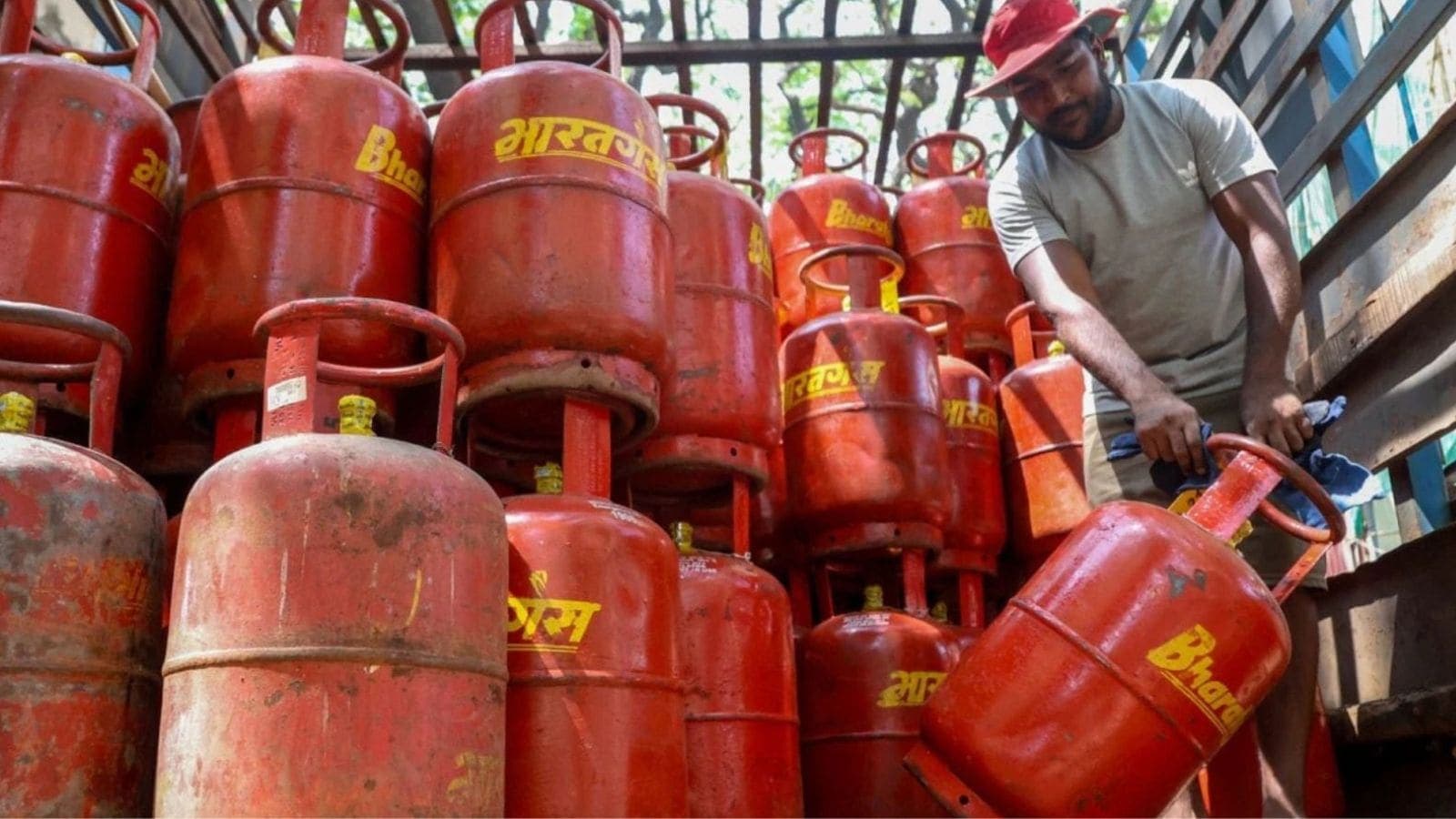
Commercial LPG prices have risen again, with increases of ₹42 in Delhi and ₹53.50 in Kolkata impacting businesses and consumers alike. Find out more.
Indian Express
Discover how a tragic coal mine explosion in Shanxi, China, reveals ongoing safety concerns in the industry amidst a push for green energy.
BBC Business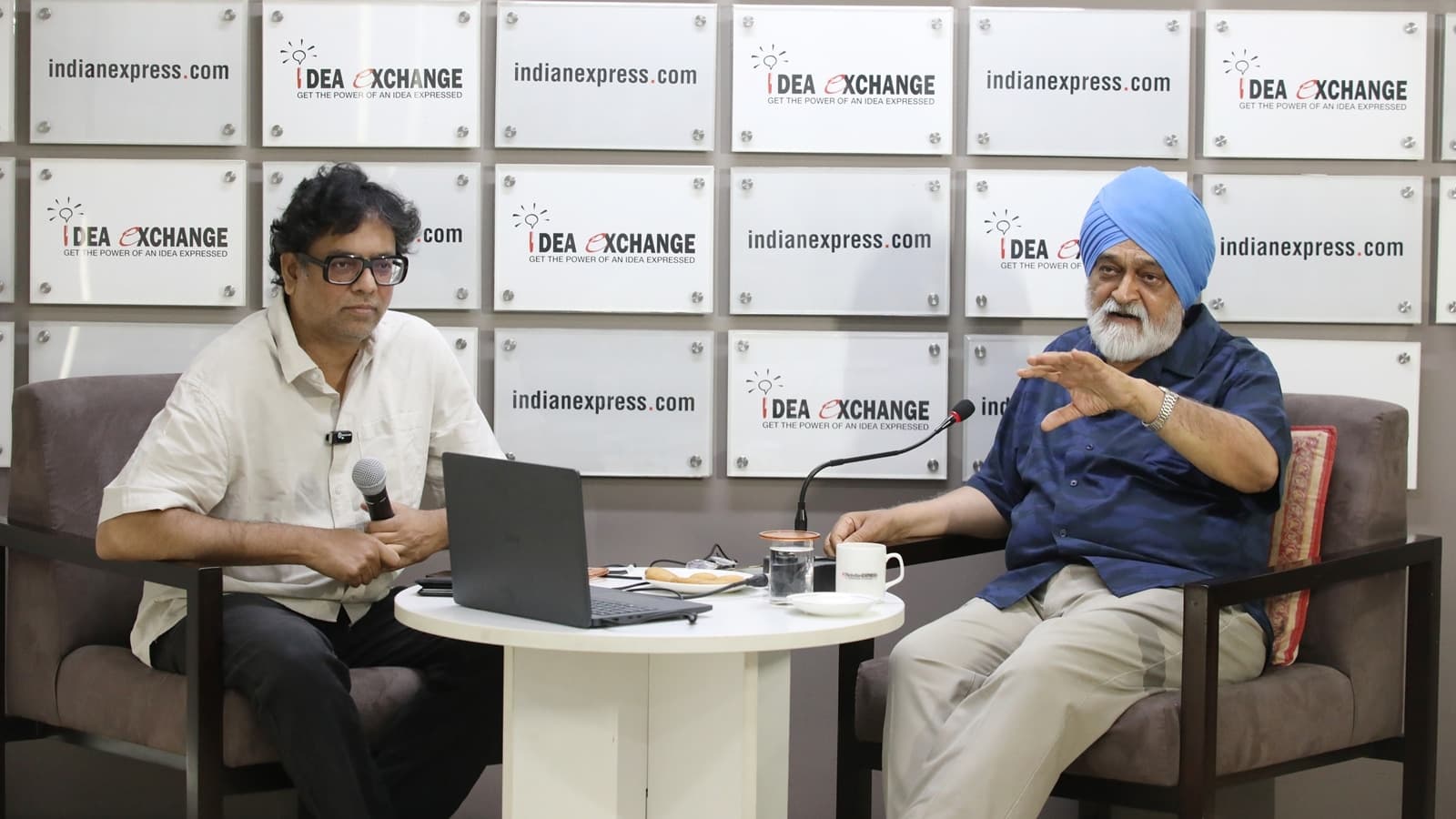
Montek Singh Ahluwalia highlights key economic challenges for India, emphasizing the need for a strategic approach to balance payments and investment.
Indian Express