
Image: BBC Health
Women rally for lobular breast cancer funding as research lags behind. Discover the critical need for awareness and support in this underfunded area.
GlipzoSilent protests have recently emerged as women rally for greater financial support for research into lobular breast cancer. This lesser-known form of breast cancer, which affects 15% of all breast cancer patients, has long been overshadowed by ductal breast cancer, the more prevalent type that often receives more attention and funding.
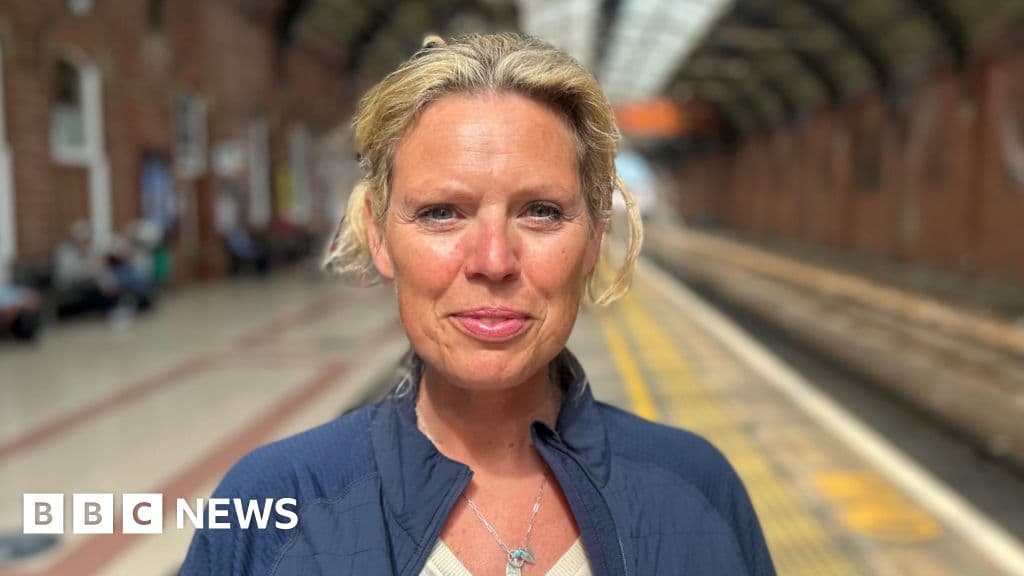
Among those leading the charge is Katie Swinburne, a 50-year-old woman from Barnard Castle in County Durham, who was diagnosed with lobular breast cancer in 2023. When faced with her diagnosis, Katie underwent a treatment regimen designed for ductal breast cancer, which is the norm in medical practice due to the lack of awareness surrounding lobular cancer.
Katie shared her experience, stating, "I had never even heard of lobular breast cancer before my diagnosis. My mammogram showed no abnormalities, and I only noticed a subtle change in my breast. It wasn’t until I underwent an ultrasound and biopsy that I learned the shocking truth."
The Lobular Moon Shot Project, a research group dedicated to advancing the understanding of lobular breast cancer, is advocating for £20 million in government funding. They argue that the disease has been critically underfunded and under-researched for decades, despite its unique characteristics that make it different from ductal breast cancer.
A government representative indicated that they had recently met with members of the Lobular Moon Shot Project and expressed their commitment to supporting research that could significantly improve patient outcomes.
Despite these encouraging words, campaigners like Katie and fellow advocate Melissa Robinson remain concerned about the pace of progress. Melissa, who was also diagnosed with lobular breast cancer in 2023, emphasized the stark reality of their situation. "I was fortunate to detect a lump, but the news was still devastating. I initially thought it was just a cyst, so to be told I had breast cancer was a heart-wrenching shock."
In a show of solidarity, 22 women participated in simultaneous vigils outside prominent locations such as Downing Street, the Department of Science, Innovation and Technology, and the Department of Health and Social Care. The number of participants symbolized the 22 women diagnosed with lobular breast cancer each day in the UK, raising awareness about this often-overlooked condition.
During the vigils, the women gathered to sing “You’ll Never Walk Alone,” a poignant tribute to the project’s founder, Dr. Susan Michaelis. Katie expressed the emotional toll of fighting for proper treatment while managing the rigors of chemotherapy and radiation therapy. "It’s exhausting to have to advocate so fiercely for treatment that should be readily available for your specific condition."
Both Katie and Melissa emphasize the importance of these vigils, not just for their own experiences but for future generations. "It's crucial to give back and help others who may face similar battles in the future," Melissa remarked.
As they continue their advocacy, they hope to shift the narrative around lobular breast cancer, making it a recognized and prioritized area within breast cancer research. The government’s pledge to support research efforts is a step in the right direction, but many believe it is just the beginning.
A government spokesperson reiterated the commitment to improving detection and treatment outcomes for lobular breast cancer patients. They cited the national cancer plan, which aims to integrate the latest scientific advancements into the NHS, thereby enhancing early diagnosis and treatment methodologies.
The lack of funding and research into lobular breast cancer is not just a personal issue for those diagnosed; it reflects a broader systemic failure in recognizing and addressing the unique challenges posed by different breast cancer types. With over 55,000 new breast cancer cases diagnosed each year in the UK, it is imperative that all forms of this disease receive adequate attention and resources.
Moving forward, the Lobular Moon Shot Project and advocates like Katie and Melissa are determined to keep the pressure on government entities and health organizations. Their fight is centered around ensuring that future patients receive the specialized care and research attention they deserve.
As the situation develops, stakeholders are urged to keep an eye on how funding discussions unfold and whether the government will take definitive steps towards funding the £20 million initiative. The implications of this funding could not only transform the lives of current patients but also set a precedent for how lesser-known diseases are treated in the healthcare system.
In conclusion, the journey for lobular breast cancer advocacy is ongoing, with women like Katie and Melissa leading the charge for change. Their resilience and determination highlight the critical need for awareness and funding in the fight against all forms of breast cancer.

Shocking findings from Nottingham's maternity unit reveal a toxic culture and alarming neglect. What can be done to improve care? Discover the details.
BBC Health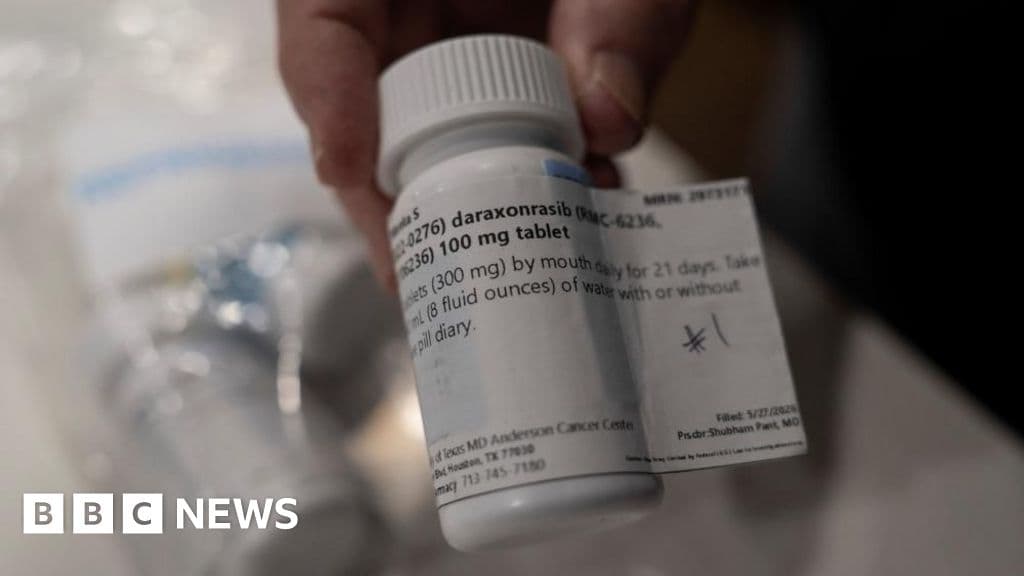
Discover how daraxonrasib, a new pill, is nearly doubling survival rates for pancreatic cancer patients, offering hope in a challenging battle against this deadly disease.
BBC Health
Waste companies propose a £5 deposit on vapes to encourage proper disposal and curb littering as the environmental impact of vapes increases.
BBC Business