
Image: Science Daily
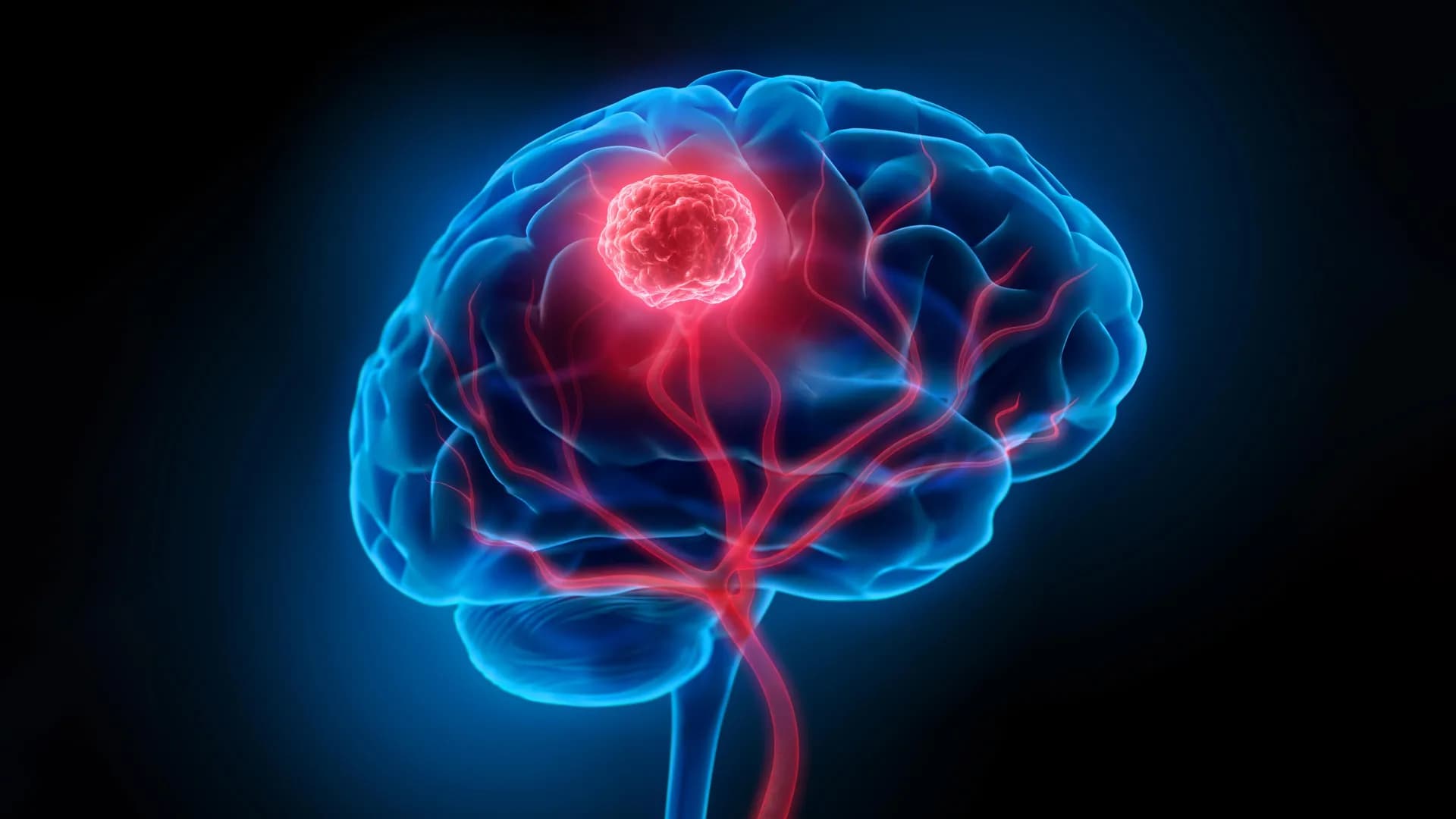
A groundbreaking therapy using an engineered virus shows promise in enhancing immune response against glioblastoma, potentially revolutionizing treatment for this aggressive cancer.
GlipzoIn a groundbreaking study, scientists at Mass General Brigham and Dana-Farber Cancer Institute have unveiled a novel therapy that utilizes an oncolytic virus to enhance the immune response against glioblastoma, the most prevalent and aggressive form of primary brain cancer. Published in the scientific journal Cell, this research highlights how a single administration of the engineered virus can effectively recruit immune cells deep into the tumor, fostering a more robust immune attack on the cancerous cells.
The urgent need for effective treatments for glioblastoma has become even more critical as traditional therapies have largely failed to improve patient outcomes. According to Dr. Kai Wucherpfennig, co-senior author and chair of the Department of Cancer Immunology and Virology at Dana-Farber, glioblastoma is notoriously known as a 'cold' tumor. This means it suffers from insufficient infiltration by immune cells that are vital for fighting cancer. Dr. Wucherpfennig explains, "Patients with glioblastoma have not benefited from immunotherapies that have transformed patient care in other cancer types, such as melanoma, due to its cold-tumor nature. Our findings demonstrate that it is now feasible to bring these critical immune cells into glioblastoma."
The innovative therapy employs a modified version of the herpes simplex virus, designed specifically to replicate within glioblastoma cells while sparing healthy tissue. Spearheaded by Dr. E. Antonio Chiocca, Executive Director of the Center for Tumors of the Nervous System, this oncolytic virus not only annihilates tumor cells but also triggers the immune system to respond more vigorously.
During a Phase 1 clinical trial involving 41 patients suffering from recurrent glioblastoma, the results were promising. Patients receiving treatment with the engineered virus experienced extended survival compared to historical data, with the most significant benefits observed in those who had pre-existing antibodies against the virus. This is a pivotal finding, as it suggests that pre-existing immunity may enhance treatment efficacy.
To delve deeper into the underlying mechanisms of this therapy, researchers analyzed tumor samples from participants in the clinical trial. They discovered that the treatment induced a sustained presence of cytotoxic T cells within the tumors. Notably, patients whose T cells were in close proximity to dying tumor cells experienced longer survival following treatment.
Moreover, the therapy significantly increased the quantity of existing T cells in the brain, indicating a bolstering of the body's inherent immune defenses rather than solely relying on newly recruited immune activity. Dr. Chiocca emphasized, "We show that increased infiltration of T cells that are attacking tumor cells translates into a therapeutic benefit for patients with glioblastoma. Our findings could have important implications for a cancer whose standard of care hasn't changed for 20 years."
The implications of this study are profound, providing a potentially transformative approach to treating a cancer that has remained resistant to advancements in immunotherapy for two decades. The research team, including co-authors Maxime Meylan, Ye Tian, and others, are hopeful that this breakthrough could pave the way for new standards in glioblastoma treatment.
As the landscape of cancer treatment evolves, the introduction of oncolytic virus therapies may represent a significant step forward in not just treating glioblastoma but also in understanding the complex interactions between cancer and the immune system.
Looking forward, the next steps include further clinical trials to assess the long-term efficacy and safety of this oncolytic virus therapy. Researchers are also interested in exploring how this treatment could be combined with existing therapies to create a more comprehensive approach to glioblastoma management. As the medical community continues to seek innovative solutions for one of cancer's most challenging foes, this study shines a light on the potential of harnessing viral therapy to enhance immune responses and improve patient survival rates.

Shocking findings from Nottingham's maternity unit reveal a toxic culture and alarming neglect. What can be done to improve care? Discover the details.
BBC Health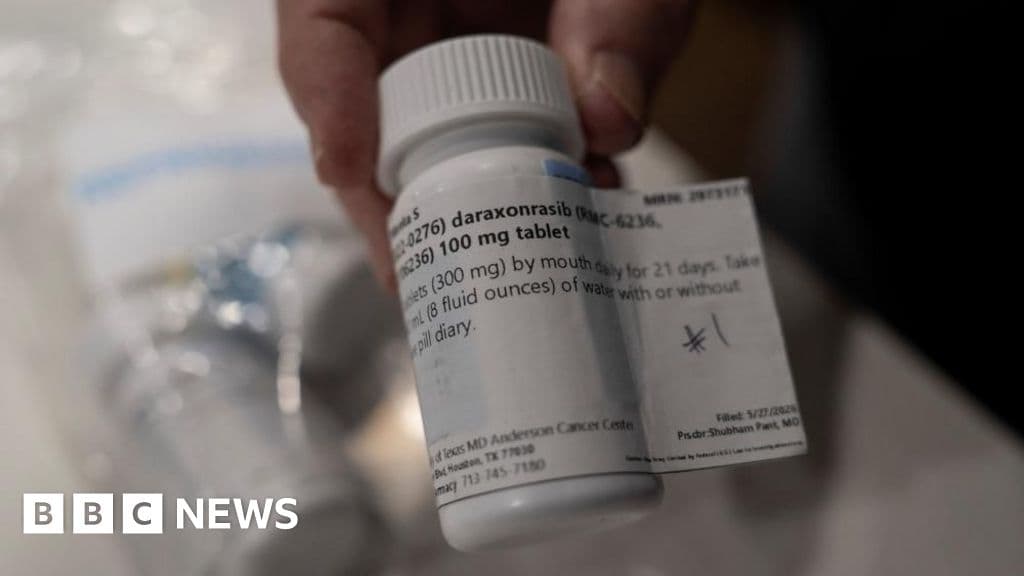
Discover how daraxonrasib, a new pill, is nearly doubling survival rates for pancreatic cancer patients, offering hope in a challenging battle against this deadly disease.
BBC Health
Waste companies propose a £5 deposit on vapes to encourage proper disposal and curb littering as the environmental impact of vapes increases.
BBC Business