
Image: BBC Health
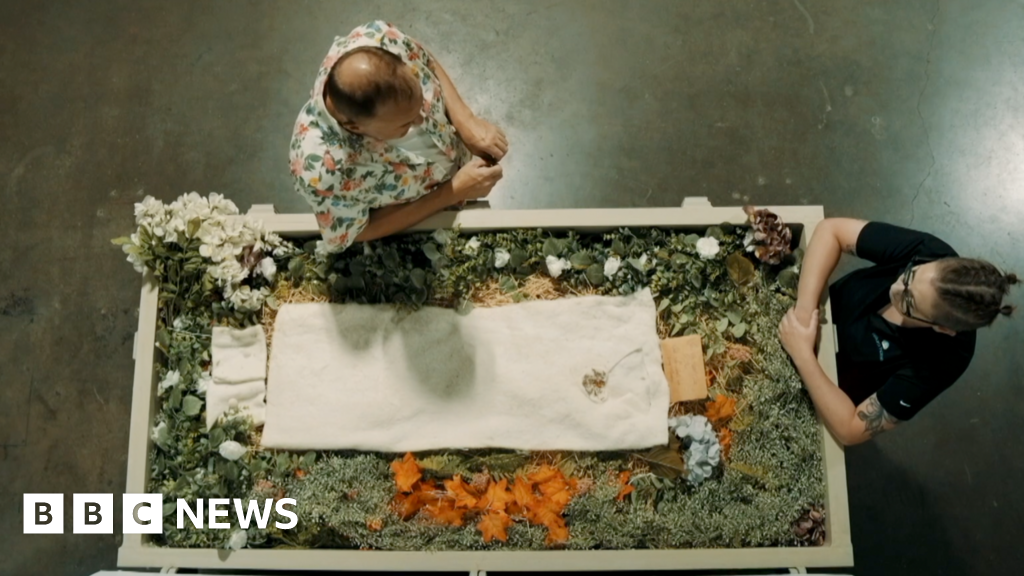
Discover how Kristoffer Hughes aims to introduce human composting in the UK as an eco-friendly alternative to traditional burial and cremation.
GlipzoIn a groundbreaking move for the United Kingdom, Kristoffer Hughes, a dedicated campaigner with over 30 years of experience in mortuary services, is striving to introduce the country's first human composting service. This innovative alternative to traditional burial and cremation aims to provide a sustainable and eco-friendly option for those who seek a meaningful way to honor their loved ones after death. Hughes's initiative comes amid increasing interest in environmentally conscious funeral practices, particularly as the UK government prepares to review the legal framework surrounding these methods.
Human composting, also referred to as terramation, involves placing the body of the deceased in a sealed vessel filled with organic materials. Over several weeks, the body decomposes and transforms into nutrient-rich soil. While this practice is illegal in the UK at present, a consultation by the Law Commission is expected to be released soon, potentially paving the way for its legalization.
Hughes, who is also a well-known broadcaster and author, recently returned from a trip to Washington state, where human composting is already legally practiced. His visit to Return Home, the world's largest human composting facility, profoundly impacted his understanding of end-of-life care. "I genuinely didn't think there was anything left to surprise me in the death service world," he remarked, reflecting on his experience. The facility uses a mixture of alfalfa, straw, and wood chips to aid the composting process, ultimately leaving behind fertile soil that families can use to grow plants in memory of their loved ones.
During his visit, Hughes took an immersive approach by lying in one of the composting vessels himself. He described the experience as "being immersed in summer," surrounded by pleasant scents and natural materials. This transformative moment reinforced his belief that human composting is not merely a method of disposal; it is a natural, honest, and hopeful transition.
Hughes's passion for terramation is rooted in historical precedents. He draws inspiration from Dr. William Price, a self-proclaimed druid who fought for the right to cremate his deceased infant son in the 19th century—a trial that ultimately led to the legalization of cremation in the UK. Hughes sees parallels between Price's groundbreaking efforts and his own ambition to introduce terramation as a viable option for modern funerary practices. "[Price] was always an inspiration to me as a death service professional, but also as a druid," Hughes explained. "So when I came across terramation, I was like 'wow - do you know what, it could be a druid in the 21st Century that actually brings another facet of end-of-life and death care into being.'"
To make his vision a reality, Hughes has teamed up with Chris Cooper-Hayes, a landscaping professional who shares his passion for sustainable practices. Together, they founded Eterrna, an organization committed to establishing the first human composting service in the UK. Their recent training at Return Home marks a significant step towards achieving this ambitious goal. However, they face substantial challenges ahead, primarily the legal status of terramation in the UK.
The Law Commission's upcoming report will be pivotal in determining the future of human composting in the region. Following a year-long consultation examining various alternative funerary methods—including the recently legalized water cremation in Scotland—the report will provide recommendations that could reshape the legal landscape for innovative funeral practices. A representative from the Ministry of Justice stated, "We are aware of the growing interest in alternative funerary methods and we will respond to the Law Commission's report in due course."
As society becomes increasingly aware of environmental issues, the demand for sustainable funeral options has surged. Traditional methods of burial and cremation contribute to land use and carbon emissions, making terramation an appealing alternative for eco-conscious individuals and families. Hughes’s campaign reflects a broader shift towards more natural and meaningful ways to commemorate lives, resonating with those who value environmental stewardship.
The potential legalization of human composting may also spark a wider conversation about death and dying in the UK, encouraging individuals to rethink their choices and preferences regarding end-of-life care. As Hughes emphasizes, the journey of death need not be solely about loss; it can also be about transformation and renewal.
As the UK government prepares to publish the Law Commission's findings, all eyes are on the potential for change in funerary practices. If human composting is legalized, it could mark a significant milestone in how society approaches death and remembrance. Hughes and Cooper-Hayes are eager to see their vision realized, emphasizing the need for community support and awareness around this innovative practice.
In the coming months, stakeholders, legislators, and the public will need to engage in discussions about the implications of introducing human composting to the UK. Advocates like Hughes are ready to lead the charge, ensuring that this option becomes a viable choice for future generations.
By championing human composting, Hughes aims to not only honor the deceased but also contribute positively to the environment, making a statement that resonates with many in today’s increasingly eco-conscious world.
Whether the UK will embrace this transformative approach to end-of-life care remains to be seen, but the conversation has certainly begun, and the possibilities are endless.
Shocking findings from Nottingham's maternity unit reveal a toxic culture and alarming neglect. What can be done to improve care? Discover the details.
BBC Health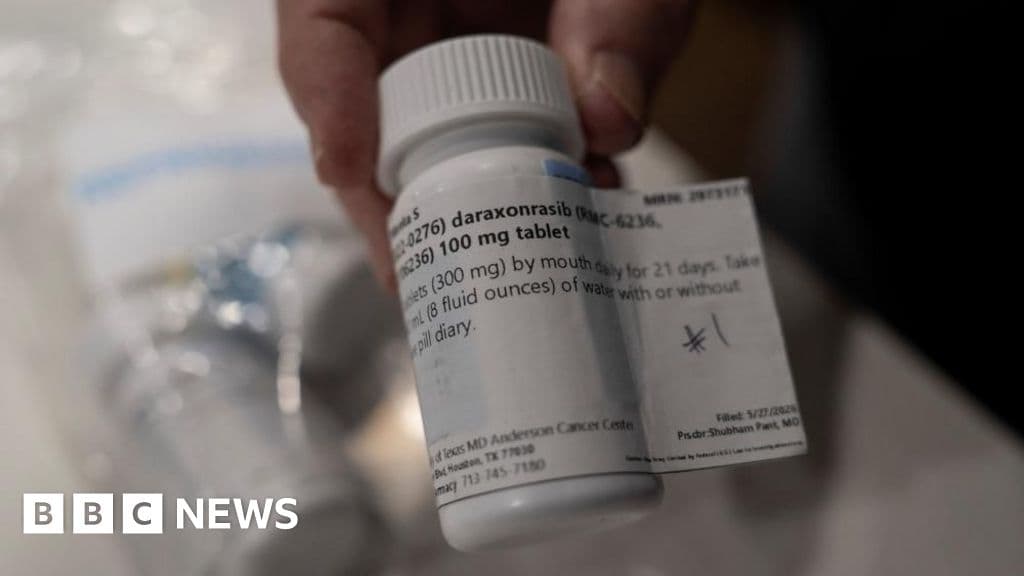
Discover how daraxonrasib, a new pill, is nearly doubling survival rates for pancreatic cancer patients, offering hope in a challenging battle against this deadly disease.
BBC Health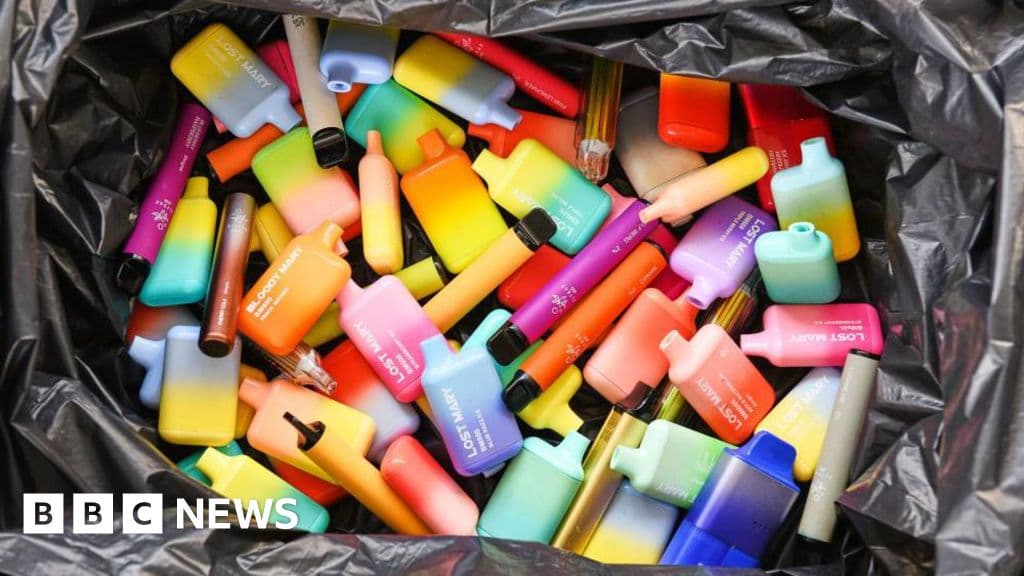
Waste companies propose a £5 deposit on vapes to encourage proper disposal and curb littering as the environmental impact of vapes increases.
BBC Business