
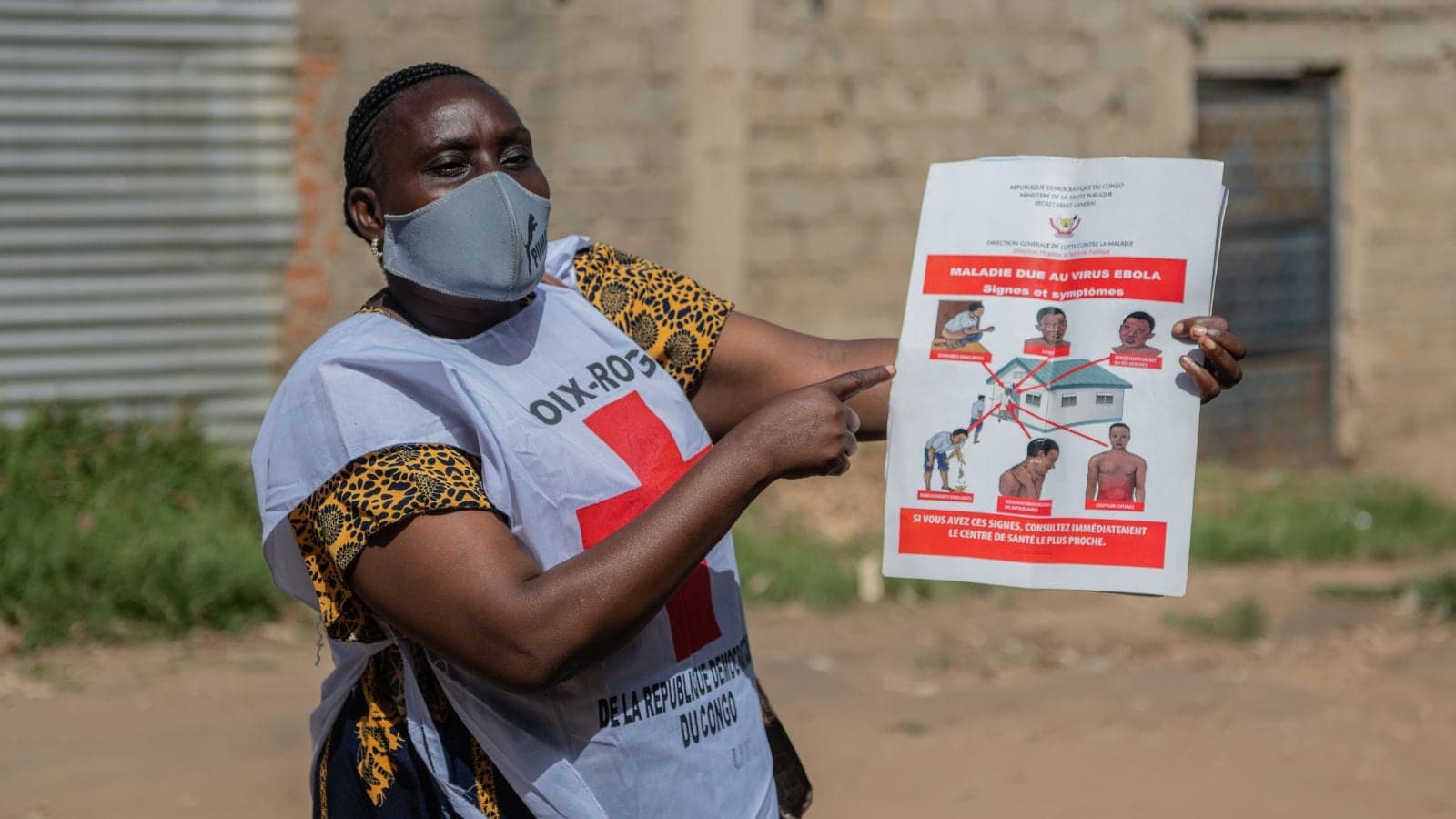
Image: Indian Express
Russia claims to have developed a new Ebola vaccine targeting outbreaks, promising protection against the rare Bundibugyo strain. What does this mean for global health?
GlipzoIn a significant announcement, Russian scientists claim to have developed a new vaccine targeting a recently identified strain of Ebola. This development comes at a crucial time, as outbreaks of the virus continue to pose serious threats in various regions, particularly in the Democratic Republic of the Congo (DRC). Russian Health Minister Mikhail Murashko shared the news, highlighting the vaccine's potential to also provide protection against the rare Bundibugyo strain, which has been linked to outbreaks in Central Africa.
The announcement was made via a post from the Russian Embassy in South Africa on social media platform X. The embassy's statement read: “Russian scientists have developed a vaccine against a new #Ebola strain, Health Minister #Murashko announced. According to the Russian scientists, the vaccine may also protect against the rare Bundibugyo strain linked to the outbreak in the #DRC.” This declaration has sparked interest and concern globally, as the world grapples with the implications of such a breakthrough.
The urgency of this announcement is underscored by the recent declaration from the World Health Organization (WHO). On May 17, 2026, the WHO categorized the ongoing Ebola outbreaks in the DRC and Uganda as a Public Health Emergency of International Concern (PHEIC). This designation signifies the severity of the situation, prompting a global response to curb the spread of the virus.
Additionally, the Africa Centres for Disease Control and Prevention has classified the current Bundibugyo outbreak as a Public Health Emergency of Continental Security (PHECS), emphasizing the critical need for preventive measures and effective vaccines. Countries bordering the DRC, such as South Sudan, have been identified as high-risk zones for disease transmission, amplifying the urgency for immediate action.
In response to the escalating threat, the WHO's IHR Emergency Committee issued recommendations on May 22, 2026, aimed at enhancing disease surveillance. These recommendations include: - Strengthening monitoring at points of entry to ensure early detection of any unexplained febrile illnesses. - Encouraging travelers to avoid affected regions to minimize the risk of further outbreaks.
Ebola is classified as a viral hemorrhagic fever, and is notorious for its high mortality rates. The Bundibugyo strain, in particular, has been a source of intense concern due to the lack of approved vaccines or specific treatments designed to combat it. This context makes the news of a potential vaccine even more critical.
The announcement of the new Ebola vaccine by Russian scientists presents a potential turning point in the fight against this deadly disease. While details about the vaccine's efficacy and distribution are still emerging, its development signifies a proactive approach to addressing the threat posed by the Bundibugyo strain and other related strains of the virus.
Key points regarding the vaccine's significance include: - Potential for Broader Protection: The vaccine's ability to target multiple strains could provide a robust tool in public health arsenals. - Global Health Implications: With Ebola outbreaks impacting several African nations, effective vaccines could help mitigate the risk of regional and global spread. - Call for International Collaboration: The urgency of the current outbreaks underscores the need for coordinated international efforts in vaccine deployment and disease management.
As the world monitors the situation, several factors will be crucial in the coming months: - Vaccine Trials and Approval: Observers will be keen to learn about the vaccine's clinical trials, including efficacy and safety data, which will be necessary for gaining international approval. - Global Distribution Plans: How Russia plans to share this vaccine with affected countries will be vital, especially in light of the WHO's classifications. - Continued Surveillance and Research: Ongoing research into Ebola and its strains will be essential to stay ahead of potential outbreaks and enhance public health responses.
In conclusion, the development of a vaccine targeting the Bundibugyo strain of Ebola represents a hopeful advancement in the ongoing battle against this formidable virus. As countries rally together to combat the outbreak, the global community will be watching closely for updates on the vaccine's progression and its potential impact on public health initiatives worldwide.
The emergence of a vaccine for Ebola's Bundibugyo strain could revolutionize global health responses to viral outbreaks, saving countless lives and preventing future pandemics. As nations grapple with the ramifications of health emergencies, innovations like this vaccine are vital for securing a safer future for everyone.

Shocking findings from Nottingham's maternity unit reveal a toxic culture and alarming neglect. What can be done to improve care? Discover the details.
BBC Health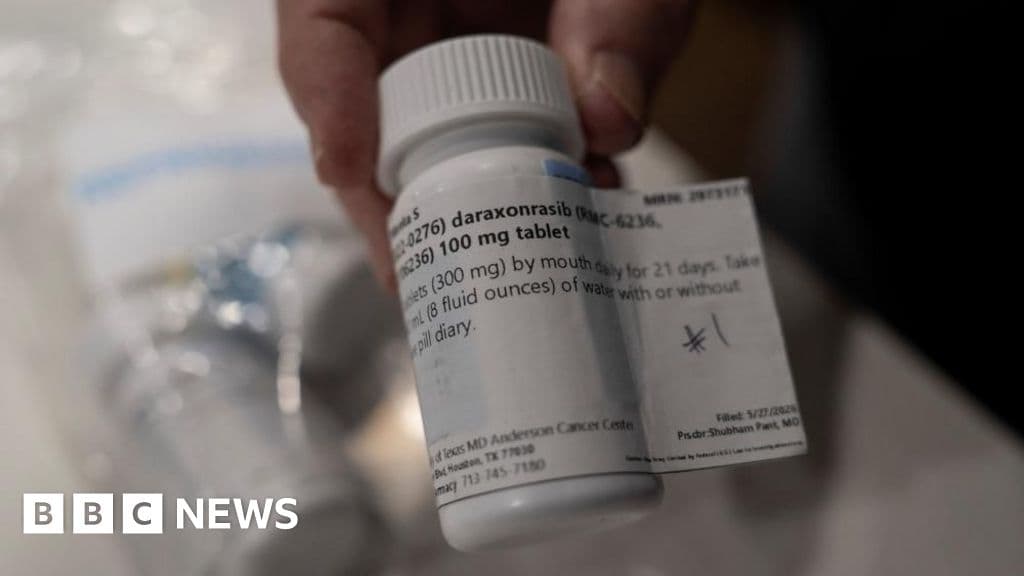
Discover how daraxonrasib, a new pill, is nearly doubling survival rates for pancreatic cancer patients, offering hope in a challenging battle against this deadly disease.
BBC Health
Waste companies propose a £5 deposit on vapes to encourage proper disposal and curb littering as the environmental impact of vapes increases.
BBC Business