
Image: BBC Business
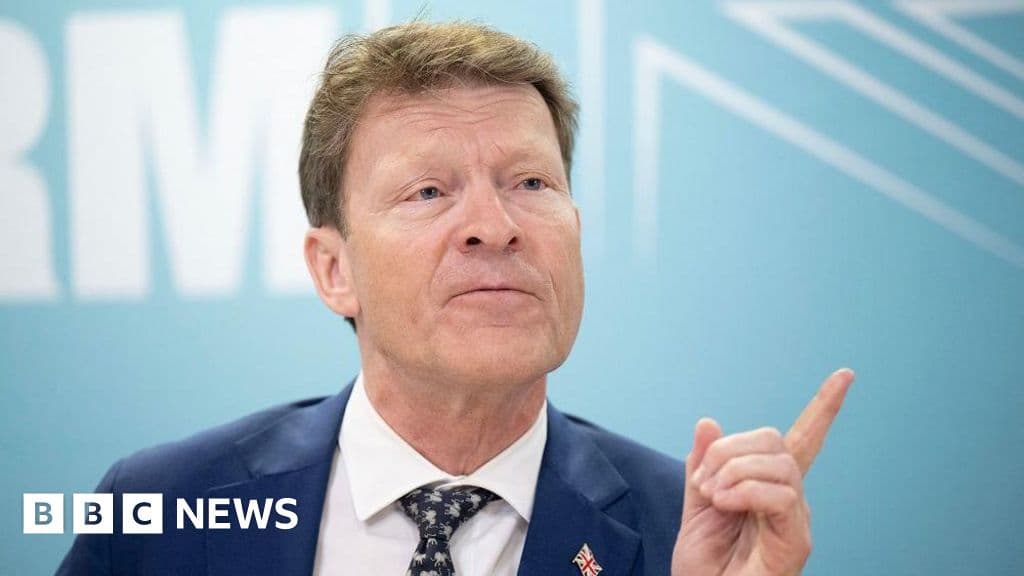
Richard Tice's £91,000 tax row raises questions about integrity and corporate ethics, as calls for accountability grow in the political arena.
GlipzoA recent controversy surrounding Richard Tice, the deputy leader of Reform UK, has sparked significant debate following claims that his property company failed to pay £91,000 in tax before distributing dividends. The situation has been characterized by Tice's party as a mere administrative error, but critics argue it raises serious questions about his integrity.
According to a report by the Sunday Times, Tice's company, Quidnet REIT Limited, neglected to pay a mandated 20% levy on dividends before profits were funneled to Tice and his offshore trust, which is registered in Jersey. This revelation has not only drawn public scrutiny but also prompted Labour to label it a major scandal.
Tice has downplayed the issue, referring to it as a technicality and reassuring that HM Revenue and Customs (HMRC) ultimately received the correct tax amount owed. In his defense, he stated, “Overall HMRC received the correct amount of tax due,” suggesting that any underpayment by his company was compensated by higher income tax contributions from himself.
The Labour Party has been vocal about this tax row, asserting that it directly challenges Tice's credibility. A Labour spokesperson emphasized, “This is a major scandal which goes to the heart of Richard Tice's integrity and credibility. Reform cannot ignore it.” They demand a thorough explanation of whether Tice's business adhered to tax laws and fulfilled its financial obligations.
In addition to Labour's criticism, Liberal Democrats leader Sir Ed Davey has called for Tice's resignation, labeling the situation as “morally completely indefensible.” He took to social media to voice his concerns, stating that Nigel Farage, the party leader, should terminate Tice’s position immediately.
A spokesperson from HMRC commented on the situation by stating, “We neither confirm nor deny investigations and we cannot comment on identifiable individuals.” This lack of clarity from the tax authority leaves the public curious about whether any formal examination of Tice's tax affairs is underway.
In a recent press conference, Tice defended his company's practices, asserting that Quidnet REIT Ltd is “a UK company paying UK tax in accordance with UK laws.” He argued that there is no obligation for individuals or companies to pay the maximum tax possible, suggesting that most people would not voluntarily choose to pay more than legally required.
The controversy surrounding Richard Tice is more than just a personal issue; it reflects broader themes in the UK regarding tax responsibility and corporate ethics. The discussions ignited by this incident could influence public sentiment about tax fairness and corporate obligations, especially in a time when economic disparity is a hot topic.
Key questions arise: Should companies be held to stricter tax standards? What implications does this have for individuals and businesses operating in the UK? The answers could shape future legislation and public policy debates.
As the situation develops, it will be crucial to watch how both Tice and Reform UK respond to the mounting pressure. With Labour seeking to escalate the matter to HMRC for investigation, the potential for further scrutiny looms large. Tice's future as a party leader may hinge on his ability to convincingly address these allegations and restore trust in his financial dealings.
The political landscape may also shift depending on how the public perceives this controversy. With calls for greater accountability, this incident could spark a larger conversation about corporate tax practices and ethical standards in the UK.
In summary, the unfolding tax row involving Richard Tice is not just a minor administrative error; it has significant implications for public trust and corporate governance in the UK, forcing both politicians and citizens to reevaluate their views on tax responsibility.
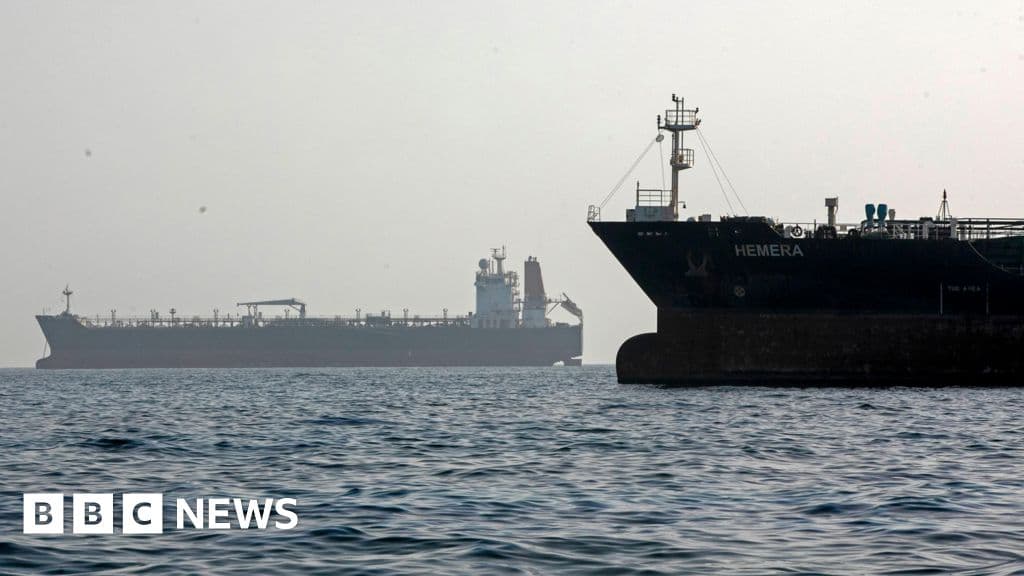
Tensions soar as the US and Iran engage in air strikes near the Strait of Hormuz, raising concerns over global oil supply and regional stability.
BBC World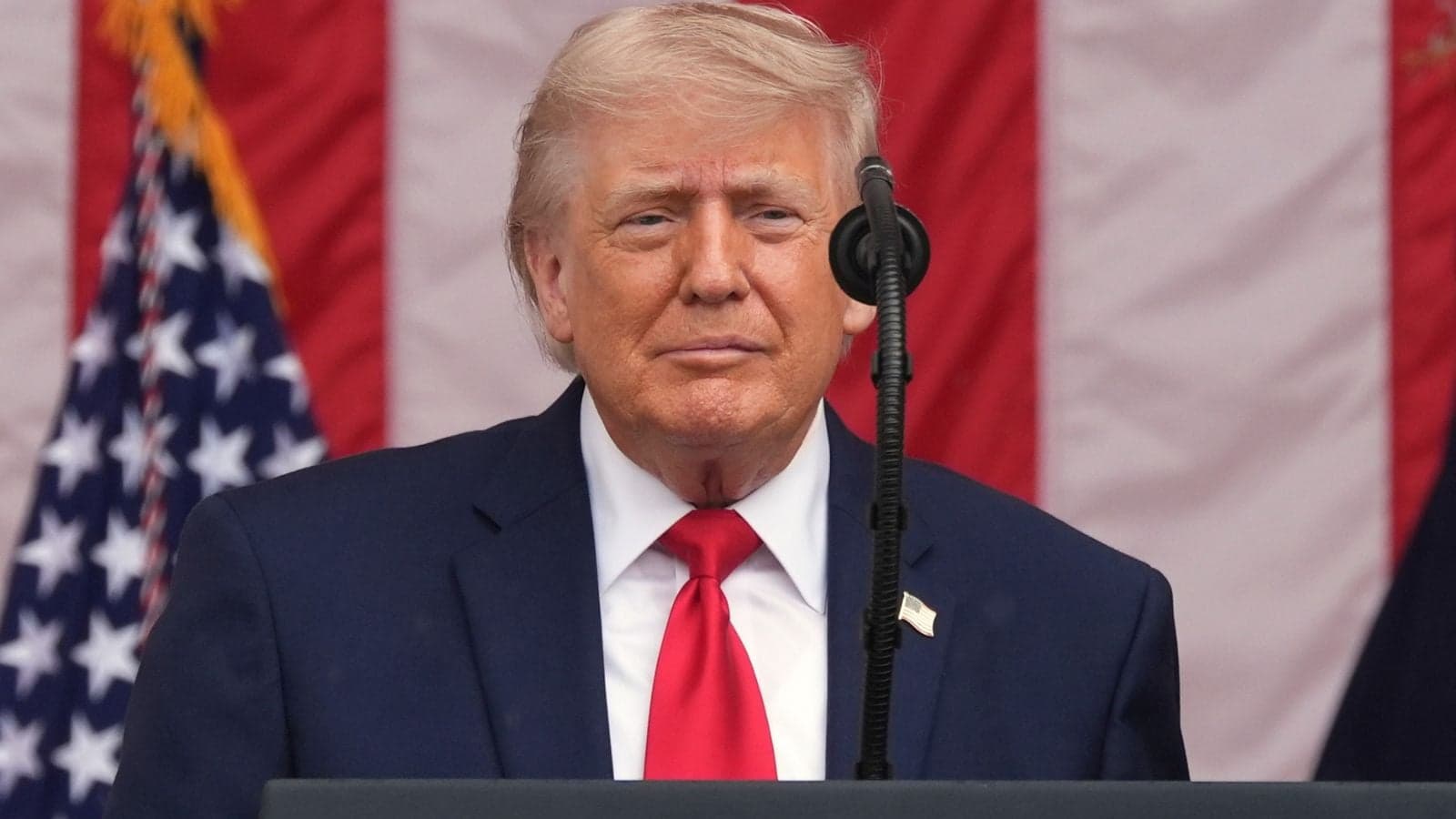
Trump's international interventions face serious stalemates. What will this mean for U.S. foreign policy? Explore the critical challenges ahead.
Indian Express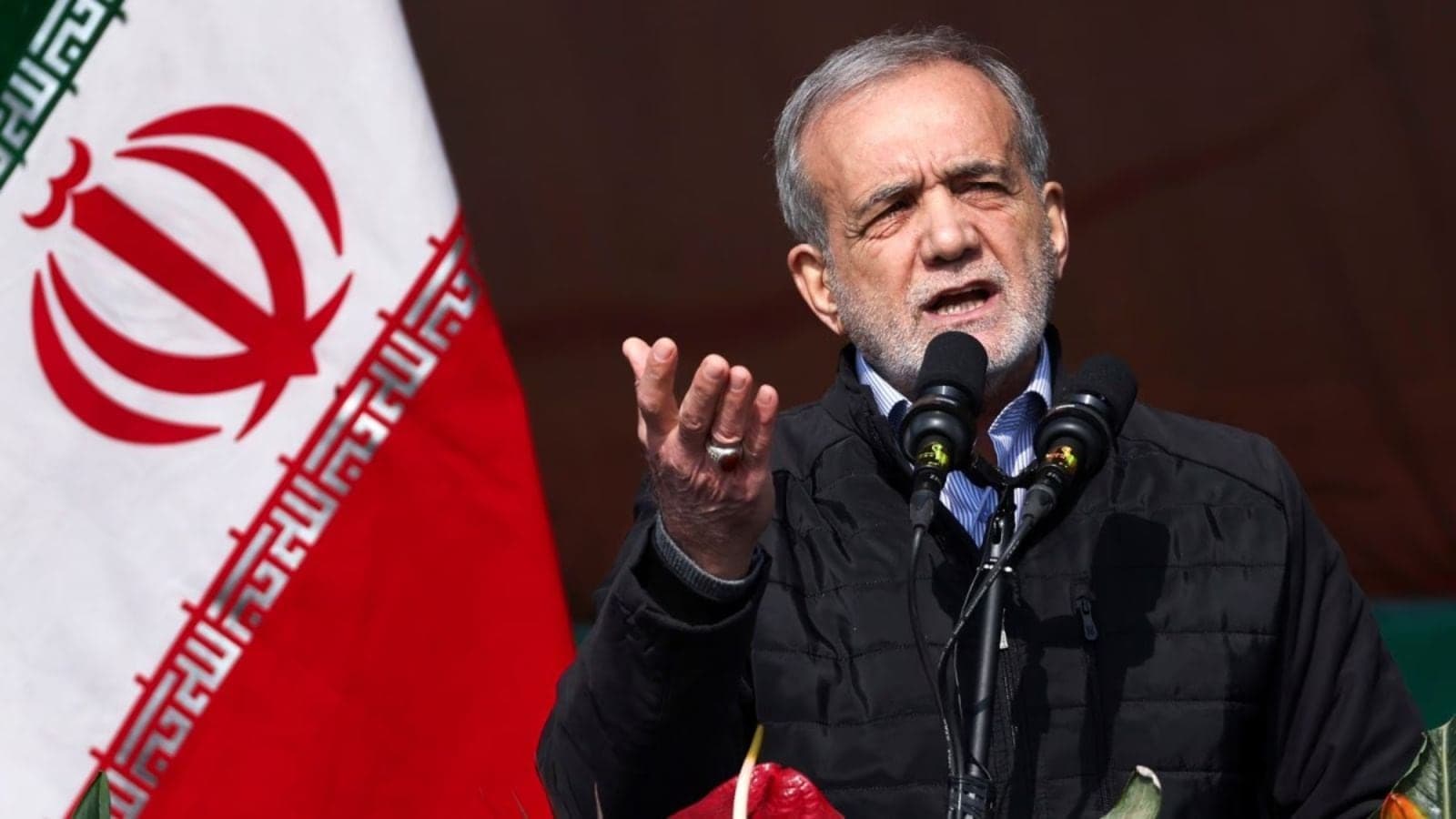
Tehran denies resignation of President Masoud Pezeshkian amid claims of IRGC influence. What does this mean for Iran's political stability? Click to learn more!
Indian Express