
Image: BBC Health
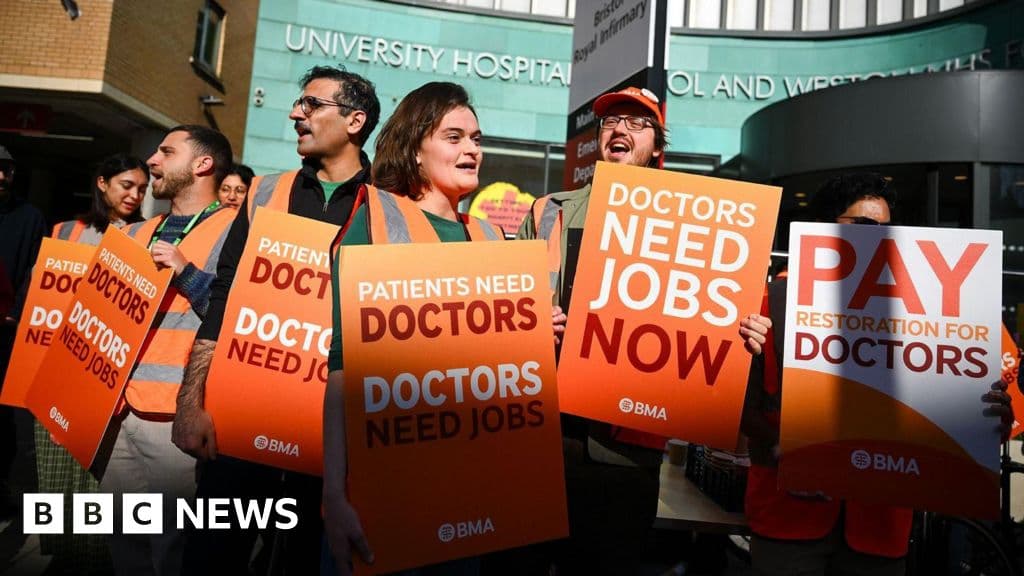
Resident doctors in England are set to strike again from June 15-19 over unresolved pay disputes, highlighting ongoing tensions within the NHS.
GlipzoResident doctors in England are gearing up for their 16th strike, set to commence at 7:00 AM BST on Monday, June 15, and lasting until 6:59 AM on Friday, June 19. This latest walkout underscores the ongoing tension in the battle over pay and working conditions, which has persisted for several years.
The announcement of the strike follows a meeting between the British Medical Association (BMA) and newly appointed Health Secretary James Murray, who took over the position from Wes Streeting earlier this month. Sources reveal that during this meeting, Murray expressed his unwillingness to negotiate, deeming the BMA's financial requests as "unrealistic and unaffordable."
In recent years, resident doctors have seen pay increases totaling 33%, including a 3.5% raise this year. The starting salary for these doctors now exceeds £40,000, with senior residents earning up to £76,500. However, many argue that despite these increases, their pay has effectively decreased when adjusted for inflation, leaving them earning about 20% less than in 2008.
Dr. Jack Fletcher, the BMA's representative for resident doctors, shared his disappointment regarding the lack of progress. He stated, "We had hoped that a change in leadership at the Department of Health and Social Care would lead to a change in approach. Sadly, we have run up against the same unwillingness to move we encountered under Mr. Streeting."
Dr. Fletcher further criticized Murray's response, noting, "We cannot be asked to negotiate in good faith for weeks, only to be told there is nothing left to negotiate about on pay and no further details at this stage on jobs." This sentiment reflects a growing frustration among resident doctors, who feel their concerns are being dismissed.
In March, the government proposed a deal that aimed to address some of the BMA's concerns, including additional training positions and expedited career progression. However, this offer was rejected, leading to a six-day strike in April.
James Murray expressed his disappointment regarding the impending strike, labeling it as unnecessary. He reiterated, "I was clear with the BMA that after a 33.4% pay rise for resident doctors over the last four years—the highest across public sectors—further substantial pay increases this year are unrealistic, unaffordable, and unsustainable."
Matthew Hopkins, representing the NHS Alliance, criticized the strike as “rash and wholly irresponsible,” emphasizing the potential fallout for patient care. He cautioned that such actions could jeopardize recent improvements in the health service, particularly in reducing waiting lists and enhancing productivity.
The situation surrounding resident doctors in England is not just a labor dispute; it encapsulates broader issues within the NHS and the healthcare system. As doctors continue to express their dissatisfaction with pay and working conditions, the strikes could have significant implications for patient care and the future of the health service.
The ongoing strikes highlight the challenges facing the NHS as it attempts to balance budget constraints with the need to provide adequate healthcare services. The government’s stance against further negotiations may lead to prolonged unrest, affecting both healthcare providers and patients alike.
As resident doctors prepare for their upcoming strike, all eyes will be on the government's next steps. Will there be any attempt at negotiation, or will the standoff continue? Observers will be keen to see whether the government will reconsider its position in light of public opinion and the potential repercussions for patient care.
The situation also raises questions about the long-term sustainability of the NHS. With rising inflation and financial pressures, the government may need to find innovative solutions to address the concerns of healthcare workers while maintaining quality service.
In conclusion, the unfolding drama between resident doctors and the government will be crucial to watch in the coming weeks. The implications of this ongoing dispute will affect not only the doctors involved but the entire healthcare landscape in England, making it a pivotal moment in the history of the NHS.

Shocking findings from Nottingham's maternity unit reveal a toxic culture and alarming neglect. What can be done to improve care? Discover the details.
BBC Health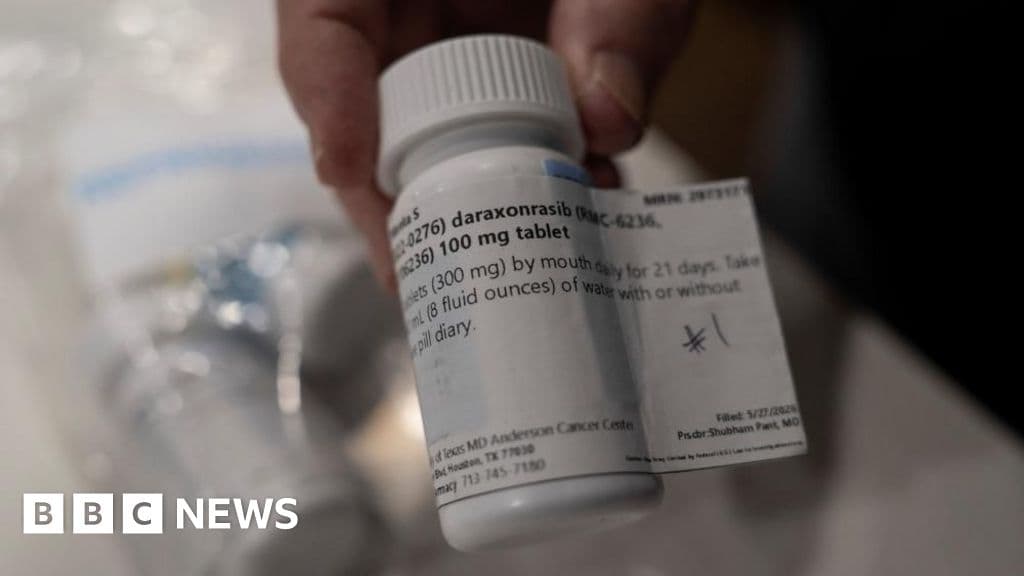
Discover how daraxonrasib, a new pill, is nearly doubling survival rates for pancreatic cancer patients, offering hope in a challenging battle against this deadly disease.
BBC Health
Waste companies propose a £5 deposit on vapes to encourage proper disposal and curb littering as the environmental impact of vapes increases.
BBC Business