
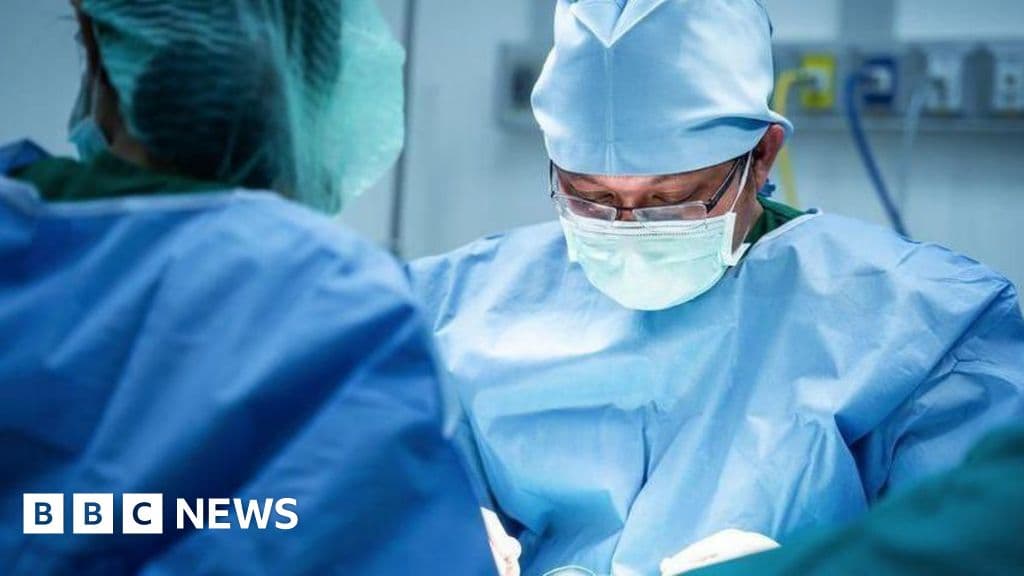
Image: BBC Health
The NHS has met its interim target for hospital waiting times, but challenges remain as leadership changes loom and systemic issues persist.
GlipzoIn a significant development for the National Health Service, the UK government has successfully achieved its interim goal of treating 65% of patients within 18 weeks by March 2026. This milestone, which narrowly reached 65.3%, marks a crucial step towards the ambitious target of 92% by the end of the current parliamentary session in 2029. The announcement came just as Wes Streeting announced his resignation as Health Secretary, citing a loss of confidence in Prime Minister Rishi Sunak and the need for a leadership challenge.
Streeting, who took office amid a backdrop of rising waiting lists, expressed pride in the NHS's progress, noting that performance was below 59% when the Labour Party came to power. He stated, “It means we are right on track to deliver the fastest reduction in waiting times in the history of the NHS. That is thanks to the government's investment, modernisation, and the remarkable efforts of staff right across the country. Lots done, lots more to do.”
While the national target was met, the improvement was not uniform across all hospital trusts. Alarmingly, four in ten trusts failed to meet their individual targets, and ten saw a deterioration in performance. This discrepancy highlights the ongoing challenges faced by the NHS. Despite the overall waiting list decreasing slightly from 7.2 million to 7.1 million—the lowest number in three and a half years—more work is needed to ensure consistent progress.
Sir Jim Mackey, the Chief Executive of NHS England, referred to this achievement as a “huge moment.” He emphasized that the progress represents more than just statistics, showcasing real advancements that benefit patients and communities. This optimism comes despite the challenges posed by ongoing strike actions by resident doctors, which have strained NHS resources.
Despite the positive news, healthcare experts are voicing concerns about the sustainability of this progress. Tim Mitchell, representing the Royal College of Surgeons of England, warned that while staff are working diligently, their efforts are hampered by long-standing under-investment in infrastructure. He stated, “Too many teams are still working in ageing buildings with too few theatres and beds. Without addressing these constraints, progress for patients already waiting will remain fragile.”
Sarah Woolnough, Chief Executive of the King's Fund, echoed these concerns, pointing out that the interim target was only achieved after the government allocated additional funding earlier this year. She raised questions about the feasibility of maintaining such funding levels, stating, “It brings into question whether reaching the eventual 92% target by rinsing and repeating this sequence of 'elective sprints' is financially feasible or manageable for already stretched NHS staff.”
The focus on the 18-week target raises significant questions about other waiting lists, which continue to grow. Experts argue that the government’s narrow focus could mask broader issues affecting patient care. Woolnough emphasized the need for a more comprehensive approach to healthcare targets, suggesting that a singular focus on waiting times could compromise the quality and accessibility of care for many patients.
As the NHS navigates these challenges, the upcoming months will be crucial in determining whether the progress made can be sustained. With Wes Streeting's resignation and the call for new leadership, the government faces pressure to not only maintain momentum but also to address the systemic issues plaguing the NHS.
Looking forward, stakeholders will be closely monitoring the government's actions regarding healthcare funding and investments in infrastructure. The NHS stands at a crossroads, where the balance between achieving targets and addressing underlying issues will determine its future success. As the focus shifts toward the long-term goal of 92% treatment rates by 2029, experts will be watching for signs of how the government plans to tackle the challenges of aging facilities, workforce pressure, and patient care quality.
In conclusion, while the NHS has hit a key interim target, the journey to improve hospital waiting times is far from over. The next steps taken by government leaders and health officials will be critical in shaping the future of healthcare in the UK. Stakeholders must ensure that short-term successes do not overshadow the pressing needs of the healthcare system. The public and healthcare professionals alike will be keenly observing how these developments unfold in the coming months.

Shocking findings from Nottingham's maternity unit reveal a toxic culture and alarming neglect. What can be done to improve care? Discover the details.
BBC Health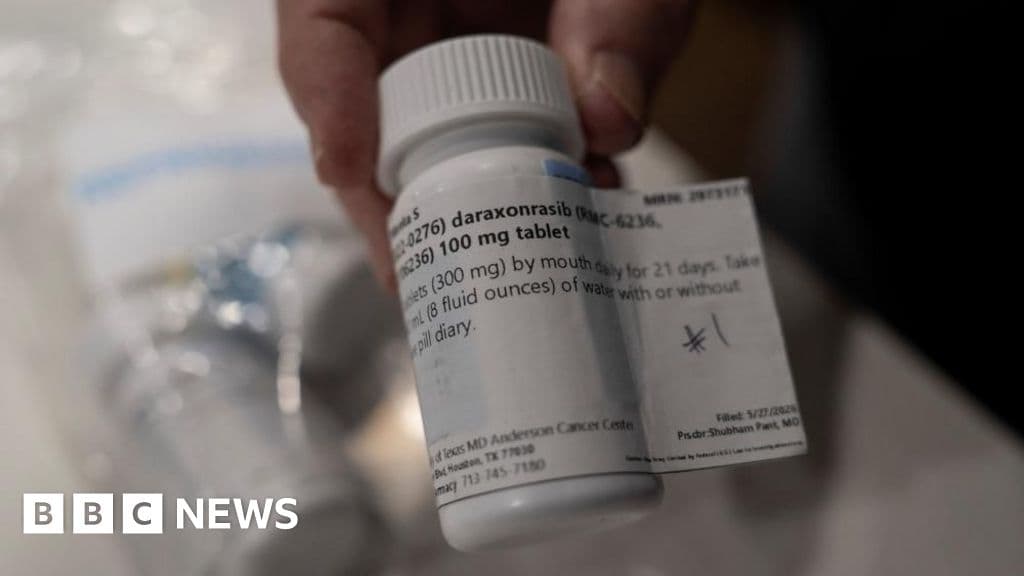
Discover how daraxonrasib, a new pill, is nearly doubling survival rates for pancreatic cancer patients, offering hope in a challenging battle against this deadly disease.
BBC Health
Waste companies propose a £5 deposit on vapes to encourage proper disposal and curb littering as the environmental impact of vapes increases.
BBC Business