
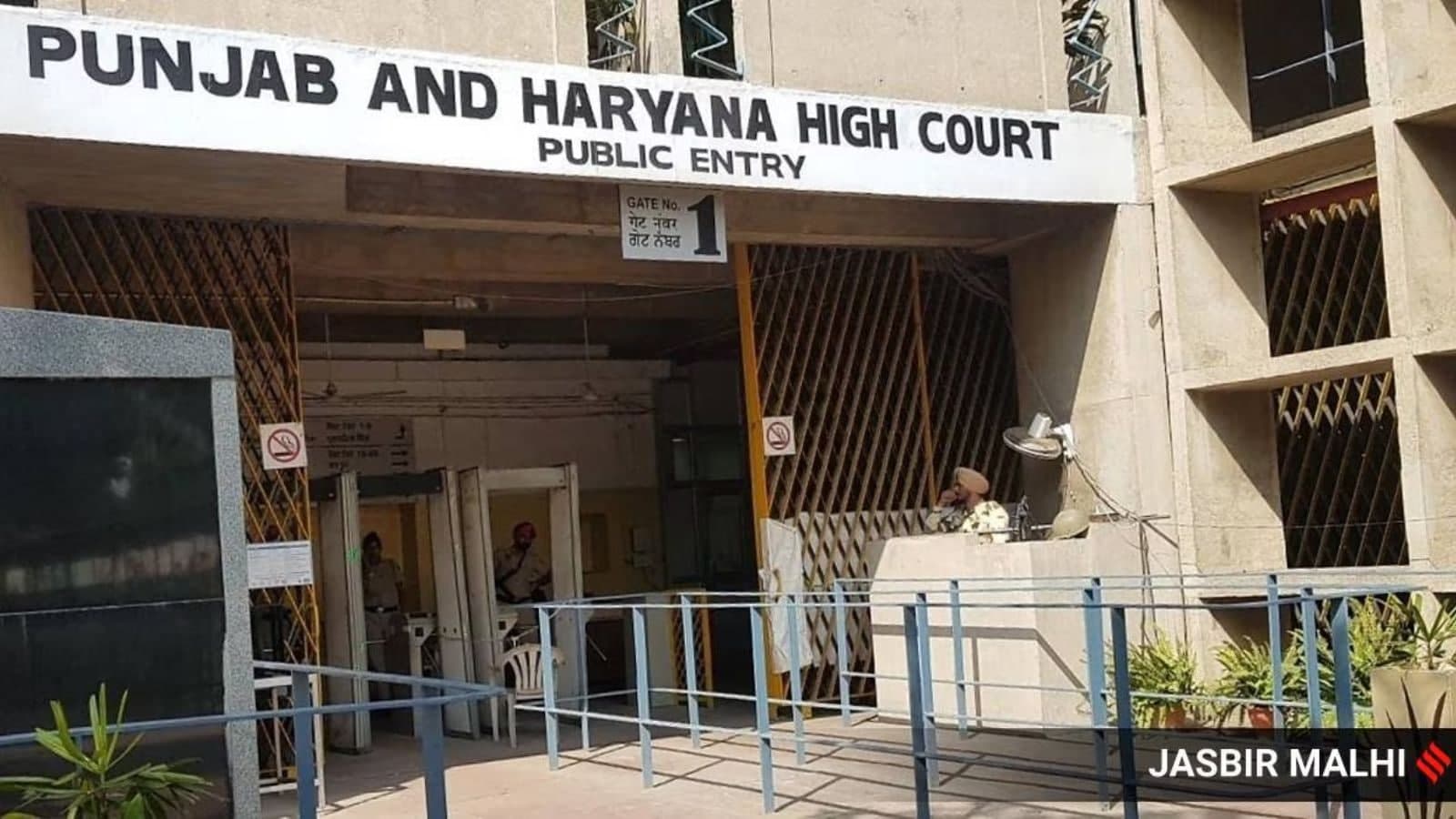
Image: Indian Express
A law student fights back against exam debarment due to medical issues. High Court intervenes, raising questions about student rights and university policies.
GlipzoIn a significant legal development, the Punjab and Haryana High Court has taken action regarding a 19-year-old law student, Akshambari Sharma, who has been barred from taking her second-semester exams due to alleged attendance issues linked to a medical condition. The court has issued a notice of motion to SVKM’s NMIMS University in Chandigarh, questioning the university's decision that could severely impact Sharma's academic future.
Akshambari, a first-year BA-LLB (Hons.) student, filed a petition claiming that her debarment is both arbitrary and a violation of her fundamental rights. The exams are set to begin on May 5, and the urgency of the situation has prompted the court to respond swiftly. The legal proceedings underscore crucial issues surrounding student welfare and institutional accountability.
According to the petition, Akshambari recorded a commendable CGPA of 7.80 in her first semester, held in December 2025. However, her academic journey took a turn on January 31, 2026, when she suffered a fracture to her fifth metatarsal, leading to a recommendation for bed rest from February 1 to March 20. The student insists she possesses medical documents to substantiate her claims, demonstrating that her attendance issues stemmed from genuine health concerns.
Despite her injury, Akshambari showed remarkable determination by attending college in a wheelchair to take part in mid-term exams, quizzes, and group discussions. Her plea highlights a meeting with the university principal in March, where she and her mother were assured that her medical condition would be taken into consideration, and she would be allowed to sit for her upcoming exams.
However, the situation took a turn for the worse when, on April 30, just days before her scheduled exams, the university notified her via email of her debarment. This decision was based on an order dated April 29, which cited attendance shortage as the primary reason. The abruptness of this communication has raised eyebrows, particularly given that it came only five days before the exams were due to commence.
Akshambari's petition argues that the timing of this decision is not only unjust but also a violation of her rights under Articles 14 and 21 of the Indian Constitution, which guarantee equality before the law and the right to life and personal liberty, respectively. She is seeking the court's intervention to quash the university's decision and allow her to participate in the exams, taking into account her medical circumstances.
During the court proceedings, Justice Tribhuvan Dahiya issued a notice of motion, indicating that the matter requires further examination. The case has been adjourned until May 4, which will determine whether Akshambari will be allowed to take her exams or if her academic career will suffer due to the university's policies.
This case highlights the broader issues of how educational institutions handle medical emergencies and attendance policies, raising questions about fairness and the rights of students facing health challenges. The court's eventual ruling could set a precedent for similar cases in the future, emphasizing the need for universities to adopt more compassionate and flexible policies regarding attendance for students with verifiable medical conditions.
The implications of this case extend beyond Akshambari Sharma; they resonate with many students who may find themselves in similar situations. Educational institutions are often governed by strict attendance policies, and this case raises critical questions about how these rules are enforced, particularly in light of students' health issues. The outcome could prompt universities to reconsider their protocols and adopt more accommodating measures for students facing genuine medical challenges.
As the date for the hearing approaches, observers will be keenly watching the court's decision, as it could lead to significant changes in how universities approach attendance policies and the treatment of students with health-related absences. The legal framework surrounding educational rights is evolving, and this case could serve as a pivotal moment in advocating for student welfare in academic settings.
As the May 4 hearing draws near, the legal community and students alike are paying close attention to the developments in this case. If the court rules in favor of Akshambari, it might encourage other students facing similar challenges to assert their rights and seek justice. Alternatively, a ruling against her could reinforce stringent attendance policies, impacting students who deal with health issues in the future. The outcome will not only influence Akshambari's education but may also shape the landscape of student rights and institutional responsibilities across the country.
In conclusion, the High Court’s involvement in this matter illustrates the ongoing struggle between institutional policies and individual rights, shedding light on the need for a more supportive framework for students navigating health challenges during their academic careers.
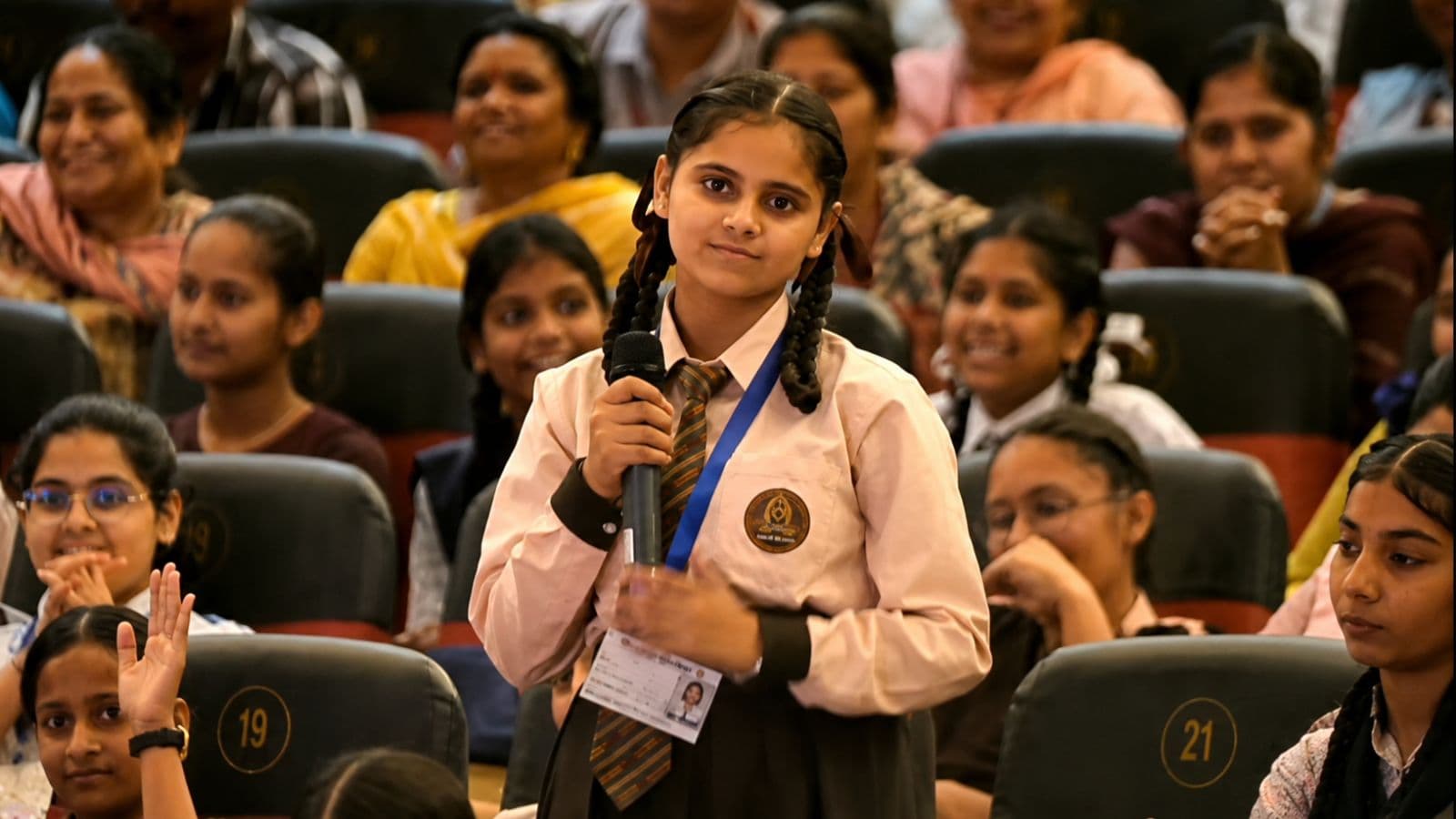
Amritsar student questions age-based ranking, prompting Punjab CM to reform PSEB policies. A significant change towards merit-based recognition is underway.
Indian Express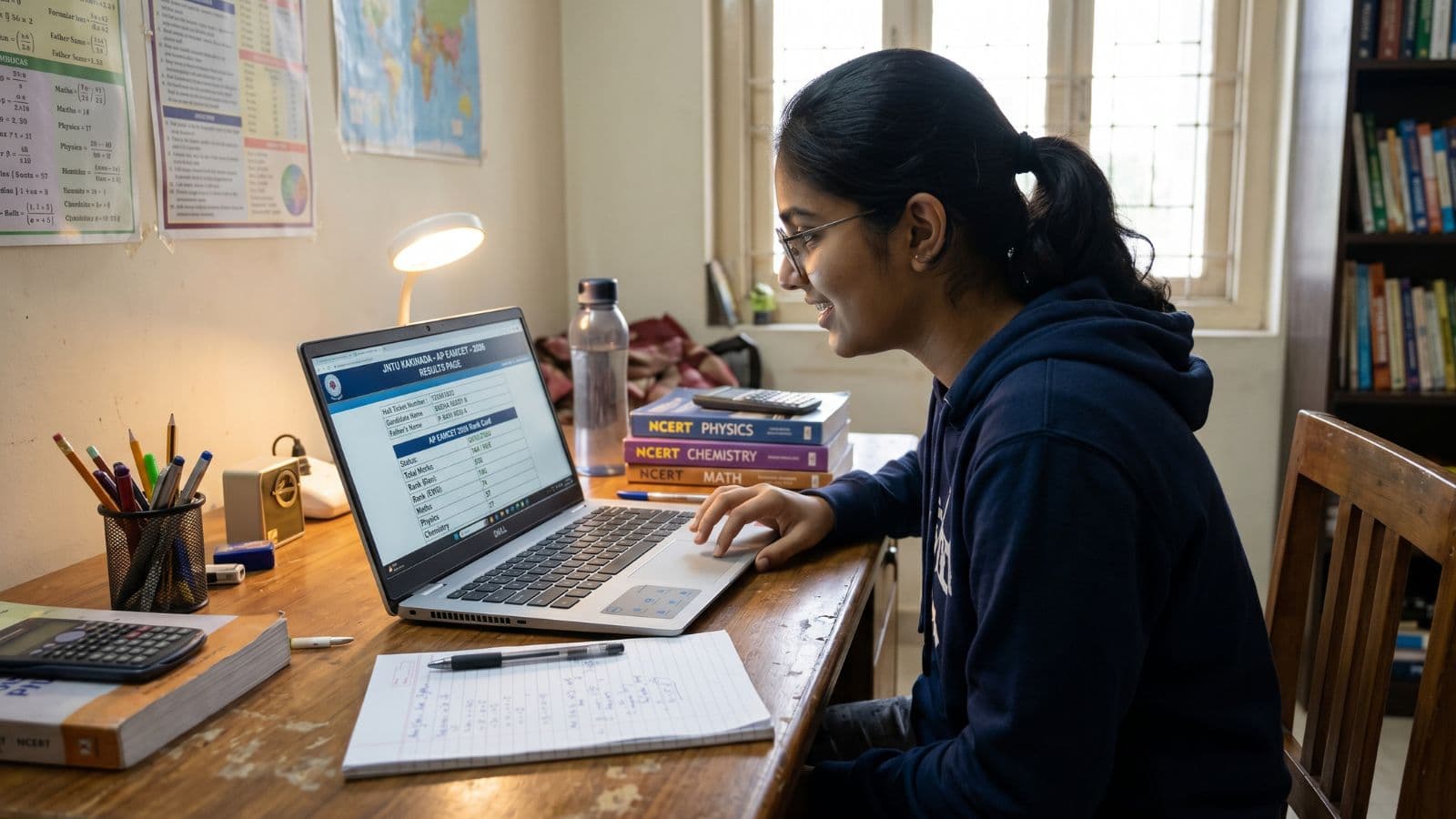
AP EAMCET 2026 results are out! Discover how to check your scorecard and navigate the upcoming counselling process for college admissions.
Indian Express
CBSE's new OSM system faces backlash as students struggle with re-evaluation. Will their futures be jeopardized by technical flaws?
Indian Express