

Image: Times of India
The IEA announces immediate release of strategic oil reserves in Asia-Oceania as tensions rise in Iran, impacting global oil prices and economic stability.
GlipzoIn a significant move that could reshape the global oil landscape, the International Energy Agency (IEA) has announced that it will begin releasing strategic oil reserves immediately in the Asia-Oceania region. This decision comes amid escalating tensions and uncertainties surrounding the global oil supply chain, primarily influenced by the ongoing crisis in Iran. The implications of this action are profound, affecting not just oil prices but also the broader economic stability in nations dependent on these energy resources.
The IEA’s announcement follows recent geopolitical developments that have created a precarious environment for oil supplies. With Iran facing sanctions and political unrest, the ripple effects have been felt in global markets, prompting the agency to act decisively. The release of these reserves aims to stabilize prices and ensure that markets have sufficient supply amid rising demand.
"Our goal is to alleviate the pressures on the market and provide some level of security for consumers and businesses alike," stated IEA Director Fatih Birol. This statement underscores the urgency of the situation and the agency’s proactive approach to manage potential shortages.
The immediate consequence of the IEA’s decision is anticipated to be a moderation in oil prices, which have been on an upward trajectory due to fears of supply disruptions. Analysts predict that the injection of fresh oil into the market could lead to a decrease in prices, providing relief to both consumers and businesses.
Key factors influencing the market include: - Global Demand: As economies rebound post-pandemic, oil consumption is surging, straining supply chains. - Geopolitical Tensions: Ongoing instability in key oil-producing regions, especially in the Middle East, has led to heightened volatility. - Economic Indicators: Inflation rates and economic growth forecasts will play crucial roles in determining future oil prices.
For consumers, the IEA’s action could translate into lower fuel costs, easing the burden on household budgets and potentially stabilizing inflation. Businesses, particularly those in transportation and manufacturing, could benefit from reduced operational expenses, allowing for more competitive pricing strategies.
Moreover, this release of reserves signifies a broader commitment from the IEA to maintain energy security in an increasingly uncertain global environment. As reliance on oil continues, securing stable supplies remains critical for both economic growth and national security.
As the situation develops, several key factors will shape the future of oil markets and consumer prices. Observers are urging stakeholders to monitor: - Iran's Political Climate: Any changes in Iran’s domestic situation could drastically affect oil exports and global supply. - OPEC's Response: The Organization of the Petroleum Exporting Countries may adjust its production strategies in response to the IEA’s actions, further influencing market dynamics. - Consumer Behavior: As prices fluctuate, consumer trends in energy consumption could shift, impacting long-term demand forecasts.
The IEA's proactive measures signal a critical moment in global energy policy, highlighting the interconnectedness of geopolitical issues and economic stability. As countries navigate these turbulent waters, the focus on energy security will remain paramount.
In conclusion, the IEA's release of oil reserves in the Asia-Oceania region is a vital step in managing current market pressures. As stakeholders adjust to these developments, the broader implications for global oil prices and economic stability will unfold. For consumers and businesses alike, the coming weeks will be crucial in determining whether this intervention effectively mitigates the challenges posed by ongoing geopolitical tensions. Stay tuned as we monitor the evolving landscape of the oil market and its impact on the global economy.
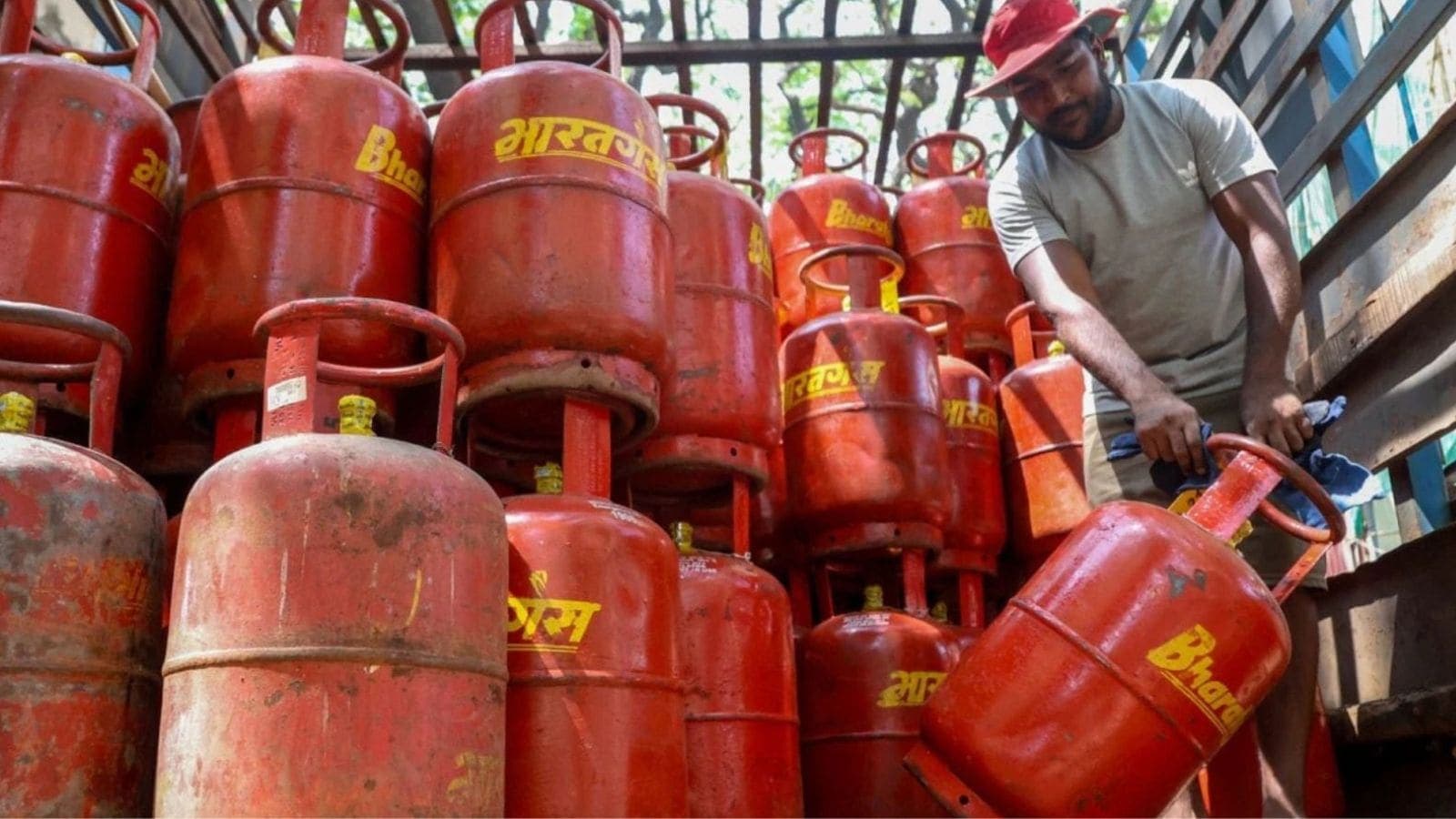
Commercial LPG prices have risen again, with increases of ₹42 in Delhi and ₹53.50 in Kolkata impacting businesses and consumers alike. Find out more.
Indian Express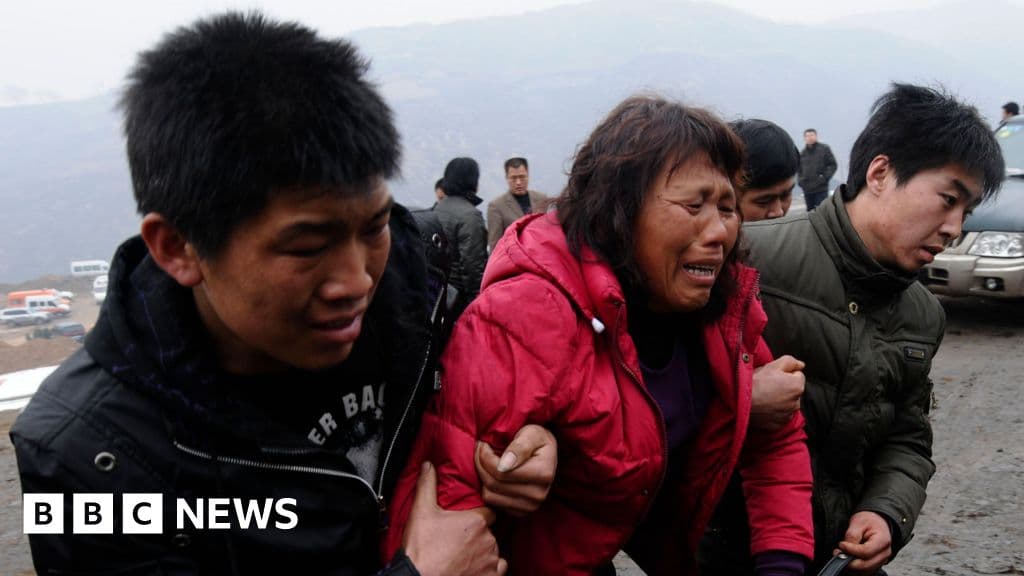
Discover how a tragic coal mine explosion in Shanxi, China, reveals ongoing safety concerns in the industry amidst a push for green energy.
BBC Business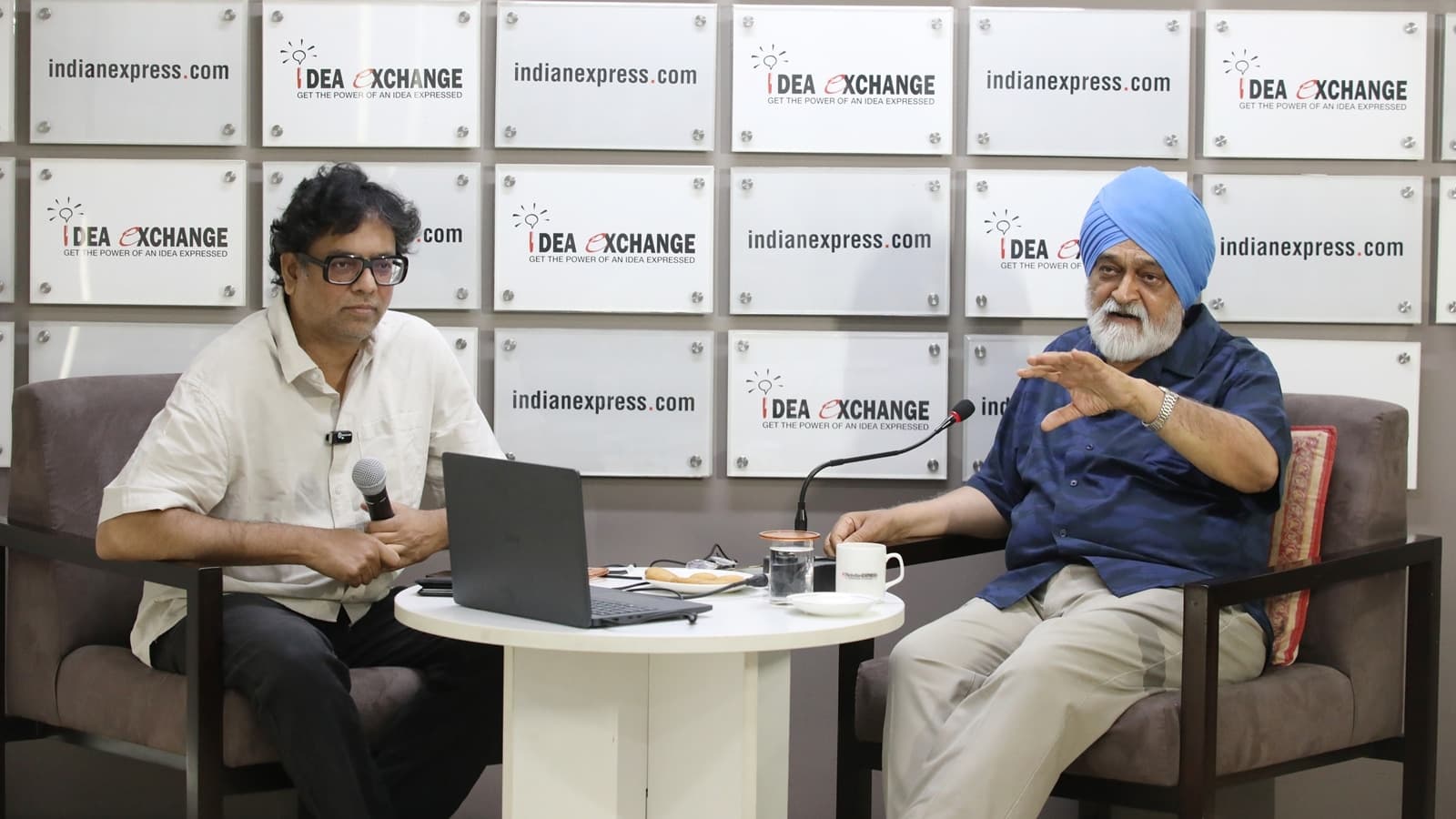
Montek Singh Ahluwalia highlights key economic challenges for India, emphasizing the need for a strategic approach to balance payments and investment.
Indian Express