

Image: Indian Express
A hantavirus outbreak linked to a cruise ship has led to three deaths. Learn about the virus, symptoms, and prevention strategies.
GlipzoA tragic outbreak of hantavirus has claimed the lives of three individuals and left another three seriously ill after a Dutch cruise ship encountered this rare viral infection. The situation unfolded over the weekend, drawing attention from health authorities and media outlets alike. This alarming incident serves as a stark reminder of the potential dangers posed by zoonotic diseases, particularly in confined spaces such as cruise ships.
Hantavirus, primarily transmitted by rodents, is typically spread through contact with contaminated droppings, urine, or saliva. The World Health Organization (WHO) emphasizes that while human-to-human transmission is exceedingly rare, it is crucial to understand how this virus can be contracted, especially in environments where rodents thrive.
The name hantavirus is derived from the Hantan River region in South Korea, where it was first identified in the 1970s. This family of viruses can lead to two serious illnesses: one primarily affecting the lungs, known as Hantavirus Pulmonary Syndrome (HPS), and the other impacting the kidneys. The respiratory variant, which often garners the most attention due to its high fatality rate of approximately 40%, is predominantly found in North and South America.
According to the Canadian government, approximately 200 cases of hantavirus pulmonary illness are reported annually worldwide, underscoring the rarity yet seriousness of this infection. Recent reports have highlighted notable cases, including that of Betsy Arakawa, a concert pianist, who tragically succumbed to HPS in New Mexico in 2025.
Initially, hantavirus infections manifest with flu-like symptoms, including fatigue and fever, which may arise from 1 to 8 weeks post-exposure. As the infection progresses, other symptoms such as coughing, shortness of breath, and fluid accumulation in the lungs can develop within 4 to 10 days. The Centers for Disease Control and Prevention (CDC) warns that diagnosing hantavirus within the first 72 hours can be particularly challenging, as early symptoms may easily be mistaken for those of the flu.
In the absence of a specific antiviral treatment, the approach to managing hantavirus infections centers on supportive care, focusing on hydration and rest. In severe cases, patients may require breathing assistance, potentially necessitating the use of a ventilator.
Experts emphasize that the risk of hantavirus exposure can be mitigated through effective rodent control. Here are some key strategies to reduce the likelihood of infection: - Eliminate food sources: Ensure that food is stored in sealed containers and that garbage is disposed of properly. - Seal entry points: Close off any holes or gaps in buildings where rodents might enter. - Avoid disturbing droppings: Do not vacuum or sweep areas with dried rodent droppings, as this can aerosolize the virus. - Maintain cleanliness: Regularly clean areas prone to rodent activity to discourage nesting.
The recent outbreak linked to the cruise ship serves as a crucial reminder of the potential for viral infections to spread in crowded and confined spaces. As cruise ships continue to be popular travel options, understanding the risks associated with zoonotic diseases is more important than ever. The ongoing threat of hantavirus highlights the need for effective public health measures and awareness campaigns aimed at preventing such outbreaks in the future.
As health authorities investigate the recent hantavirus outbreak, all eyes will be on the cruise industry and public health responses. It is essential to monitor the situation for updates regarding the health of those affected and any additional cases that may emerge. Furthermore, the cruise line industry may need to reassess and implement stricter health protocols to ensure passenger safety in light of this incident.
In conclusion, while hantavirus infections are rare, the consequences can be severe. Vigilance in rodent control and awareness of potential exposure risks are critical in preventing future outbreaks. With ongoing global travel, understanding and mitigating these risks will be paramount in safeguarding public health.
Stay informed about ongoing developments in this story and more. Click here to follow us on Instagram for the latest updates.

Shocking findings from Nottingham's maternity unit reveal a toxic culture and alarming neglect. What can be done to improve care? Discover the details.
BBC Health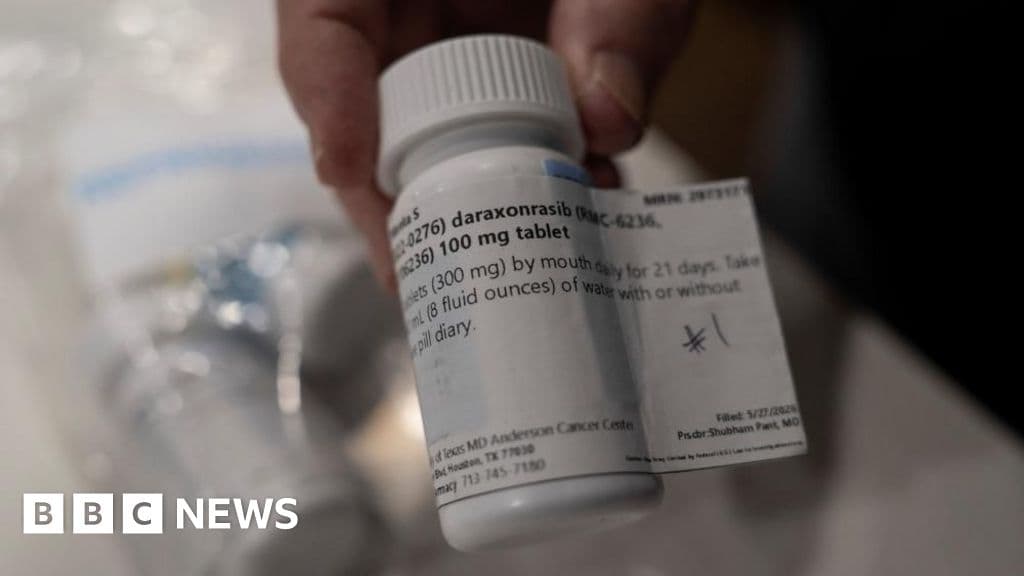
Discover how daraxonrasib, a new pill, is nearly doubling survival rates for pancreatic cancer patients, offering hope in a challenging battle against this deadly disease.
BBC Health
Waste companies propose a £5 deposit on vapes to encourage proper disposal and curb littering as the environmental impact of vapes increases.
BBC Business