
Image: BBC Business
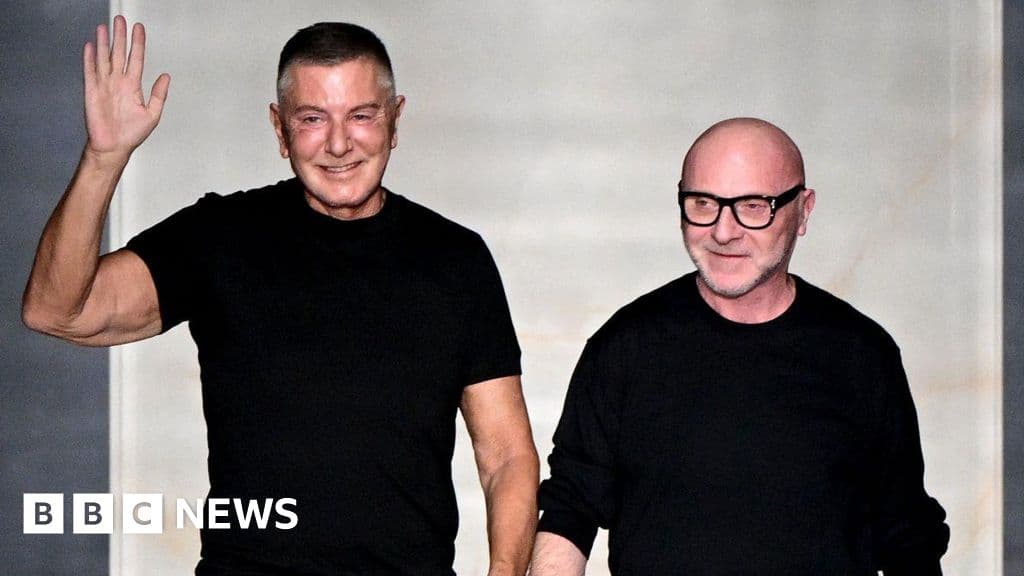
Stefano Gabbana steps down as chair of Dolce & Gabbana amid €450m debt. What does this mean for the future of the iconic luxury fashion brand?
GlipzoIn a surprising move, Stefano Gabbana, co-founder of the iconic fashion brand Dolce & Gabbana, has stepped down from his position as chair. This transition marks a significant moment for the luxury fashion house, which Gabbana co-established alongside Domenico Dolce back in 1985. The announcement comes amid increasing financial pressures, including a staggering debt burden estimated at €450 million (approximately £391 million/$528 million), which has raised concerns about the brand's future.
On January 1, Gabbana was succeeded by Alfonso Dolce, the brother of Domenico and the company’s current CEO. This leadership change follows Gabbana's notification to the company regarding his decision in December. Despite stepping down from the chair position, Gabbana retains his creative role within the firm, continuing to collaborate closely with Dolce on upcoming collections.
The luxury retail sector is currently facing a downturn, particularly with reduced spending in crucial markets such as China. This economic climate has exacerbated the financial challenges for Dolce & Gabbana. Priya Raj, a fashion expert, emphasized the severity of the situation, stating, "It's no secret that the brand is in significant debt." Raj pointed out that both Gabbana and Dolce hold substantial stakes in the privately owned brand, each owning approximately 40%.
As of March 2023, reports emerged indicating that Dolce & Gabbana had enlisted a financial adviser and initiated discussions with creditors to address its debt situation. In a recent statement, the brand remained tight-lipped about its debt negotiations, asserting, "With regard to the debt position, the group has no statement to make at this time, as negotiations with the banks are still ongoing."
Despite its current financial woes, Dolce & Gabbana has demonstrated a remarkable ability to weather controversies. Raj noted how the brand has managed to persevere through what she termed “cancel culture,” suggesting that the underlying issues relate primarily to financial management rather than the designs themselves. The luxury label faced backlash earlier this year during Milan Fashion Week, criticized for a lack of diversity in its model selection, which even prompted celebrity Bella Hadid to voice her disapproval on social media.
Raj further commented, "Even in a market obsessed with quiet luxury, their sexy Sicilian vibe has outlasted trends, and they've built a cult following for it." This enduring appeal is indicative of Dolce & Gabbana's unique brand identity, characterized by bold designs and provocative imagery.
Looking ahead, industry experts speculate that the luxury house may be considering strategic partnerships or bringing in minority investors to help stabilize its financial standing. Raj suggested that the brand likely needs external expertise to navigate its current challenges effectively. Given the rapid evolution within the luxury sector, adapting to market demands while maintaining brand integrity will be crucial for Dolce & Gabbana.
Founded in Milan, Dolce & Gabbana quickly gained traction, especially after Madonna donned their creations in the 1990s. Her collaboration with the brand during her 1993 The Girlie Show tour significantly bolstered its reputation, intertwining the label with a bold and sensual image that appealed to a wide audience. This proactive marketing strategy included accessible products like sunglasses and perfumes, making the brand a household name.
In light of Gabbana's recent departure, the fashion house emphasized that his exit is indicative of a "natural evolution of its organizational structure and governance." This statement underscores the brand's commitment to adapt in a rapidly changing market landscape.
As Dolce & Gabbana navigates through these turbulent waters, the focus will likely be on restructuring its financial commitments and enhancing its market strategy. The fashion industry is notorious for its volatility, and how the brand responds to these challenges could set the tone for its future trajectory. Will they successfully implement new partnerships or financial strategies to regain stability? Observers and fans alike are keen to see how this storied brand will evolve in the coming months.
The luxury fashion scene watches closely as Dolce & Gabbana embarks on this crucial phase, balancing its rich heritage with the pressing need for financial recalibration. As they look to the future, the question remains: can Dolce & Gabbana reclaim its footing in an increasingly competitive market?
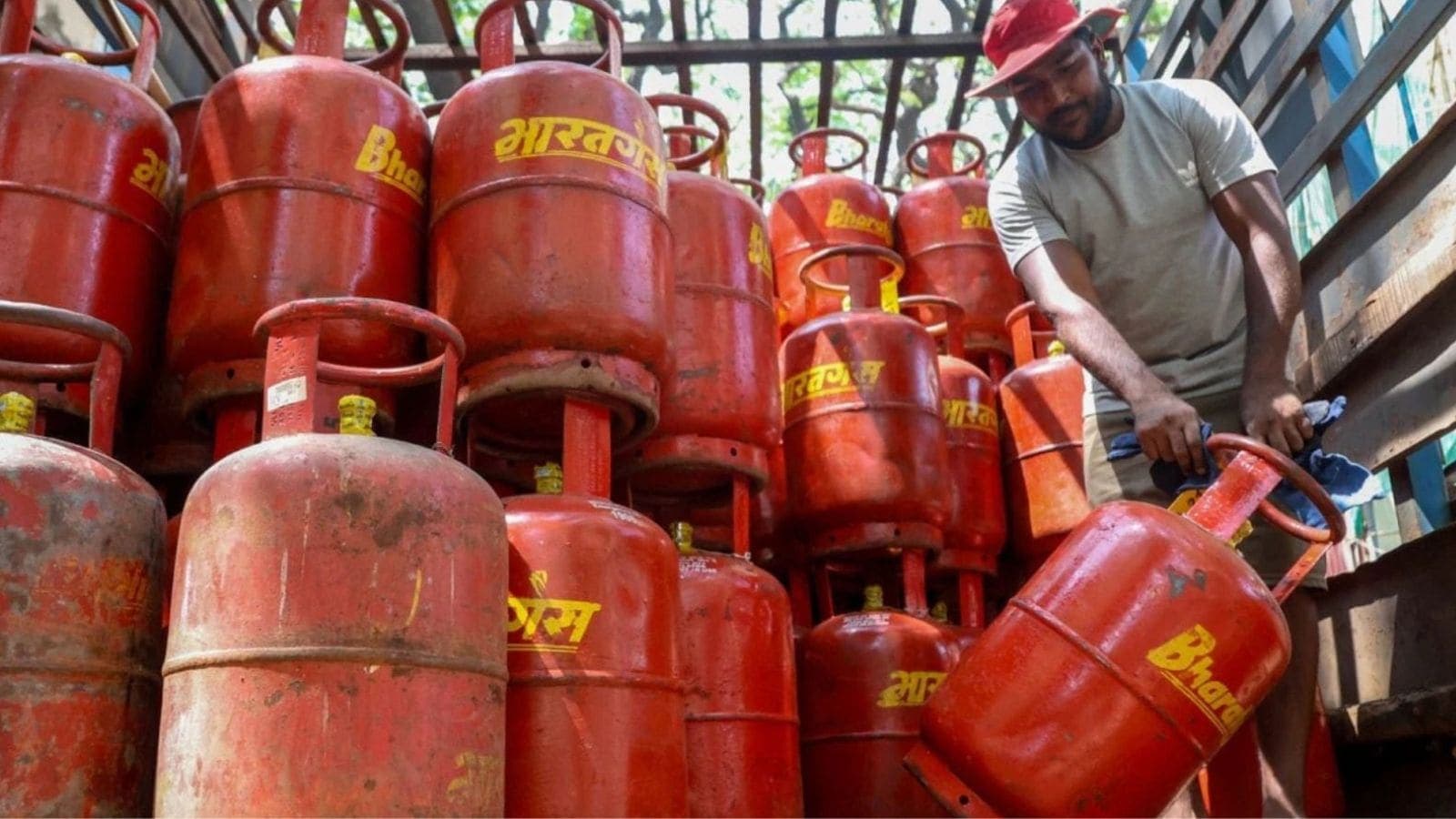
Commercial LPG prices have risen again, with increases of ₹42 in Delhi and ₹53.50 in Kolkata impacting businesses and consumers alike. Find out more.
Indian Express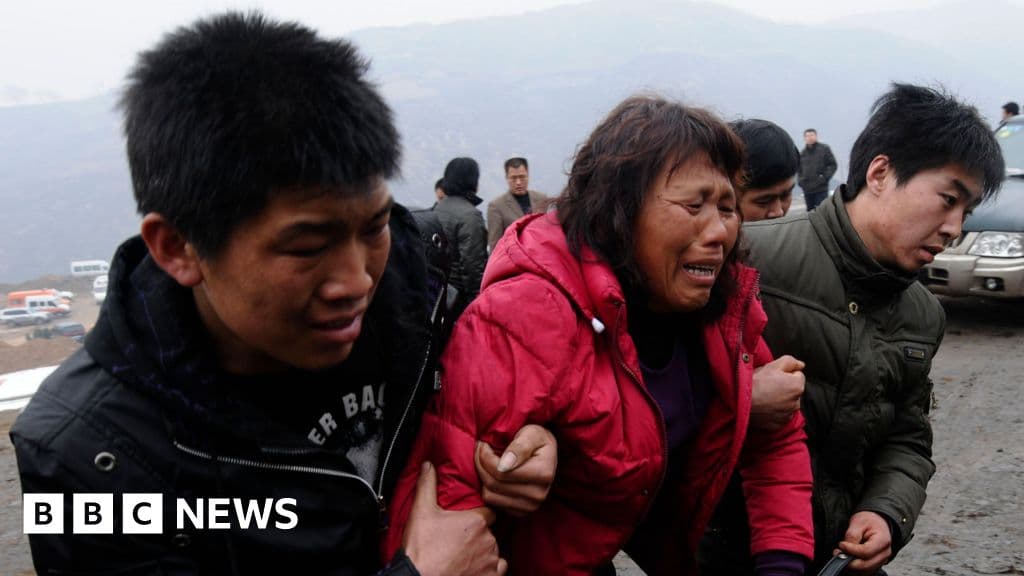
Discover how a tragic coal mine explosion in Shanxi, China, reveals ongoing safety concerns in the industry amidst a push for green energy.
BBC Business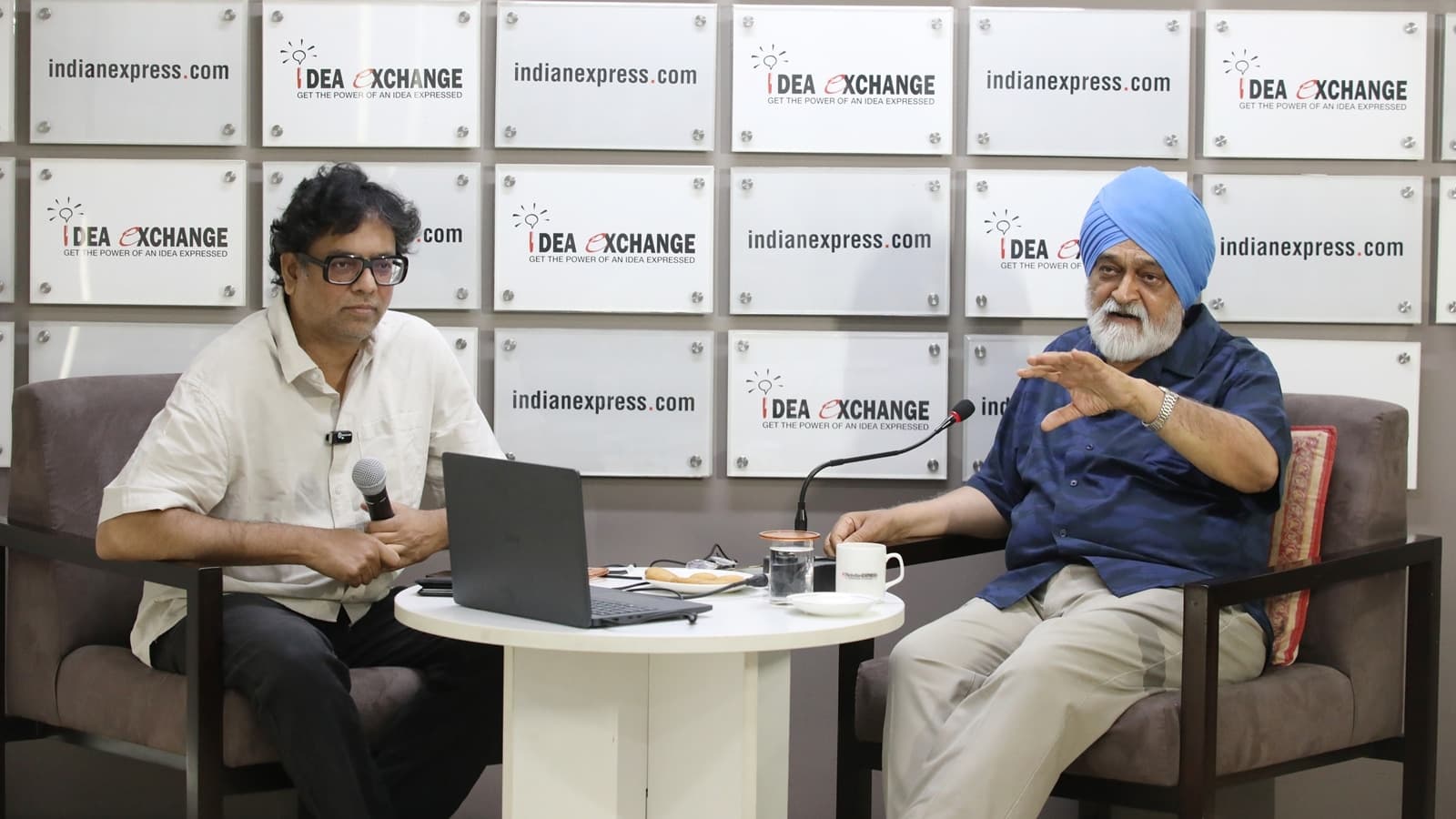
Montek Singh Ahluwalia highlights key economic challenges for India, emphasizing the need for a strategic approach to balance payments and investment.
Indian Express